Wildfire Insurance in California: Coverage Gaps and State Programs
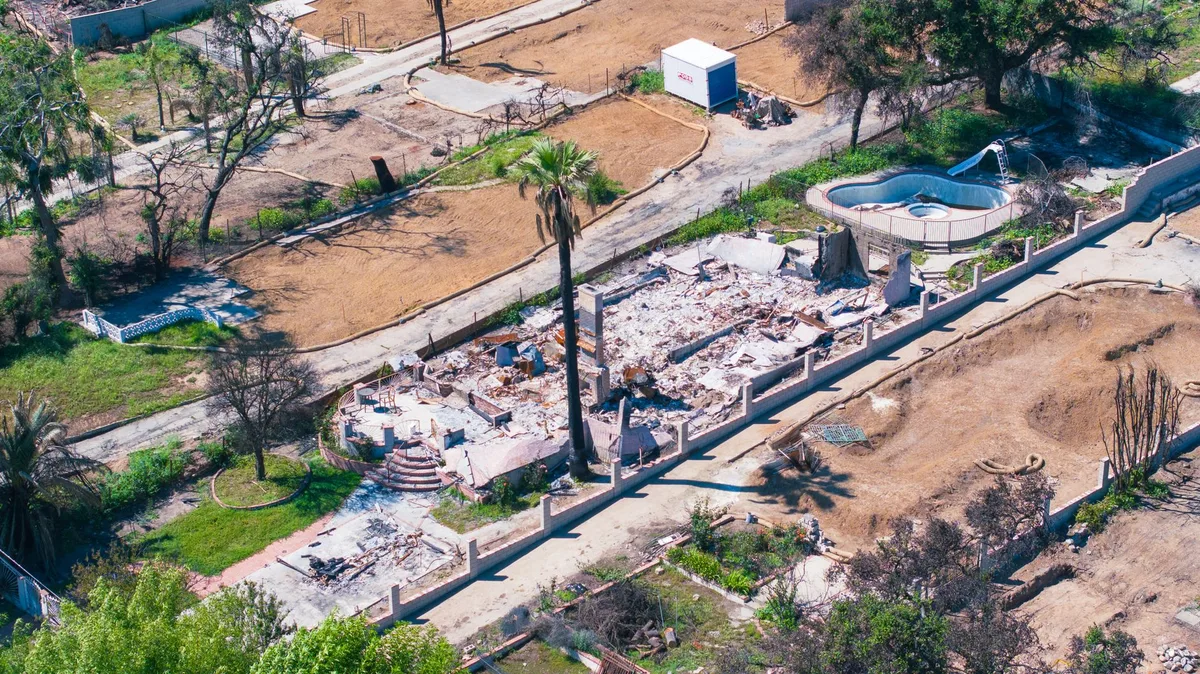
California homeowners face serious wildfire coverage gaps as insurers retreat. State programs offer limited help, but costs are rising and options are shrinking.
Pexels - Keysi Estrada · original
In this article
Standard homeowners insurance in California often excludes or severely limits wildfire damage coverage, leaving many properties underinsured or uninsurable. The state’s FAIR Plan provides last-resort coverage, but it costs more, covers less, and faces capacity constraints as major insurers pull out of high-risk areas.
California’s wildfire crisis has created an insurance crisis. Homeowners in fire-prone zones struggle to find affordable coverage as carriers non-renew policies or exit the market entirely. Understanding the gaps and knowing your options is critical if you live in or near wildfire country.
What Standard Homeowners Insurance Covers (and Doesn’t)
Most California homeowners policies are HO-3 forms that cover dwelling damage from fire, including wildfire. The problem is not the policy language but availability. According to the Insurance Information Institute, insurers have non-renewed hundreds of thousands of policies in high-risk zip codes since 2020, and many companies have stopped writing new policies statewide or in specific counties.
Even when coverage is available, premiums have doubled or tripled in fire zones. Deductibles may be higher for fire claims, and insurers often require brush clearance and home hardening measures (ember-resistant vents, non-combustible roofing) as conditions of coverage. Failure to maintain defensible space can lead to claim denials.
The Main Coverage Gaps
Three major gaps leave California homeowners exposed:
Non-renewal and market exit. Major carriers including State Farm, Allstate, and Farmers have paused new business or pulled back from fire-prone areas. Homeowners who lose coverage must scramble for alternatives, often at much higher cost.
Underinsurance. Policies that seemed adequate five years ago may no longer cover full replacement cost due to surging construction costs and inflation. Many homeowners discover the gap only after a total loss.
Limited coverage for additional living expenses (ALE). If your home burns and you need temporary housing, standard policies cap ALE at 12 to 24 months. Rebuilding after a major wildfire can take years, leaving families to cover the shortfall out of pocket.
California FAIR Plan
The California FAIR (Fair Access to Insurance Requirements) Plan is the state-mandated insurer of last resort. It provides basic fire coverage when no standard insurer will. As covered in foundational texts such as Principles of Finance, insurance markets require backstop mechanisms when private carriers retreat from high-risk exposures.
FAIR Plan policies cover dwelling and personal property against fire, but the coverage is bare-bones. Liability, theft, water damage, and many other perils are excluded. Homeowners must buy a separate policy (a “difference in conditions” or DIC policy) to fill those gaps, adding cost and complexity.
Read also: How Much Homeowners Insurance Do You Actually Need in the US
Premiums are high because the risk pool is concentrated in fire zones. According to the California Department of Insurance, the FAIR Plan had over 400,000 policies in force as of mid-2026, up from under 200,000 in 2020. That rapid growth has raised solvency concerns: a catastrophic fire season could exhaust the plan’s reserves and trigger assessments on all California insurers, which would ultimately be passed to policyholders statewide.
Coverage limits are capped. As of 2026, the maximum dwelling coverage is $3 million, which may be insufficient for high-value homes in areas like Malibu or the Oakland hills.
Other State Initiatives
California has launched several programs to ease the crisis:
Safer from Wildfires framework. The state is working with insurers to offer premium discounts to homeowners and communities that meet wildfire safety standards (defensible space, home hardening, FireWise certification). Participation is voluntary, and rollout has been slow.
Rate reform. The Department of Insurance has proposed allowing insurers to use catastrophe modeling and to pass reinsurance costs through to consumers. The goal is to stabilize the market and encourage carriers to return, but critics warn it will raise premiums further.
Mitigation grants. Some counties and the state offer cost-share grants for home hardening (replacing wood shingles, installing ember-proof vents), though funding is limited and demand far exceeds availability.
None of these programs replaces the need for comprehensive private insurance, and none guarantees coverage availability in the highest-risk zones.
What to Do Next
If you live in a California wildfire zone, review your current policy limits and confirm they cover full replacement cost. If you have been non-renewed, contact the NAIC consumer helpline or a licensed California insurance agent to explore FAIR Plan and DIC policy options. Document your home and belongings with photos and receipts, and invest in wildfire mitigation measures to lower your risk and potentially reduce premiums.
Coverage rules, premiums, and program availability change frequently in California’s volatile insurance market. Consult a licensed insurance agent familiar with wildfire coverage and verify current program details with the California Department of Insurance before making decisions. This article provides educational information only and is not personalized insurance, legal, or financial advice.
Sources
- Insurance Information Institute (accessed )
- Consumer Insurance Information (accessed )
- California Department of Insurance (accessed )
- Principles of Finance (accessed )
Related articles

Fall Home Prep and Insurance Gaps to Close Before Winter in the US
Checklist for fall home winterization and homeowners insurance review to close coverage gaps before winter damage strikes in the US.

How Much Homeowners Insurance Do You Actually Need in the US
Calculate the right homeowners insurance coverage for your US property. Learn dwelling, personal property, and liability limits you need.
Hurricane Season 2026 Insurance Review: Is Your Home Coverage Ready in the US
Review your home insurance for hurricane season 2026. Check dwelling limits, deductibles, flood coverage, and claims prep with this US homeowner checklist.
