Should Homeowners Cut Insurance Coverage in the US Before Hurricane Season?
Cutting homeowners insurance before hurricane season can create serious financial risk. Review limits, deductibles, exclusions, and flood coverage before reducing protection.
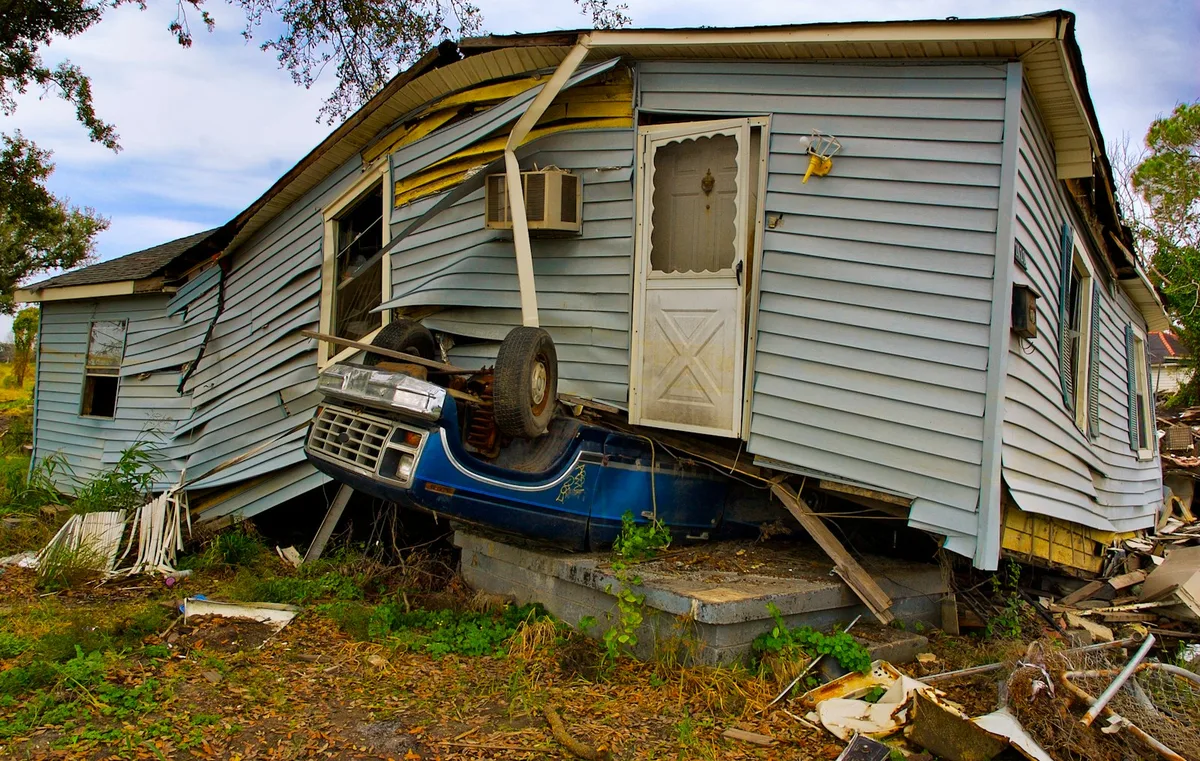
Unsplash - John Middelkoop · original
In this article
Key Takeaway: US homeowners in hurricane-prone states should be very careful about cutting coverage just as hurricane season begins. A lower premium can leave a household exposed to wind, roof, water, debris removal, and temporary living expense costs that are far larger than the savings. Review coverage limits, deductibles, exclusions, and flood protection before you reduce or drop any part of a policy.
Why Cutting Home Insurance Can Backfire During Hurricane Season
Homeowners insurance is not just a lender requirement. It is the main financial backstop for damage to the structure of your home, covered personal property, liability claims, and additional living expenses if a covered loss makes the home temporarily unlivable. According to the Insurance Information Institute, the amount of homeowners insurance you need should reflect the cost to rebuild the home, replace belongings, and protect against liability, not simply the home’s market price (III, 2026).
That distinction matters in coastal and storm-exposed states. Rebuilding costs can rise after a major hurricane because labor, materials, and contractors are in short supply. If you reduce dwelling coverage to save money, your policy limit may not be enough to rebuild after a severe wind loss. If you raise a hurricane, windstorm, or named storm deductible without understanding the math, your out-of-pocket cost could jump from manageable to expensive quickly.
What To Review Before Lowering Coverage
Start with the dwelling limit. Ask whether it is based on a current replacement cost estimate, not the tax assessment or what you paid for the home. Then review other structures, personal property, loss of use, and liability limits. If your policy uses actual cash value for roof or personal property claims, depreciation can reduce the payout compared with replacement cost coverage.
Next, check deductibles. Many coastal policies have a separate hurricane or windstorm deductible shown as a percentage of dwelling coverage. For example, as of July 2026, a 2 percent deductible on a $400,000 dwelling limit means the homeowner pays the first $8,000 of a covered wind loss. Verify current terms with a licensed agent or carrier before deciding.
Finally, look for exclusions. Standard homeowners insurance generally does not cover flood damage from storm surge or rising water. FEMA explains that NFIP flood insurance is a separate policy designed for flood losses, and homeowners should not assume a homeowners policy will cover flooding (FEMA, 2026).
Read also: Hurricane Season 2026 Insurance Review in the US: Is Your Home Coverage Ready?
Better Ways To Control Premiums
If the bill is difficult to manage, compare quotes before reducing protection. You can ask about mitigation discounts for hurricane shutters, roof upgrades, water leak devices, security systems, or stronger roof-to-wall connections where available. You can also review optional endorsements, payment plans, bundling, and deductible choices. The goal is to remove waste, not strip away the coverage most likely to matter after a storm.
NAIC consumer guidance encourages shoppers to understand policy terms and compare coverage, not just price (NAIC, 2026). That is especially important when comparing policies with different wind deductibles, roof settlement rules, or exclusions.
When Reducing Coverage Might Be Reasonable
Some changes can make sense. If you sold high-value items, paid off a detached structure, or installed upgrades that lower risk, your limits or endorsements may need updating. If your emergency fund is strong, a higher deductible can reduce premiums. But the decision should be deliberate and based on the full policy, not a rushed reaction to renewal sticker shock.
Coverage rules, required forms, and insurer availability vary by state. Confirm requirements with your state Department of Insurance and a licensed agent who can review your personal situation.
Practical Next Step
Before hurricane season risk increases, request a current replacement cost estimate, review your wind and hurricane deductible, and decide whether you need separate flood insurance. This article is general educational information, not personalized insurance, legal, or financial advice.
Sources
- How Much Homeowners Insurance Do I Need? (accessed )
- Flood Insurance (accessed )
- Consumer Insurance Information (accessed )
Related articles

How Much Homeowners Insurance Do You Actually Need in the US
Calculate the right homeowners insurance coverage for your US property. Learn dwelling, personal property, and liability limits you need.

Hurricane Season 2026 Insurance Review in the US: Is Your Home Coverage Ready?
Use this 2026 US hurricane season checklist to review homeowners, flood, wind, deductibles, and claim readiness before storms.

Florida Homeowners Insurance Rules in the US for the 2026 Hurricane Season
Florida homeowners face 2026 insurance changes on Citizens eligibility, flood coverage, premiums, and hurricane preparation.
