Florida Homeowners Insurance Rules in the US for the 2026 Hurricane Season
Florida homeowners should check Citizens eligibility, flood insurance requirements, and policy renewal notices before peak storm risk. The biggest 2026 change affects many Citizens policyholders with homes insured for $400,000 or more.

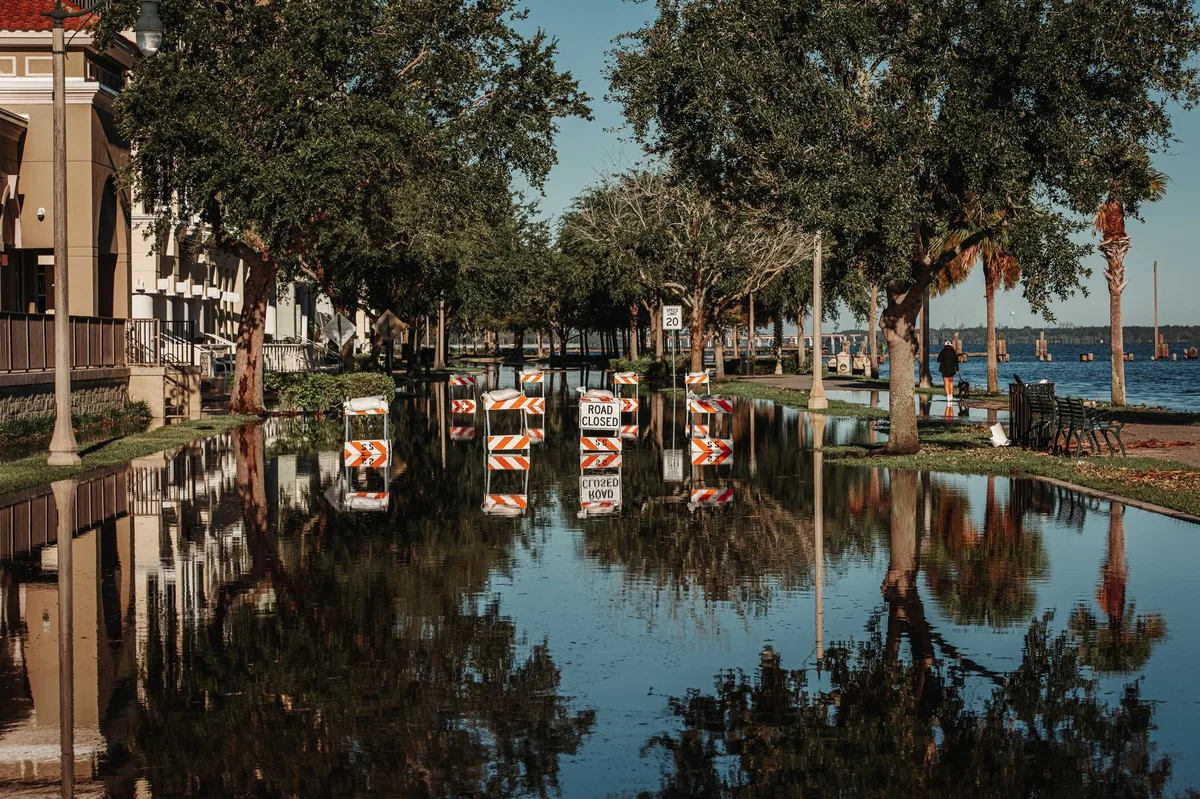
Pexels - Arian Fernandez · original
In this article
Florida homeowners should not treat the 2026 hurricane season as a routine renewal year. The key things to check are whether a Citizens policy now requires flood insurance, whether a private insurer can take over the policy, and whether the hurricane deductible and claim paperwork are clear before a storm is named. These rules do not affect every homeowner the same way, so review your own declarations page, renewal packet, and lender requirements.
What changed for 2026?
The biggest practical 2026 rule is the next phase of Citizens Property Insurance Corporation’s flood insurance requirement.
According to Citizens, most new and renewing personal residential policies with wind coverage must have flood insurance by January 1, 2027, under a phased schedule created by Florida law. For homes outside a Special Flood Hazard Area, the 2026 threshold is important: effective January 1, 2026, Citizens policies with Coverage A dwelling limits of $400,000 or more must carry flood insurance (Citizens, 2026).
Homes in a Special Flood Hazard Area that have Citizens wind coverage generally already need flood coverage. Citizens notes that condo unit owner policies, tenant contents policies, and policies that exclude windstorm or hail coverage are not part of that specific requirement (Citizens, 2026).
Why this matters before hurricane season
Standard homeowners insurance usually does not cover flood damage. The Florida Office of Insurance Regulation tells consumers that flood damage is not typically covered by a homeowners policy and must be bought separately or added by endorsement where available (Florida OIR, 2026).
That means a homeowner can have wind coverage for roof or structural damage from a hurricane, yet still have no coverage for storm surge or rising water unless a flood policy is in place. If your mortgage lender requires flood insurance, that requirement may be separate from the Citizens rule and may apply even if your home is not in Citizens.
Citizens policyholders should watch depopulation notices
Citizens is Florida’s insurer of last resort, and many policyholders may receive offers from private insurers through the depopulation program. Citizens says policies that receive a private market offer not more than 20% greater than the Citizens premium are ineligible to remain with Citizens (Citizens, 2026).
Read those packets carefully. Citizens says policyholders receive available offers, estimated renewal premiums, and coverage worksheets. If no choice is registered by the deadline, Citizens may assign the policy to the private market company with the lowest estimated premium (Citizens, 2026).
The key point is not only price. Compare deductibles, roof coverage, water damage limits, loss settlement terms, exclusions, and whether the private policy changes your ability to add flood coverage.
Read also: Will Below-Average Hurricane Forecasts Lower Florida Home Insurance Premiums in the US?
Premiums are still high, but the market is shifting
Florida remains an expensive homeowners insurance state. As of January 2026, the Florida Office of Insurance Regulation listed the average admitted market homeowners premium, including wind, at $3,791, and the average admitted market homeowners premium excluding wind at $2,412 (Florida OIR, 2026).
Those are statewide averages, not a quote for your home. Coastal exposure, roof age, construction type, claims history, deductible selection, and wind mitigation credits can make your price much higher or lower. As of June 2026, verify current terms with a licensed agent or carrier before deciding.
What Florida homeowners should do now
First, check your declarations page for Coverage A, wind coverage, hurricane deductible, roof settlement language, and water damage exclusions. If your Citizens Coverage A is $400,000 or more, ask your agent whether the January 1, 2026 flood requirement applies to you.
Second, confirm whether you have actual flood coverage. Do not assume “hurricane insurance” includes flooding. Ask whether the policy is through the National Flood Insurance Program or a private flood insurer, what the waiting period is, and whether contents are covered.
Third, review any Citizens depopulation packet before the deadline. A private carrier offer can be valid, but compare coverage as well as premium.
Finally, create or update a home inventory. Florida OIR says a room by room inventory with photos and proof of ownership can help support a detailed insurance claim after a disaster (Florida OIR, 2026).
Bottom line
For the 2026 hurricane season, Florida homeowners should focus on flood coverage, Citizens eligibility, and renewal paperwork. The most urgent check is whether the Citizens flood insurance phase now applies to your home.
This article is general educational information, not personalized insurance, legal, or financial advice. Coverage rules, minimums, eligibility, and claim outcomes vary by state, policy form, carrier, and property. Confirm requirements with the Florida Office of Insurance Regulation, your state Department of Insurance if you insure property outside Florida, and a licensed insurance agent before making coverage decisions.
Sources
- Citizens Flood Insurance Requirements (accessed )
- Citizens Personal Lines Depopulation Program (accessed )
- Florida Property Insurance Market Overview (accessed )
- Hurricane Season Resources (accessed )
Related articles

Should Homeowners Cut Insurance Coverage in the US Before Hurricane Season?
Learn why US homeowners should be cautious about cutting coverage before hurricane season and what to review first.
Can You Buy Home and Flood Insurance During Hurricane Season in the US? What to Know in Florida
Can you buy home and flood insurance during hurricane season in Florida? Learn about carrier moratoriums and the 30-day flood waiting period.

Hurricane Season 2026 Insurance Review in the US: Is Your Home Coverage Ready?
Use this 2026 US hurricane season checklist to review homeowners, flood, wind, deductibles, and claim readiness before storms.
