Can You Buy Home and Flood Insurance During Hurricane Season in the US?
Florida homeowners can buy insurance during hurricane season, but coverage availability depends on whether a named storm is approaching and the type of policy you need.
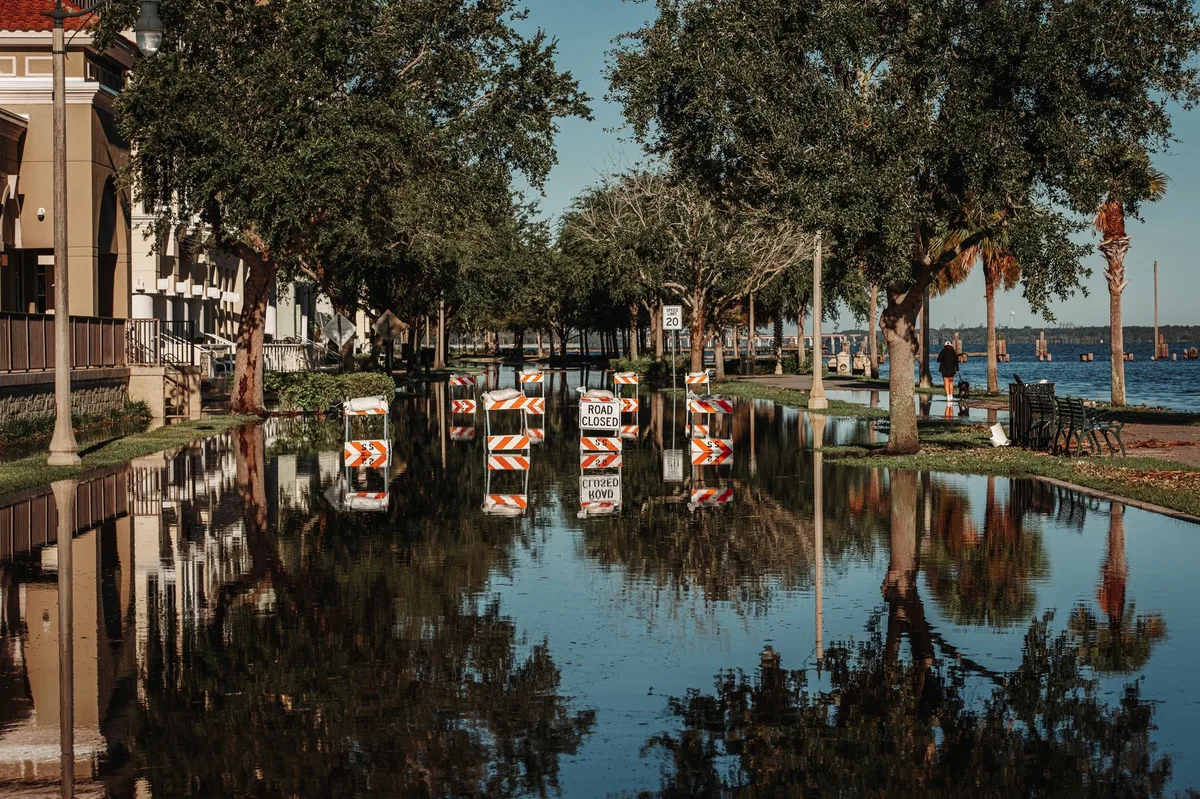
Pexels - Connor Scott McManus · original
In this article
Key Takeaway: Yes, you can typically buy both home and flood insurance in Florida during hurricane season (June 1 through November 30), but coverage may be unavailable or delayed when a named storm is actively approaching the state. Homeowners insurance carriers often impose moratoriums once a storm enters the forecast cone, and new NFIP flood policies have a mandatory 30-day waiting period before coverage begins.
Understanding Insurance Availability During Hurricane Season
Hurricane season runs from June 1 through November 30 each year in the Atlantic basin, which includes Florida. During this period, insurance carriers must balance providing coverage to homeowners with managing their own financial risk when storms threaten the coast. The result is a complex set of rules that vary by insurance type, carrier, and storm proximity.
Florida is one of the most hurricane-prone states in the country, with millions of homes located in high-risk coastal zones. This concentration of exposure has created unique challenges in the insurance market, including periodic capacity constraints and carrier withdrawals. Understanding when and how you can secure coverage during the active storm season is essential for protecting your property and meeting mortgage lender requirements.
Home Insurance During Hurricane Season
You can generally purchase homeowners insurance during hurricane season in Florida under normal conditions. Standard HO-3 policies covering dwelling, personal property, and liability remain available through most of the season. However, many carriers implement what are known as “named storm moratoriums” or “binding restrictions” when a tropical system enters a defined geographic area, typically within the National Hurricane Center forecast cone for Florida.
Once a moratorium is triggered, insurers temporarily stop issuing new policies, adding coverage, or making certain policy changes until the storm threat passes. According to the Insurance Information Institute, these moratoriums protect carriers from adverse selection (the risk that only people in immediate danger would seek coverage) and ensure the insurer can manage claims volume effectively (III, 2024).
The specific trigger points and geographic scope vary by carrier. Some insurers activate restrictions when a named storm is 72 hours from potential Florida landfall, while others use broader criteria like entry into the Gulf of Mexico or Caribbean proximity. The moratorium typically lifts 24 to 72 hours after the storm passes or the forecast cone no longer includes Florida.
If you are closing on a home purchase during an active moratorium, some lenders and title companies have established protocols to allow closings to proceed with alternate proof of future coverage, though this varies by situation. Contact your insurance agent, lender, and closing attorney well before your scheduled closing date if a storm is forecast during your purchase window.
Flood Insurance During Hurricane Season
Flood insurance operates under different rules than homeowners coverage. Most residential flood policies in the US are issued through the National Flood Insurance Program (NFIP), administered by the Federal Emergency Management Agency. According to FEMA, new NFIP policies are subject to a mandatory 30-day waiting period from the date of purchase before coverage takes effect (FEMA, 2024).
This waiting period applies year-round, not just during hurricane season. You can purchase a flood policy at any time, including when a storm is approaching, but the coverage will not become active until 30 days have elapsed. This rule prevents homeowners from buying flood insurance only after a storm is forecast and then filing a claim days later.
There are three exceptions to the 30-day waiting period: (1) the policy is required for a new mortgage closing (coverage begins at closing), (2) the policy is purchased during the initial 13-month period when new flood maps take effect for a community, or (3) the policy is a renewal of existing coverage with continuous protection.
Read also: Hurricane Season 2027: Complete Coverage Review Guide Before June 1
Private flood insurance, offered by non-NFIP carriers, may have different waiting period rules set by each insurer. Some private policies allow same-day or next-day coverage binding under specific circumstances, though many still impose waiting periods to prevent adverse selection.
What This Means for Florida Homeowners
Foundational texts such as Principles of Finance explain that insurance markets rely on spreading risk across large pools and time periods. The waiting periods and moratoriums in hurricane-prone states serve this purpose by preventing concentration of new coverage applications only when loss is imminent.
For Florida residents, the practical takeaway is clear: do not wait until a storm is forecast to secure insurance. Homeowners should maintain continuous year-round coverage for both homeowners and flood policies. If you are shopping for new coverage, moving, refinancing, or buying property, begin the insurance application process at least 45 to 60 days before you need coverage to become effective. This buffer accounts for the NFIP 30-day waiting period, processing time, inspection requirements, and potential storm-related moratoriums.
If you are in a high-risk flood zone (Special Flood Hazard Area, or SFHA) as designated on FEMA flood maps, your mortgage lender will require flood insurance as a condition of the loan. Lenders typically allow closings to proceed with proof of an NFIP application and payment, with coverage becoming effective 30 days later, but confirm this approach with your specific lender.
The National Association of Insurance Commissioners recommends that homeowners review coverage limits, deductibles, and policy endorsements well before hurricane season begins each year (NAIC, 2024). Coverage gaps discovered during a storm evacuation cannot be resolved until after the threat passes.
Conclusion
Florida homeowners can buy both home and flood insurance during hurricane season under most circumstances, but timing and storm proximity create important restrictions. Homeowners policies may become unavailable when a named storm is within the forecast cone, and NFIP flood policies require a 30-day waiting period in most cases. The most reliable strategy is maintaining continuous year-round coverage and securing any new or additional policies at least 45 to 60 days before you need protection to begin. Verify current rules, waiting periods, and moratorium triggers with a licensed Florida insurance agent for your specific situation, as carrier policies and state regulations can change.
Financial Disclaimer: This article provides general educational information about insurance availability and is not personalized insurance, financial, or legal advice. Coverage rules, carrier moratorium triggers, waiting periods, and flood zone requirements vary by insurer, location, and individual circumstances. Homeowners insurance and flood insurance policies are complex contracts with specific terms, exclusions, and conditions. Consult a licensed insurance agent in Florida and review policy documents carefully before purchasing coverage. For legal questions about closings or lender requirements, consult a real estate attorney licensed in Florida.
Sources
- Flood Insurance (accessed )
- How Much Homeowners Insurance Do I Need (accessed )
- Consumer Information (accessed )
- Principles of Finance (accessed )
Related articles

Hurricane Season 2027: Complete Coverage Review Guide Before June 1
Review your homeowners and flood insurance before hurricane season 2027 starts June 1. Step-by-step guide to ensure adequate coverage.
Is There a $1,000 Hurricane Tax for Florida Homeowners in the US?
Fact-checking claims about a $1,000 hurricane tax on Florida homeowners insurance. Learn what the proposal actually says and how it affects you.
Hurricane Coverage Myths That Can Cost US Homeowners Thousands
Hurricane season exposes dangerous homeowners insurance myths. Discover 6 common misconceptions about flood and wind coverage that could cost you thousands.
