Will Below-Average Hurricane Forecasts Lower Florida Home Insurance Premiums in the US?
Below-average 2026 hurricane predictions are unlikely to immediately reduce Florida home insurance premiums due to market conditions, prior losses, and regulatory lag.
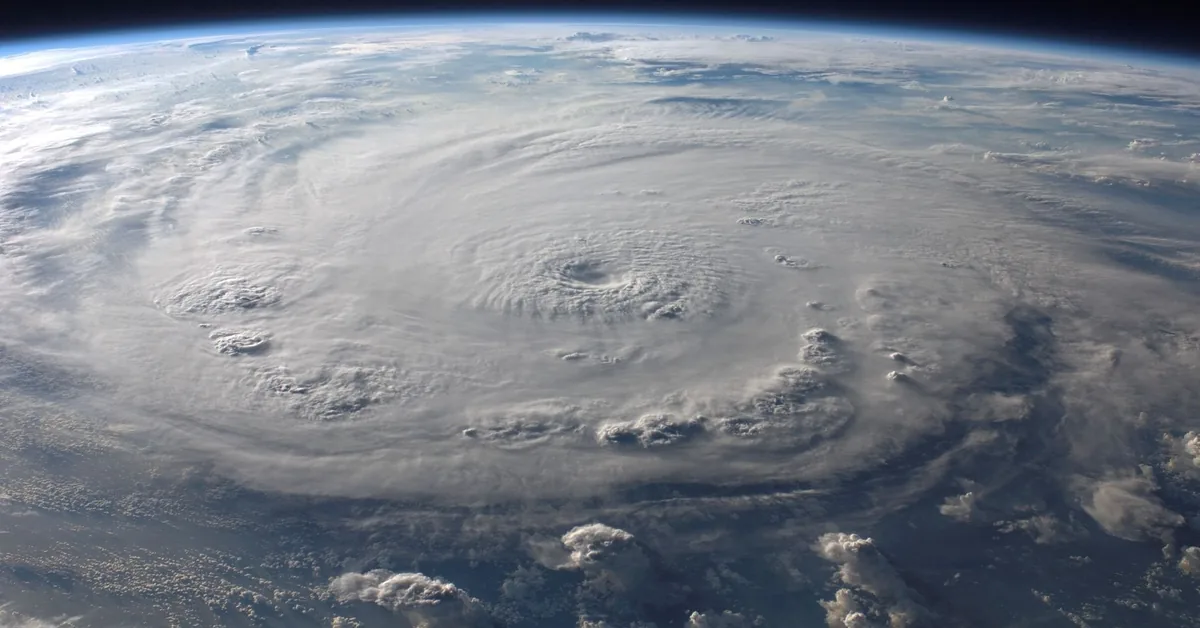
Pexels - Pixabay · original
In this article
Below-average hurricane forecasts for the 2026 season are unlikely to deliver immediate relief to Florida homeowners facing high insurance premiums. While fewer predicted storms may reduce near-term risk, insurance pricing reflects multi-year loss histories, reinsurance costs, carrier exits from the Florida market, and regulatory approval processes that lag weather forecasts by months or years. Premiums today are still shaped by the costly 2022-2024 hurricane seasons and the ongoing market instability in Florida.
Why Hurricane Forecasts Do Not Immediately Lower Premiums
Insurance carriers set homeowners premiums based on actuarial models that look backward at historical losses over multiple years, not forward at seasonal predictions. A single forecast for below-average storm activity does not erase the billions in claims paid after recent hurricanes such as Ian (2022) and Idalia (2023). According to the Insurance Information Institute, carriers use loss data from at least the prior three to five years when filing rate adjustments with state regulators (III, 2026).
Rate changes also require approval from the Florida Office of Insurance Regulation, a process that can take six months or longer. Even if a carrier wanted to lower rates based on a favorable 2026 forecast, that change would not take effect until well into the season or beyond, and only if the actual season proves calm and loss costs decline.
What Drives Florida Home Insurance Costs
Several structural factors keep Florida homeowners insurance premiums elevated regardless of seasonal forecasts:
- Reinsurance costs: Carriers buy reinsurance to cover catastrophic losses. Reinsurance pricing surged after 2022 and remains high, and those costs are passed to policyholders.
- Carrier exits and insolvencies: Multiple carriers have withdrawn from Florida or become insolvent, reducing competition and pushing more homeowners into the state-backed Citizens Property Insurance Corporation, which often charges higher rates.
- Litigation and claims costs: Florida has higher-than-average claims litigation and roof replacement costs, increasing overall loss ratios.
- Property values and rebuild costs: Inflation in construction materials and labor raises replacement cost estimates, which directly increase coverage limits and premiums.
These factors do not fluctuate with hurricane forecasts. They are long-term market conditions that require sustained low-loss years and regulatory reforms to shift.
What Could Actually Lower Your Premium
While a below-average hurricane season will not cut your bill this year, the following can help:
Read also: Florida Homeowners Drop Coverage as Hurricane Insurance Costs Rise in the US
- Shop and compare: Carriers price risk differently. Request quotes from multiple insurers and independent agents each renewal period.
- Increase your deductible: Raising your hurricane or wind/hail deductible (often expressed as a percentage of dwelling coverage) lowers your premium. Verify you can afford the higher out-of-pocket cost.
- Strengthen your home: Fortified roofs, impact-resistant windows, and storm shutters may qualify for discounts and reduce future claims.
- Bundle policies: Pairing home and auto coverage with the same carrier often unlocks a multi-policy discount.
- Review your dwelling coverage: Make sure your coverage limit matches your actual rebuild cost, not your market value or mortgage balance. Over-insuring raises premiums unnecessarily.
Confirm all changes with a licensed agent. Coverage and discount availability vary by carrier and county.
The Bottom Line
A below-average 2026 hurricane forecast is good news for Florida residents and may reduce losses if the season stays quiet, but it will not translate into lower premiums in the short term. Insurance pricing reflects years of data, reinsurance expense, and regulatory cycles. If the 2026 and 2027 seasons remain calm and carriers see sustained profitability, rate pressures could ease by late 2027 or 2028.
For now, your best strategy is to strengthen your home, compare quotes annually, and work with a licensed insurance agent to optimize your deductible and coverage structure for your personal situation. Verify current rates and policy terms directly with carriers or agents licensed in Florida before making decisions.
Disclaimer: This article provides general educational information about homeowners insurance and market conditions in Florida. It is not personalized insurance, financial, or legal advice. Coverage requirements, premium factors, and discount eligibility vary by carrier, location, and individual circumstances. Consult a licensed insurance agent in Florida and review policy documents for your specific situation. Information is current as of June 2026; verify all terms and rates before purchasing or renewing coverage.
Sources
- Insurance Information Institute - Homeowners Insurance (accessed )
- NAIC Consumer Information (accessed )
- How Much Homeowners Insurance Do I Need (accessed )
Related articles
Florida Homeowners Drop Coverage as Hurricane Insurance Costs Rise in the US
Florida homeowners are dropping hurricane coverage as premiums surge. Learn why costs are rising and what options remain for protecting your home.
Louisiana Homeowners Face Insurance Crisis as 2026 Hurricane Season Begins in the US
Louisiana homeowners struggle to find affordable insurance as the 2026 hurricane season begins. Learn about the ongoing market crisis and your options.

Fall Home Prep and Insurance Gaps to Close Before Winter in the US
Checklist for fall home winterization and homeowners insurance review to close coverage gaps before winter damage strikes in the US.
