Florida Homeowners Drop Coverage as Hurricane Insurance Costs Rise in the US
Rising hurricane insurance premiums and reduced coverage options are forcing thousands of Florida homeowners to drop or reduce their policies, leaving properties underinsured as climate risk intensifies.
Pexels - K · original
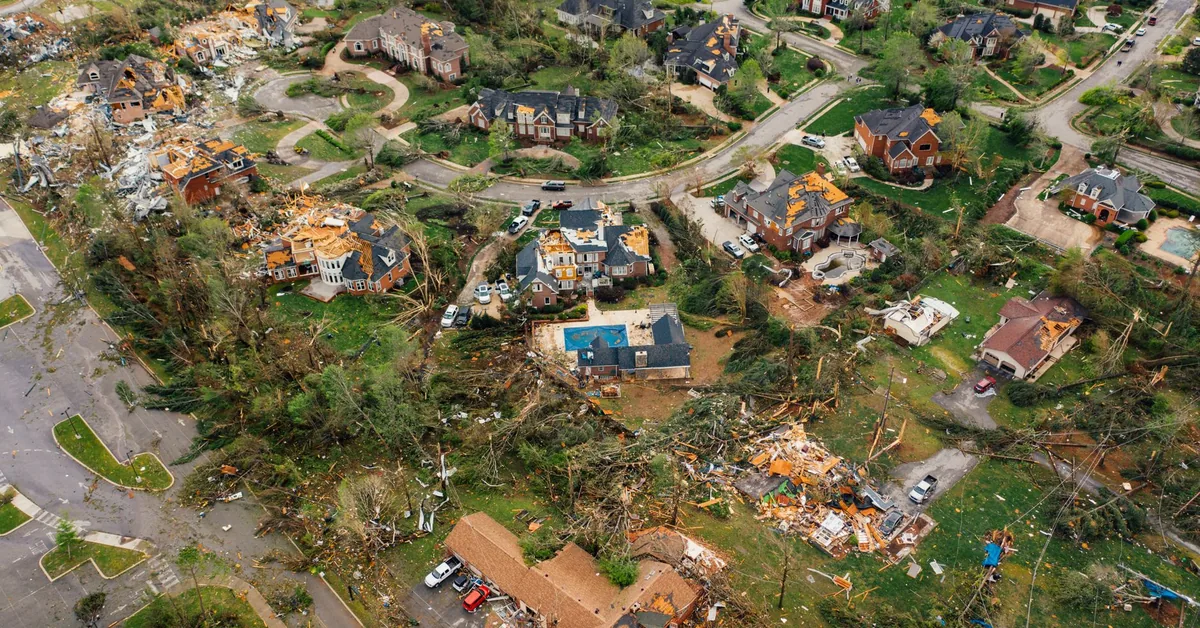
Thousands of Florida homeowners are reducing or eliminating their hurricane insurance coverage as premiums climb to unsustainable levels. Many properties now sit underinsured or entirely unprotected against hurricane damage, a trend driven by insurers leaving the state, rising claims costs from recent storms, and stricter underwriting. For homeowners with mortgages, dropping coverage entirely violates lender requirements, but those who own their homes outright face a difficult choice between paying premiums that can exceed $10,000 annually or going bare.
Why Hurricane Insurance Costs Are Surging in Florida
Florida’s homeowners insurance market is in crisis. Multiple major insurers have exited the state since 2022, citing catastrophic hurricane losses, litigation costs, and reinsurance expenses. According to the Insurance Information Institute, Florida accounts for a disproportionate share of US homeowners insurance claims despite representing a small fraction of the national housing stock.
The insurers that remain have raised premiums sharply, often 30 to 50 percent or more in a single renewal cycle. Coastal properties and older homes face the steepest increases. Deductibles for hurricane damage, typically a separate percentage-based deductible (often 2 to 10 percent of the dwelling coverage limit), add thousands of dollars in out-of-pocket exposure before coverage begins.
Reinsurance (the insurance that insurers buy to protect themselves) has become significantly more expensive after major hurricane seasons. Those costs pass directly to policyholders. At the same time, Florida’s state-backed insurer of last resort, Citizens Property Insurance Corporation, has grown rapidly as private carriers withdraw, but it too has raised rates and tightened eligibility.
The Impact on Homeowners and the Housing Market
Homeowners who can no longer afford coverage face serious financial risk. A single hurricane can cause damage ranging from roof destruction and water intrusion to total loss, with repair costs easily reaching six figures. Without insurance, these costs fall entirely on the property owner.
For buyers, high insurance premiums directly affect affordability. Mortgage lenders require proof of adequate homeowners insurance, and monthly escrow payments now reflect the elevated premiums. Some buyers are walking away from Florida real estate transactions when they receive insurance quotes that make monthly housing costs unaffordable.
Read also: How Deductibles Affect Your Home Insurance Premium: A Complete Guide
The National Association of Insurance Commissioners notes that homeowners who drop coverage or select insufficient limits expose themselves to catastrophic financial loss, and in many cases, violate their mortgage agreement, which can trigger lender-placed insurance at even higher cost.
What Homeowners Can Do
If you own a Florida home and face rising premiums, consider these options:
- Shop aggressively. Rates vary significantly between carriers. Work with an independent insurance agent who can compare multiple insurers, including regional and specialty carriers.
- Increase your deductible. Raising your hurricane deductible lowers your premium, though it increases your out-of-pocket cost in a claim.
- Strengthen your home. Fortified roofs, impact-resistant windows, and hurricane shutters can qualify you for premium discounts and make your home more insurable.
- Separate wind coverage. Some homeowners buy a base policy excluding wind and add separate wind-only coverage through Citizens or the Florida Hurricane Catastrophe Fund.
- Verify you meet lender requirements. If you have a mortgage, confirm any changes to your coverage comply with your loan agreement to avoid forced-place insurance.
Always confirm current rates, coverage terms, and eligibility with a licensed Florida insurance agent and your lender before making changes. Coverage rules, premium rates, and insurer availability shift frequently in Florida’s volatile market.
Educational purpose only. This article provides general information about Florida homeowners insurance trends and is not personalized insurance, financial, or legal advice. Insurance costs, coverage availability, and state programs change frequently. Consult a licensed insurance agent in Florida and review your mortgage agreement before reducing or changing your homeowners insurance coverage.
Sources
- How Much Homeowners Insurance Do I Need (accessed )
- Consumer Insurance Information (accessed )
- Consumer Tools and Resources (accessed )
Related articles
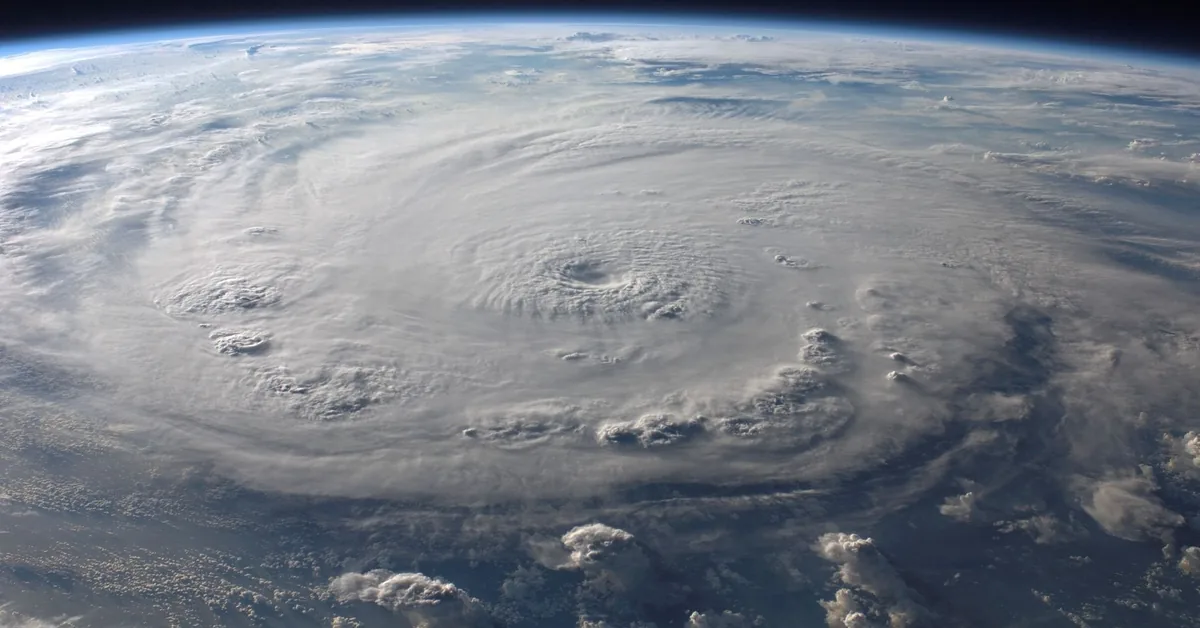
Will Below-Average Hurricane Forecasts Lower Florida Home Insurance Premiums in the US?
Below-average 2026 hurricane forecasts won't immediately cut Florida home insurance rates. Learn why premiums lag storm predictions and what drives costs.
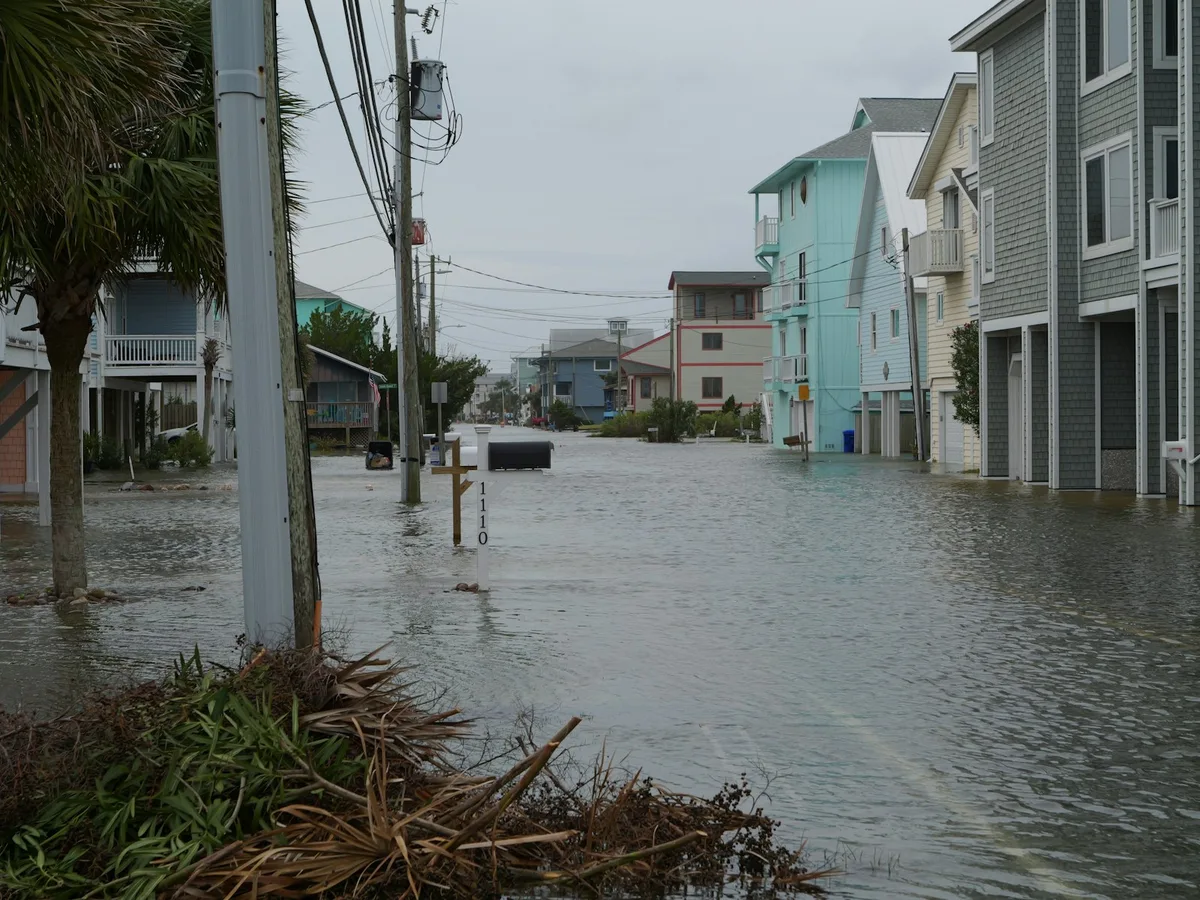
Hurricane Season 2026 Insurance Review: Is Your Home Coverage Ready in the US
Review your home insurance for hurricane season 2026. Check dwelling limits, deductibles, flood coverage, and claims prep with this US homeowner checklist.
Louisiana Homeowners Face Insurance Crisis as 2026 Hurricane Season Begins in the US
Louisiana homeowners struggle to find affordable insurance as the 2026 hurricane season begins. Learn about the ongoing market crisis and your options.
