Extreme Cold Weather and Home Insurance: What's Covered in Canada
Extreme cold can damage your home in ways you might not expect. Understanding what your home insurance policy covers during harsh Canadian winters helps you protect your property and avoid costly surprises.
Pexels - Pavel Danilyuk · original
In this article
Key Takeaway
Standard home insurance in Canada typically covers sudden and accidental damage from extreme cold, such as burst frozen pipes, but excludes damage from lack of maintenance or vacancy. Coverage depends on whether you maintained heat, took reasonable precautions, and notified your insurer if the home was unoccupied. Ice dams, roof collapses from snow load, and frozen appliances may be covered under specific conditions, but exclusions apply when the damage results from neglect or failure to winterize an empty property.
Introduction
Canadian winters bring more than snow and ice. Extreme cold can crack pipes, create ice dams, collapse roofs under heavy snow, and freeze heating systems, causing thousands of dollars in property damage. Home insurance policies cover many cold weather perils, but coverage comes with conditions and exclusions that homeowners must understand before winter arrives.
Knowing what your policy covers during extreme cold helps you take the right precautions, maintain your coverage, and avoid disputes when you file a claim. This guide explains how home insurance in Canada responds to extreme cold weather damage, what’s typically covered, what’s excluded, and how to protect both your home and your claim.
What Extreme Cold Weather Damage Looks Like
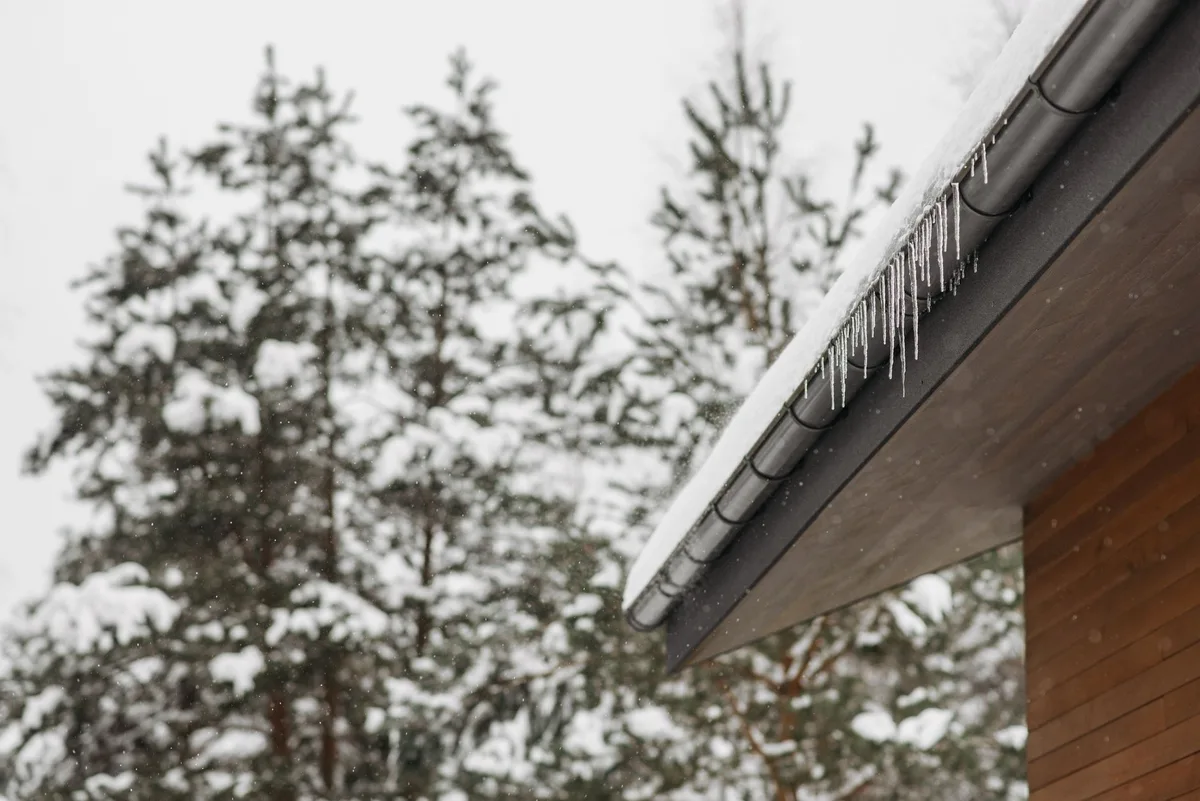
Extreme cold creates several distinct types of property damage. Frozen water pipes can burst when ice expands inside the pipe, flooding your home with hundreds or thousands of litres of water once the ice thaws. Ice dams form when snow melts on a warm roof, refreezes at the eaves, and forces water back under shingles, damaging ceilings, walls, and insulation.
Heavy snow accumulation can overload roof structures, causing sagging, cracking, or complete collapse in severe cases. Heating systems can freeze and crack if they lose power or fuel during extreme cold, and outdoor faucets, sprinkler systems, and sump pumps can freeze and break if not properly winterized.
What’s Typically Covered Under Standard Home Insurance
According to the Insurance Bureau of Canada, standard home insurance policies in Canada cover sudden and accidental damage from specific cold weather perils when you’ve taken reasonable precautions.
Frozen and burst pipes are covered when the damage occurs suddenly while you’re living in the home and maintaining adequate heat. If a pipe freezes overnight during an extreme cold snap and bursts, flooding your basement, your policy’s water damage coverage typically responds. The insurer pays for water damage to your dwelling, personal property, and the cost to repair or replace the damaged pipe, minus your deductible.
Ice dam damage may be covered under your dwelling coverage when ice dams cause water to enter your home and damage the interior. Coverage applies to the resulting water damage to ceilings, walls, flooring, and belongings, though the policy may not pay to remove the ice dam itself or repair exterior damage that allowed water entry due to normal wear.
Snow and ice weight damage is covered when heavy snow or ice accumulation causes sudden structural damage to your roof, deck, or detached structures. If your garage roof collapses under two metres of wet snow, your dwelling coverage pays to rebuild the structure.
Heating system failures are covered when the system freezes and cracks due to a sudden event beyond your control, such as a power outage during extreme cold, provided you took reasonable steps to protect the system.
As covered in foundational insurance texts such as Introduction to Business, property insurance operates on the principle of indemnifying sudden, accidental losses while excluding damage from predictable neglect or lack of maintenance.
What’s Typically Excluded from Coverage
Home insurance policies contain specific exclusions that eliminate coverage for cold weather damage when the homeowner failed to maintain the property or take reasonable precautions.
Vacant or unoccupied home exclusions are the most common reason for denied cold weather claims. If you leave your home unoccupied for more than a specified period (often 30 to 60 consecutive days, depending on the insurer and province), coverage for water damage, freezing, and vandalism may be suspended unless you notify your insurer, pay an additional premium, and meet specific conditions such as having someone check the property every few days and maintaining heat above a minimum temperature (often 13°C or 55°F).
Read also: Home Insurance Basics: Dwelling, Contents and Liability Coverage in Canada
Lack of reasonable care exclusions deny coverage when you failed to maintain adequate heat, winterize plumbing, or take precautions a reasonable homeowner would take. If you turned off the heat while away for a week in January and pipes froze, the insurer can deny the claim on the grounds that you didn’t exercise reasonable care.
Gradual damage and wear exclusions eliminate coverage for slow leaks, condensation damage, or deterioration that occurred over time rather than suddenly. If an ice dam forms because your roof is old and poorly ventilated, the insurer may deny coverage for the underlying roof condition, covering only the sudden interior water damage.
Exterior damage and cosmetic harm may not be covered. Insurers often exclude damage to exterior components such as eavestroughs, soffits, and shingles from ice and snow unless the damage is severe enough to allow water into the dwelling.
Provincial Variations and Specific Conditions
Insurance is regulated provincially in Canada, and specific coverage terms, exclusions, and vacancy rules vary by province and by insurer. In Ontario, the Financial Services Regulatory Authority of Ontario (FSRA) oversees insurers, while in British Columbia, the British Columbia Financial Services Authority (BCFSA) regulates coverage. Homeowners should confirm the exact terms, vacancy limits, and notification requirements with their insurer and review their policy wording for their province.
Some insurers offer optional endorsements or riders that extend coverage during vacancy, reduce or eliminate the vacancy exclusion period, or cover additional cold weather perils. These endorsements come with higher premiums but provide peace of mind for snowbirds, cottage owners, and anyone who travels frequently in winter.
How to Maintain Coverage and Prevent Damage
Maintaining your home insurance coverage during extreme cold requires both physical precautions and policy compliance. Keep your home heated to at least 13°C (55°F) when you’re away, even for short periods. Insulate pipes in unheated areas such as crawl spaces, attics, and exterior walls. Drain and shut off outdoor faucets and sprinkler systems before winter.
If you plan to leave your home unoccupied for more than the period specified in your policy (often 30 days), notify your insurer before you leave, ask about vacancy coverage options, and arrange for someone to check the property regularly. Document your winterization steps with photos and receipts in case you need to prove reasonable care during a claim.
Clear snow from your roof when accumulation exceeds safe limits (consult a professional if unsure), and remove ice dams promptly to prevent water intrusion. Maintain your heating system with annual inspections, and consider a backup power source or low-temperature alarm system that alerts you to heating failures.
Conclusion
Extreme cold weather can damage your home in covered and excluded ways, depending on how the damage occurred and what precautions you took. Standard home insurance in Canada covers sudden, accidental cold weather damage such as burst pipes, ice dam water intrusion, and snow load collapses when you maintain heat, take reasonable care, and comply with vacancy rules. Coverage is excluded when damage results from neglect, lack of maintenance, or failure to winterize an unoccupied home.
Before winter arrives, review your policy wording for vacancy limits, required precautions, and specific exclusions. Confirm coverage terms with a licensed insurance broker in your province, winterize your property, and notify your insurer if you’ll be away for extended periods. Taking these steps protects both your home and your claim when extreme cold strikes.
Disclaimer: This article provides general information about home insurance coverage for extreme cold weather damage in Canada. It is not insurance advice, and coverage, exclusions, terms, and vacancy rules vary by province, insurer, and individual policy. Homeowners should read their policy wording carefully, confirm specific coverage and exclusions with a licensed insurance broker or agent in their province, and consult their provincial insurance regulator for guidance on their rights and obligations. Insurance products and coverage availability vary by location and insurer. Always verify current terms before relying on coverage.
Sources
- Home Insurance (accessed )
- Insurance (accessed )
- Introduction to Business (accessed )
Related articles
Winter Home Damage in Canada: What Your Policy Covers and What It Does Not
Learn which winter home damage is covered by insurance in Canada and what you'll pay for yourself. Ice dams, frozen pipes, roof collapse and more.

Home Insurance Basics: Dwelling, Contents and Liability Coverage in Canada
Compare dwelling, contents and liability coverage in Canadian home insurance. Understand what each protects, how they differ, and which you need.
Mortgage Renewals and Insurance Costs in Canada: 2026 Homeowner Outlook
Learn how mortgage renewals and rising insurance costs will affect Canadian homeowners in 2026, with provincial variations and planning strategies.
