Mortgage Renewals and Insurance Costs in Canada: 2026 Homeowner Outlook
Canadian homeowners face a double squeeze in 2026 as mortgage renewals coincide with rising home insurance premiums, creating new affordability pressures across provinces.

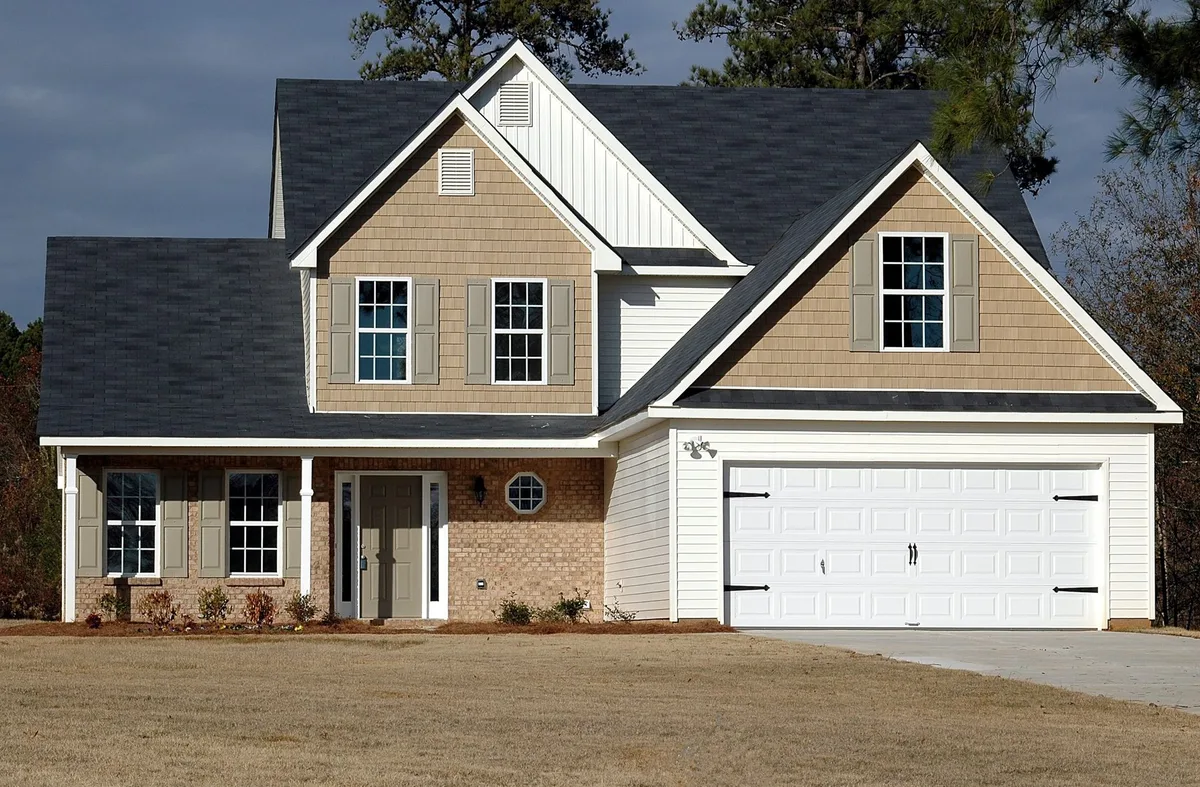
Pexels - Max Vakhtbovych · original
In this article
Key Takeaway
Canadian homeowners renewing mortgages in 2026 face a convergence of financial pressures: higher mortgage rates than their previous terms combined with home insurance premiums that have climbed sharply due to severe weather losses and increased reconstruction costs. This dual squeeze particularly affects those who locked in historically low rates during 2020-2021, as renewal rates may be 200 to 300 basis points higher while insurance premiums have risen 15% to 30% in many provinces since their last policy anniversary.
Understanding the 2026 Homeowner Squeeze
The financial landscape for Canadian homeowners is shifting as two major cost pressures converge in 2026. Mortgage renewals and home insurance premium increases are hitting households simultaneously, creating affordability challenges that vary significantly across provinces and property types.
For many homeowners, the mortgage renewal arriving in 2026 marks the end of a five-year term secured when the Bank of Canada’s policy rate was near historic lows. At the same time, home insurance costs have accelerated beyond general inflation, driven by climate-related claims, supply chain disruptions affecting reconstruction costs, and regional risk recalibration by insurers.
The Mortgage Renewal Reality
A mortgage renewal occurs at the end of your term (commonly five years in Canada), when you renegotiate the interest rate and conditions for the remaining amortization period. Unlike refinancing, a standard renewal does not require a new affordability stress test, but the rate you receive reflects current market conditions, not the rate you locked in years earlier.
Homeowners who secured mortgage rates between 1.5% and 2.5% in 2020 and 2021 are now renewing into an environment where five-year fixed rates have ranged from 4.5% to 6.0% over the past 18 months, as of October 2026. For a C$400,000 mortgage with 20 years remaining on amortization, an increase from 2.0% to 5.0% raises the monthly payment by approximately C$800 to C$900, depending on the exact term and conditions (verify current terms with a licensed mortgage broker before deciding).
As covered in Principles of Finance, interest rate changes directly affect the present value of debt obligations and household cash flow, making renewal periods critical financial planning moments for homeowners.
Home Insurance Premium Pressures
Home insurance premiums have climbed across most Canadian provinces, though the magnitude and drivers vary regionally. According to the Insurance Bureau of Canada, the property and casualty insurance sector has faced elevated claims from severe weather events, including wildfires in Western Canada, major storms in Atlantic provinces, and flooding across multiple regions (IBC, 2026).
Reconstruction costs have also risen faster than general inflation. Labour shortages in the construction sector, increased material costs for lumber and building supplies, and stricter building codes in high-risk zones all contribute to higher insured values and, consequently, higher premiums. Homeowners renewing policies in 2026 commonly see premium increases of 10% to 25% compared to their prior year, with higher increases in provinces experiencing significant catastrophic loss activity (as of October 2026; verify current terms with a licensed insurance broker or the insurer before deciding).
Provincial regulatory environments also shape premium trends. In provinces with private insurance markets such as Ontario and Alberta, insurers adjust rates based on risk and claims experience, subject to regulatory approval. The Financial Services Regulatory Authority of Ontario (FSRA), for example, reviews rate filings to ensure they are justified by actuarial data, but approvals still result in upward premium movement when loss trends support it.
The Combined Impact on Household Budgets
The convergence of mortgage payment increases and insurance premium hikes creates a compounding effect on monthly housing costs. A homeowner facing an additional C$850 per month in mortgage payments plus C$100 to C$150 more per month in home insurance (annualized premium increase divided by 12) sees total housing cost growth of roughly C$1,000 monthly, a significant strain on household budgets already stretched by broader inflation in groceries, utilities, and transportation.
Read also: Where Home Insurance Premiums Are Hitting Hardest Across Canada
This pressure is most acute for households with high loan-to-value ratios or those who stretched affordability limits when they originally purchased. Homeowners who qualified at lower rates may find their debt servicing ratios now exceed comfortable thresholds, even though standard renewals do not require requalification under the mortgage stress test.
What Homeowners Can Do
Homeowners approaching renewal in 2026 should take proactive steps to manage both cost pressures. For mortgages, shop around early (90 to 120 days before renewal) rather than automatically accepting your current lender’s renewal offer. Different lenders compete for renewal business, and rates can vary. Consider whether a variable rate or shorter fixed term might offer advantages depending on your risk tolerance and rate outlook, and consult a licensed mortgage broker for a comparison tailored to your situation.
On the insurance side, review your policy annually and confirm your coverage matches current needs. Increasing your deductible can lower your premium, though it shifts more risk to you in the event of a claim. Bundling home and auto insurance with one insurer often unlocks multi-policy discounts. Ask your broker about discounts for home security systems, fire alarms, or claims-free history. If your premium has increased sharply, obtain quotes from at least two other insurers to confirm you are getting competitive pricing for your risk profile and coverage (verify current terms with a licensed broker in your province for your personal situation).
According to the Financial Consumer Agency of Canada, homeowners should also revisit their overall financial plan when facing higher housing costs, including reviewing emergency savings, discretionary spending, and debt repayment priorities (FCAC, 2026).
Conclusion
The dual pressures of mortgage renewals and rising home insurance costs in 2026 represent a meaningful affordability test for Canadian homeowners, particularly those renewing out of historically low-rate terms. The impact varies by province, property type, and individual financial circumstances, but the pattern is widespread: monthly housing costs are rising faster than incomes for many households.
Proactive planning, shopping around for both mortgage and insurance rates, and adjusting coverage where appropriate can help manage the squeeze. Homeowners should begin this process well ahead of renewal dates, confirm current figures with licensed professionals, and keep provincial regulatory contacts (such as FSRA in Ontario or the Alberta Insurance Council) on hand for questions or disputes about rate changes.
Financial Disclaimer: This article provides general information only and is not financial, insurance, or legal advice. Insurance products, coverage, premiums, and exclusions vary by province, territory, and insurer. Mortgage rates, terms, and qualification requirements also vary and change frequently. Confirm current details with a licensed insurance broker or agent and a licensed mortgage broker for your personal situation. Consult your provincial insurance regulator (such as FSRA in Ontario, the AMF in Quebec, or the relevant authority in your province) for regulatory questions, and speak with a financial advisor or tax professional for personalized financial planning.
Sources
- Home Insurance Information (accessed )
- Insurance for Consumers (accessed )
- Principles of Finance (accessed )
- Financial Consumer Agency of Canada (accessed )
Related articles

Where Home Insurance Premiums Are Hitting Hardest Across Canada
Discover which Canadian provinces face the highest home insurance premiums and why climate risk, property values, and natural disasters drive regional cost differences.
Home Insurance Premiums Are Rising in Canada: What Are You Getting in Return?
Home insurance premiums are up across Canada. Learn what coverage you're actually getting, why costs are rising, and how to maximize value.

Understanding Ontario Home Insurance Premium Increases in Canada
Ontario home insurance premiums climbed 6.2% in 2026. Learn how insurers map property risks and what's driving costs across the province.
