Where Home Insurance Premiums Are Hitting Hardest Across Canada
Home insurance costs vary dramatically across Canada, with some provinces facing premiums two to three times higher than others due to natural disaster risk, property values, and regional climate patterns.
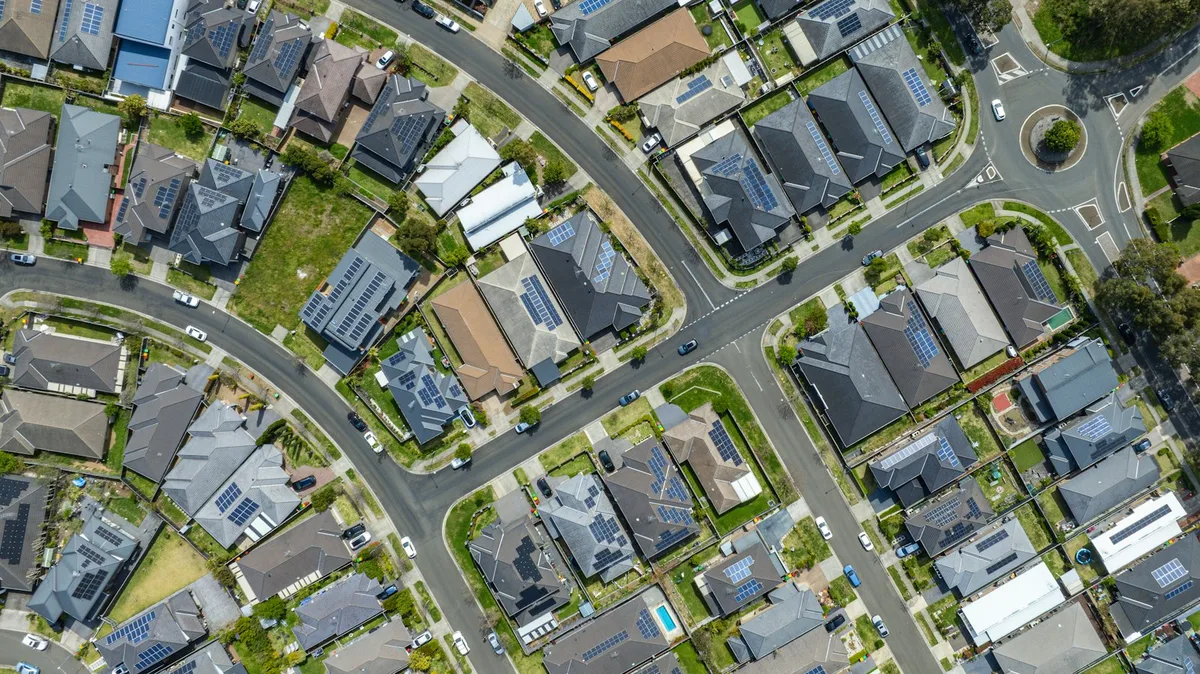
Unsplash - Shanjir H Photo4life AU · original
In this article
Home insurance premiums in Canada can vary by hundreds or even thousands of dollars annually depending on where you live. British Columbia, Alberta, and Atlantic Canada typically face the steepest costs, driven by earthquake risk, severe hail events, and hurricane exposure respectively. High property values in major urban centres like Vancouver and Toronto, combined with increasing climate-related claims, continue to push premiums upward in 2026.
Why Home Insurance Costs Differ Across Canada
Home insurance is priced based on risk, and Canada’s vast geography means wildly different natural disaster exposures from coast to coast. Insurers calculate premiums using historical claims data, catastrophic event frequency, rebuilding costs, and local construction standards. According to the Insurance Bureau of Canada, insured catastrophic losses have increased significantly over the past decade, with severe weather events becoming more frequent and costly (IBC, 2026).
Property values also play a major role. A home valued at C$1.5 million in Vancouver requires far more dwelling coverage than a similar-sized home worth C$300,000 in rural Saskatchewan, directly affecting the premium. Provincial building codes, access to emergency services, and even local fire department ratings influence what you pay.
The Provinces and Regions Paying the Most
1. British Columbia (Earthquake and Wildfire Risk)
British Columbia consistently ranks among Canada’s most expensive provinces for home insurance, particularly in Greater Vancouver and coastal areas. The province sits on active seismic zones, with earthquake risk driving up premiums significantly. Standard home insurance policies exclude earthquake damage, but the high property values alone (median home prices in Metro Vancouver exceed C$1.2 million as of 2026) mean dwelling coverage limits are substantial.
Wildfire risk has intensified in the BC Interior, with communities like Kelowna and the Okanagan Valley facing elevated premiums following devastating fire seasons. Insurers have increased deductibles and tightened coverage in wildfire interface zones, and some properties in high-risk areas struggle to find coverage at all.
2. Alberta (Severe Hail and Flooding)
Alberta, particularly the Calgary region, experiences Canada’s costliest hail events. A single severe hailstorm in Calgary can generate hundreds of millions of dollars in claims, affecting tens of thousands of properties in a matter of hours. According to the Insurance Bureau of Canada, hail claims in Alberta frequently exceed C$1 billion in a single storm season (IBC, 2026). These catastrophic loss events translate directly into higher premiums for all Alberta homeowners, even those who have never filed a claim.
Southern Alberta also faces flood risk, with the 2013 Calgary floods serving as a watershed moment for the industry. Overland water (flood) coverage, now available as an optional endorsement, carries high deductibles (often C$2,500 to C$10,000) and steep premiums in flood-prone zones.
3. Atlantic Canada (Hurricane and Coastal Flooding)
Atlantic provinces face hurricane and post-tropical storm risk annually, with wind and water damage driving premiums upward. Nova Scotia, New Brunswick, Prince Edward Island, and Newfoundland and Labrador all see elevated costs compared to central Canada, particularly for coastal properties. Hurricane Fiona in 2022 resulted in billions in insured losses across the region, and insurers have responded with higher premiums and increased wind and hail deductibles (commonly 2% to 5% of the dwelling coverage limit for named storms).
Coastal erosion and sea-level rise compound the risk, and some high-exposure properties face policy non-renewals or coverage restrictions. The Financial Consumer Agency of Canada advises Atlantic homeowners to confirm their policy includes overland water coverage and to understand their wind deductible before hurricane season (FCAC, 2026).
4. Ontario (High Property Values and Urban Flooding)
Ontario homeowners, particularly in the Greater Toronto Area, pay elevated premiums driven primarily by high property values and urban flooding risk. Toronto’s median home price exceeds C$1.1 million as of 2026, requiring substantial dwelling coverage. Basement flooding from sewer backup and overland water has become a chronic issue in older Toronto neighbourhoods, with aging infrastructure unable to handle intense rainfall events.
Insurers have responded by capping sewer backup coverage (often at C$25,000 to C$50,000 unless higher limits are purchased) and requiring sump pumps and backwater valves as conditions of coverage in high-risk postal codes. Homeowners without these protections may face declined coverage or mandatory high deductibles.
5. Quebec (Ice Storms and Flooding)
Quebec faces unique risks from ice storms, freezing rain, and spring flooding. The 1998 ice storm remains one of Canada’s costliest natural disasters, and the risk of prolonged power outages and structural damage from ice accumulation keeps premiums elevated, particularly in rural areas. The province’s distinct legal framework (Civil Code of Quebec) and the presence of the Autorité des marchés financiers (AMF) as the provincial regulator also shape the insurance market differently than common-law provinces.
Montreal and surrounding areas have experienced increased sewer backup and overland flooding claims, similar to Toronto, driving up costs for urban homeowners. Quebec’s public auto insurance model (SAAQ) does not extend to home insurance, so homeowners purchase property coverage from private insurers operating under provincial oversight.
What Drives These Regional Differences
As covered in foundational texts such as Principles of Finance, insurance pricing fundamentally reflects the expected cost of future claims plus operating expenses and profit margin. In home insurance, that expected cost varies by:
- Natural disaster frequency and severity. More frequent catastrophic events (hail, wildfire, flood, hurricane) increase claim payouts and raise premiums across the affected region.
- Rebuilding costs. Labour and material costs vary by province, with remote areas facing higher costs due to transportation and availability.
- Property values. Higher home values require higher dwelling coverage limits, directly increasing premiums.
- Building codes and mitigation. Provinces with stricter building codes and better municipal infrastructure may see lower claims over time, though this is a gradual effect.
- Claims history. A neighbourhood with frequent claims (even from other properties) may see higher premiums as insurers reassess risk at the postal code level.
Read also: How Climate Change Is Affecting Home Insurance Premiums in Canada
What Homeowners Can Do
If you live in a high-cost province, you are not powerless. Compare quotes from multiple insurers annually, as pricing varies significantly by company and underwriting approach. Increase your deductible from C$500 to C$1,000 or higher to lower your premium, but only if you can afford the out-of-pocket cost in the event of a claim. Bundle your home and auto insurance with the same insurer to access multi-policy discounts (commonly 10% to 15%).
Invest in risk mitigation: install a sump pump and backwater valve to reduce flooding risk, upgrade to impact-resistant roofing in hail-prone areas, and maintain your home to prevent claims. Many insurers offer discounts for monitored alarm systems, fire sprinklers, and claims-free history.
Confirm your coverage includes overland water (flood) and sewer backup endorsements, as these are often optional and excluded from standard policies. Understand your wind and hail deductible (percentage-based deductibles can be substantial on high-value homes), and review your coverage limits annually to ensure they reflect current rebuilding costs.
Frequently Asked Questions
Why is my home insurance so much higher than my neighbour’s?
Home insurance premiums are individualized based on your specific property characteristics (age, construction type, claims history, coverage limits, deductible), your personal insurance history, and the insurer’s underwriting guidelines. Even neighbouring homes can have significantly different premiums.
Can I refuse overland water coverage to lower my premium?
Yes, overland water (flood) coverage is optional in most provinces, though declining it leaves you without protection for one of Canada’s most common and costly perils. Weigh the premium savings against the potential out-of-pocket cost of flood damage.
Do home insurance premiums include taxes?
Home insurance premiums are generally subject to provincial sales tax, though the rate varies by province. Your quoted premium may or may not include tax depending on the insurer, so confirm the final all-in cost before purchasing.
Will filing a claim raise my premium?
Filing a claim can affect your premium at renewal, particularly if you file multiple claims within a short period. A single small claim may have minimal impact, but a pattern of claims signals higher risk to the insurer and typically results in a premium increase or policy non-renewal.
Conclusion
Home insurance premiums reflect the real and growing risks Canadians face from natural disasters, high property values, and aging infrastructure. British Columbia, Alberta, Atlantic Canada, and high-value urban centres in Ontario and Quebec bear the highest costs, driven by region-specific perils and local market conditions. Understanding why your province pays more, comparing quotes annually, and investing in mitigation can help you manage costs while maintaining the protection your home requires.
Disclaimer: This article provides general information about home insurance premiums and regional cost variation in Canada. It is not financial, insurance, or legal advice. Home insurance products, coverage, premiums, and availability vary significantly by province, territory, insurer, and individual property characteristics. Rules, exclusions, and coverage limits differ by policy wording. For your personal situation, confirm current coverage options, premium quotes, and requirements with a licensed insurance broker or agent in your province and consult your provincial insurance regulator. Verify all figures, coverage terms, and policy details with the insurer before purchasing or renewing coverage.
Sources
- Home Insurance Information (accessed )
- Insurance Products and Services (accessed )
- Insurance Bureau of Canada (accessed )
- Principles of Finance (accessed )
Related articles
How Climate Change Is Affecting Home Insurance Premiums in Canada
Climate change is raising home insurance premiums across Canada through increased flood, wildfire, and storm claims. Learn how risks vary by region.
What Canada's C$8.5B Disaster Year Means for Home Insurance Renewals
Canada's record C$8.5B disaster year may raise home insurance renewals. Learn what to check before accepting your next premium.
Canadian Homeowners Drop Coverage as Disaster Insurance Costs Rise
Rising home insurance premiums in Canada are forcing some homeowners to drop or reduce coverage, particularly in flood and wildfire zones.
