Winter Home Damage in Canada: What Your Policy Covers and What It Does Not
Understanding which types of winter damage are covered by your home insurance policy and which you'll pay for out of pocket can save you thousands in unexpected repair costs.
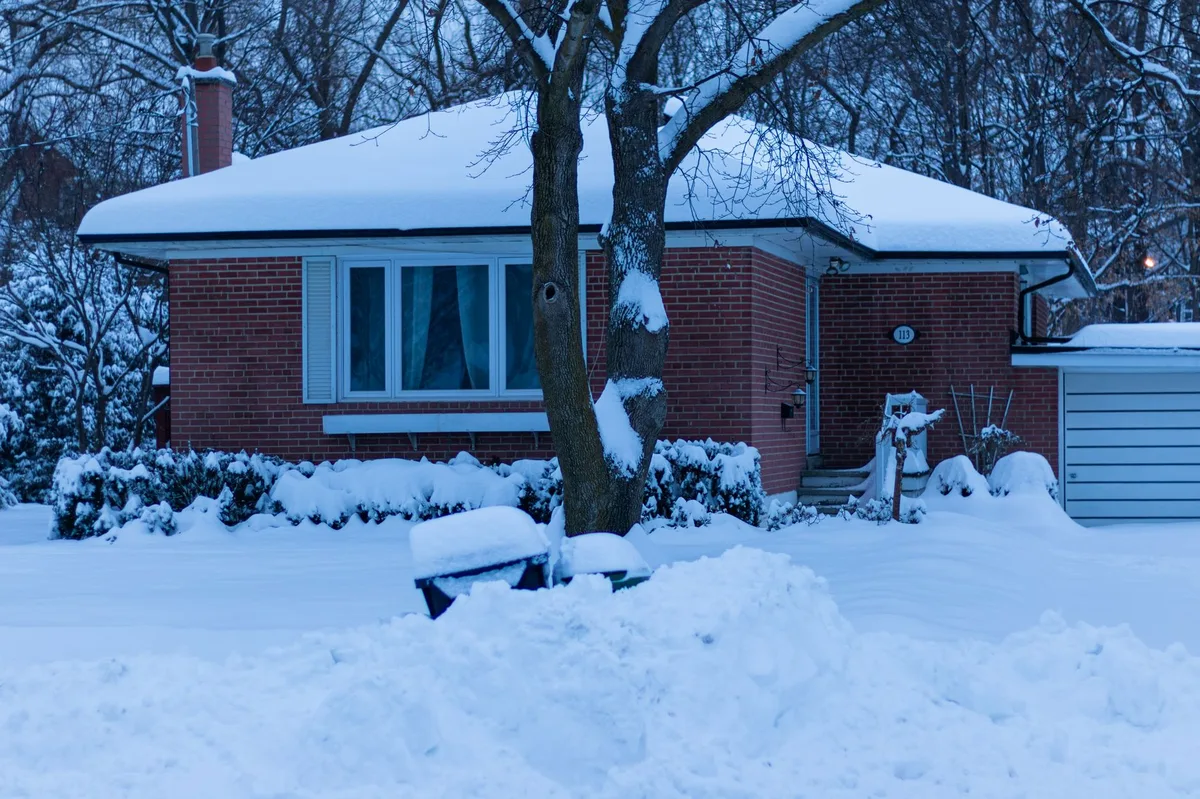
Pexels - Anurag Jamwal · original
In this article
Key Takeaway
Most standard home insurance policies in Canada cover sudden winter damage like burst frozen pipes, roof collapse from heavy snow, and wind-driven damage, but they typically exclude damage from lack of maintenance, gradual leaks, ice dams on poorly maintained roofs, and freezing damage when your home was left unheated. Whether winter damage is covered often depends on whether you took reasonable steps to prevent it and maintained your home properly.
Introduction
Canadian winters inflict billions of dollars in home damage every year. The Insurance Bureau of Canada reports that water damage, much of it winter-related, is now the leading cause of home insurance claims across the country (IBC, 2026). Understanding exactly what your home insurance policy covers when winter strikes can mean the difference between a manageable insurance claim and a financial crisis that lands entirely in your lap.
The dividing line between covered and non-covered winter damage is not always obvious. Two frozen pipe bursts can produce opposite claim outcomes depending on circumstances. This guide breaks down the typical coverage boundaries in Canadian home insurance policies and explains what determines whether your winter damage claim will be approved or denied.
What Winter Damage Is Typically Covered
Standard home insurance policies in Canada generally cover winter damage that is sudden and accidental, provided you have taken reasonable steps to maintain your home and prevent damage.
Burst frozen pipes are covered when they occur suddenly despite reasonable precautions. If you maintain heat in your home during winter and a pipe bursts during an extreme cold snap, your insurer will typically cover the cost to repair the pipe and the resulting water damage to your walls, floors, and belongings. This applies whether you are home or away, as long as the home was heated (IBC, 2026).
Roof collapse from snow or ice accumulation is covered under the dwelling portion of your policy. If heavy snow or ice buildup causes your roof structure to fail, your insurer will pay to repair or rebuild the damaged structure up to your policy limit. This coverage applies even in areas of Canada that regularly receive heavy snowfall, though insurers expect reasonable roof maintenance.
Wind damage during winter storms is covered just as it would be during any other season. If high winds tear off shingles, damage siding, or blow debris into your home, the dwelling coverage in your policy responds. Damage to detached structures like garages and sheds is also typically covered.
Ice and snow damage to gutters and downspouts is generally covered when the damage is sudden, such as when the weight of accumulated ice tears a gutter away from the roofline. The foundational insurance principles covered in educational resources such as Principles of Finance explain that property insurance responds to sudden, direct physical loss to covered property.
Damage from falling trees or branches weighted down by snow or ice is covered under most policies. Whether the tree was on your property or a neighbour’s, your dwelling coverage pays to repair the home, and your insurer may seek recovery from the tree owner’s liability coverage if the tree was poorly maintained.
What Winter Damage Is Typically NOT Covered
The exclusions in home insurance policies are designed to prevent coverage for damage that results from neglect, gradual deterioration, or failure to take reasonable preventive measures.
Freezing damage when the home was left unheated or inadequately heated is the most common winter exclusion. If you turn off the heat or set the thermostat too low while away and pipes freeze and burst, most insurers will deny the claim. Many policies require you to maintain a minimum temperature of 13 degrees Celsius when the home is vacant, and some require daily inspections if you leave for more than four consecutive days during winter (FCAC, 2026).
Ice dam damage is often excluded or limited. Ice dams form when heat escaping through your roof melts snow, which then refreezes at the eaves and creates a barrier that forces water under the shingles. Because ice dams typically result from inadequate attic insulation or ventilation, issues considered maintenance problems, many insurers exclude this damage entirely or provide only limited coverage. Some policies cap ice dam coverage at C$5,000 to C$10,000.
Gradual water damage from slow leaks is never covered, even when the leak originates from winter conditions. If a small roof leak goes unnoticed all winter and causes extensive rot and mould by spring, your insurer will deny the claim on the grounds that the damage was gradual, not sudden.
Damage to unheated structures such as seasonal cottages, detached garages without heat, or sheds is typically excluded or severely limited. If you own a cottage that you close for winter and pipes freeze, you will likely have no coverage unless you purchased specialized vacant-property or seasonal-dwelling coverage.
Sewer backup from frozen sewer lines may not be covered unless you have purchased optional sewer backup coverage, which is not included in standard policies across most of Canada. Even with the endorsement, coverage may be denied if the backup resulted from your failure to maintain the line or prevent freezing.
Damage to driveways, walkways, and landscaping from frost heave, ice, or plowing is generally excluded. Home insurance protects the dwelling and detached structures, but not hardscaping or plants.
Grey Areas and Conditions That Determine Coverage
Several types of winter damage fall into grey areas where coverage depends on the specific circumstances and the wording of your policy.
Condensation and frost damage inside the home may or may not be covered depending on the cause. If condensation results from a sudden event like a furnace failure, it is more likely to be covered than condensation from chronic poor ventilation.
Damage during a vacant period depends on how long the home was vacant and what steps you took. Many policies define vacancy as 30 consecutive days with no occupant, and coverage is restricted during vacancy. If you arrange for daily checks, maintain heat, and notify your insurer, you may preserve coverage even during extended absence.
Damage to secondary structures like detached garages is covered under most policies, but the coverage is often a percentage of your dwelling coverage (typically 10 percent) and may carry different terms. A detached unheated garage may have frozen pipe damage excluded even when the main house is fully covered.
How to Maximize Your Winter Coverage
Review your policy each fall and confirm the dwelling coverage limit is adequate to rebuild your home at current construction costs. Winter claims often reveal underinsurance when repair costs exceed the policy limit.
Purchase optional endorsements that strengthen winter protection. Sewer backup coverage, increased limits for ice dam damage, and equipment breakdown coverage for furnaces and boilers are all available as add-ons to standard policies.
Document your prevention measures. Photograph insulation, heating system maintenance records, and winterization steps if you leave your home. This documentation can support your claim if the insurer questions whether you took reasonable precautions.
Understand your insurer’s vacancy requirements before you travel. Some policies require you to drain the plumbing system if you leave for more than four days in winter. Others allow you to maintain coverage by arranging daily inspections. Confirm the requirements in writing before you leave, and keep proof that you complied.
Provincial Variations
Home insurance regulation is provincial in Canada, and some provinces have specific rules that affect winter coverage. In Quebec, the standard homeowner policy form is prescribed by law and includes mandatory coverage for some perils that are optional elsewhere. In British Columbia, strata insurance (the equivalent of condo insurance in other provinces) may allocate responsibility for winter damage differently between the strata corporation and individual unit owners. Confirm your coverage with a licensed insurance broker in your province and review your policy’s specific terms, as the general principles in this article may not apply to every policy in every province.
Frequently Asked Questions
Does insurance cover snow removal from my roof?
Standard policies do not cover the cost of preventive snow removal. They cover damage if the roof collapses under the weight, but not the cost to prevent the collapse.
What if my neighbour’s ice dam damages my property?
If ice or water from your neighbour’s ice dam damages your home, your insurer will pay your claim and may seek recovery from your neighbour’s liability coverage if the neighbour was negligent in maintaining their roof.
Are ice and snow considered weather-related or maintenance-related damage?
It depends on the circumstances. Sudden damage from a heavy snowfall is weather-related and covered. Damage that results from your failure to maintain insulation, heat, or roof condition is maintenance-related and excluded.
Can I get coverage for my cottage in winter?
Yes, but you need specialized seasonal-dwelling or vacant-property coverage. Standard home insurance policies exclude or severely limit coverage for unheated and unoccupied homes during winter.
Conclusion
Winter damage coverage under Canadian home insurance policies hinges on two principles: the damage must be sudden and accidental, and you must have taken reasonable steps to prevent it. Frozen pipes are covered when the home was heated, but not when you turned off the heat. Roof collapse is covered, but damage from ice dams that form due to poor insulation may be excluded. Understanding these boundaries and reviewing your policy each fall gives you the best chance of financial protection when winter strikes. Confirm your coverage limits, understand your insurer’s vacancy and heating requirements, and document your prevention efforts to ensure your claim is approved when you need it most.
Financial Disclaimer: This article provides general educational information about home insurance coverage for winter damage in Canada. It is not insurance advice, and it does not replace the terms, conditions, exclusions, and endorsements in your specific insurance policy. Coverage, exclusions, definitions, and requirements vary significantly by insurer, by province and territory, and by the specific policy wording you purchased. The examples in this article are illustrative and may not apply to your policy. Before making any insurance decisions, read your policy wording in full, confirm the coverage and exclusions with a licensed insurance broker or agent in your province, and verify requirements with your insurer. Provincial insurance regulators (such as FSRA in Ontario, the AMF in Quebec, and others) and the Financial Consumer Agency of Canada (FCAC) provide consumer resources at canada.ca and through provincial regulator websites. Always confirm your coverage, duties, and obligations under your specific policy before you travel, make a claim, or assume coverage applies.
Sources
- Home Insurance Basics (accessed )
- Insurance - Financial Consumer Protection (accessed )
- Principles of Finance (accessed )
- Insurance Bureau of Canada (accessed )
Related articles
Extreme Cold Weather and Home Insurance: What's Covered in Canada
Learn what extreme cold weather damage is covered by home insurance in Canada, from frozen pipes to ice dams, and what exclusions apply.
Does Home Insurance Cover Damage from Power Outages in Canada?
Does home insurance cover power outage damage in Ontario? Learn what's covered, what's excluded, and how to protect your home from electrical losses.

Top 10 Home Insurance Companies in Canada: A Straightforward Guide for Smart Homeowners
Review 10 major home insurance companies in Canada. Compare coverage, customer service, and provincial availability to protect your property.
