How to Prepare Your Home Insurance for Winter in Canada
A practical guide to winterizing your home insurance coverage by protecting pipes, inspecting your roof, and maintaining your heating system before cold weather arrives.
Pexels - Anurag Jamwal · original
In this article
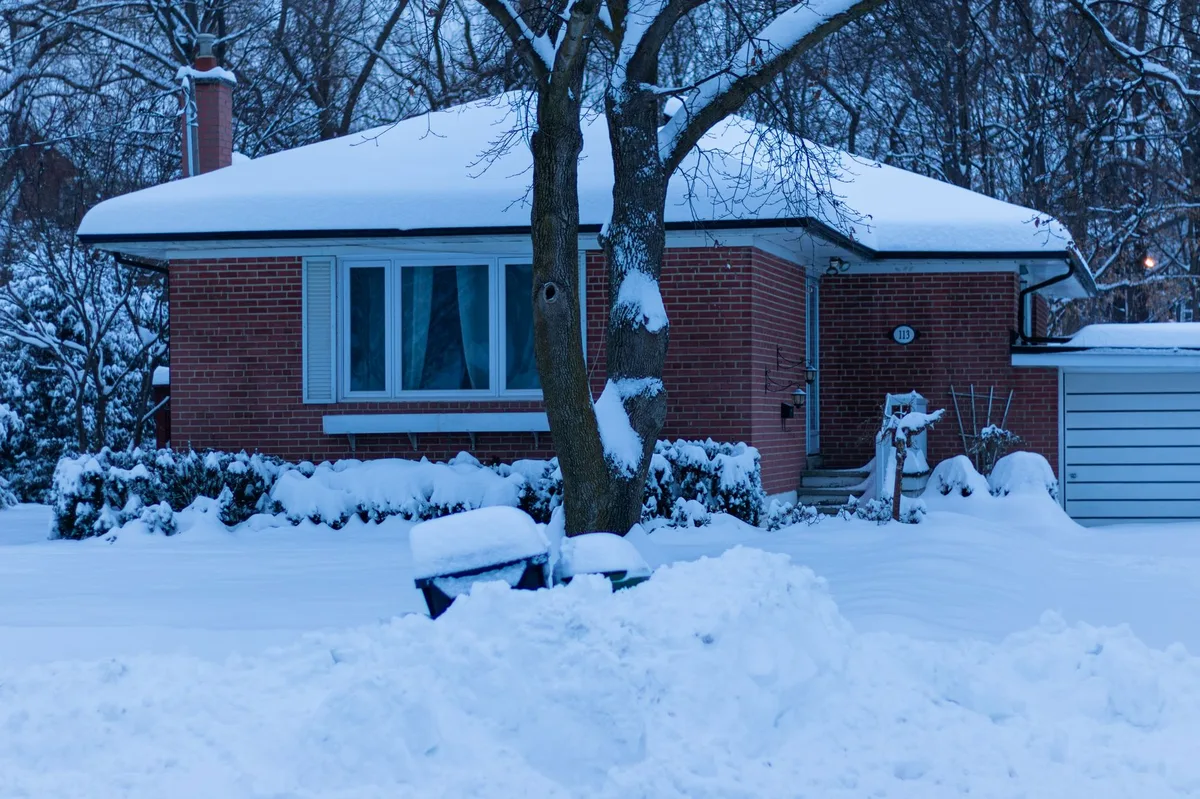
Winter in Canada brings freezing temperatures, heavy snow, and ice that can cause serious damage to your home. Taking preventive steps now protects both your property and your home insurance coverage. Most insurers expect homeowners to maintain their homes properly, and failing to winterize can result in denied claims for preventable damage like frozen pipes or ice dam leaks.
What You Will Learn
This guide walks you through the essential steps to prepare your home insurance for winter, focusing on the three highest-risk areas: pipes, roof, and heating. You will learn how to inspect and maintain each system, what your policy covers (and what it excludes), and how to document your preparation in case you need to file a claim.
Step 1: Review Your Home Insurance Policy Coverage
Before winter arrives, read your home insurance policy to understand what winter-related damage is covered. Standard policies typically cover sudden and accidental damage, such as a pipe that bursts unexpectedly, but exclude damage from lack of maintenance or neglect.
According to the Insurance Bureau of Canada, most home policies cover damage from burst pipes if the cause was sudden (IBC, 2024). However, if your pipes freeze because you failed to maintain adequate heat or drain the system before leaving for an extended period, your claim may be denied. Check your policy for specific requirements about maintaining heat (many require at least 13°C when the home is vacant) and how long you can leave your home unoccupied without notifying your insurer.
Review your coverage limits for water damage, contents, and additional living expenses if winter damage forces you to relocate temporarily. Consider whether you need to increase your coverage or add endorsements for specific risks like sewer backup, which can occur when frozen ground prevents drainage.
Step 2: Protect Your Pipes from Freezing
Frozen pipes are one of the most common and costly winter insurance claims. When water freezes inside a pipe, it expands and can cause the pipe to crack or burst, releasing hundreds of litres of water into your home once it thaws.
Insulate exposed pipes in unheated areas like basements, crawl spaces, garages, and exterior walls. Use foam pipe insulation or heat tape rated for your climate. Seal cracks and gaps in exterior walls where cold air can reach pipes. Disconnect and drain outdoor hoses, and shut off exterior water valves if possible.
If you plan to be away for more than a few days during winter, maintain heat at the minimum required by your policy (typically 13°C or higher), or drain your plumbing system entirely and notify your insurer. Many policies require notification if you leave your home vacant for more than a specified period, often four consecutive days in winter. Keep records of your thermostat settings and any winterization steps you take.
Step 3: Inspect and Prepare Your Roof
Your roof faces serious stress from snow load, ice dams, and freeze-thaw cycles. Before winter, inspect your roof for damaged or missing shingles, cracked flashing around chimneys and vents, and blocked gutters or downspouts.
Clean gutters and downspouts thoroughly so melting snow can drain properly. Clogged gutters cause water to back up under shingles or form ice dams, ridges of ice that trap water on your roof. When that water seeps under shingles and into your home, the resulting damage may not be covered if your insurer determines the ice dam formed due to poor maintenance.
Trim overhanging tree branches that could break under heavy snow or ice and fall onto your roof. Check attic insulation and ventilation, as proper airflow reduces ice dam formation by keeping your roof cold and preventing uneven melting. Document your roof inspection with dated photos.
Step 4: Service Your Heating System
A functioning heating system is essential both for comfort and for preventing freeze-related damage that could void your insurance coverage. Before temperatures drop, have a licensed HVAC technician inspect and service your furnace or boiler.
Read also: Home Insurance Renewal Checklist for Autumn in Canada
Replace furnace filters, test your thermostat, and ensure vents and radiators are unobstructed. If you use a wood stove or fireplace, have the chimney cleaned and inspected by a certified professional. Creosote buildup causes chimney fires, and most insurers require annual cleaning if you use wood heat regularly.
As covered in foundational risk management texts such as Introduction to Business, maintaining systems that prevent foreseeable losses is a basic principle of property protection. Keep a record of your heating system service, including the technician’s name, date, and any repairs completed. If your heating system fails during winter and causes pipe damage, your insurer will ask whether you maintained the system properly.
Step 5: Document Your Winterization and Notify Your Insurer
Take dated photos of your completed winterization steps: insulated pipes, cleaned gutters, serviced furnace, and overall home condition. Keep receipts for any professional services like roof inspections, HVAC maintenance, or chimney cleaning. This documentation supports your claim if damage occurs despite your precautions.
If you will be away from your home for an extended period during winter, notify your insurer before you leave. Many policies have specific vacancy clauses that require notification and may impose additional conditions, such as having someone check your home every few days or draining the plumbing entirely. Failing to notify your insurer can void your coverage.
Common Mistakes to Avoid
Do not assume your home insurance automatically covers all winter damage. Neglect-related damage, such as pipes that freeze because you turned off the heat to save money, is typically excluded. Do not leave your home unheated or fail to notify your insurer about extended absences, as this can void your policy. Avoid skipping routine maintenance like gutter cleaning or furnace service, as these steps are expected by insurers.
Frequently Asked Questions
Does home insurance cover frozen pipes? Home insurance typically covers sudden pipe bursts, but not damage from freezing caused by inadequate heat or failure to maintain the home properly.
How long can I leave my home vacant in winter? Most policies allow four consecutive days before requiring notification, but terms vary by insurer and province. Check your policy and notify your insurer if you will be away longer.
Are ice dams covered by home insurance? Damage from ice dams may be covered if the dam formed despite proper maintenance, but not if it resulted from neglected gutters or poor roof ventilation.
Conclusion
Preparing your home insurance for winter means taking active steps to protect pipes, roof, and heating before freezing weather arrives. Review your policy, complete essential winterization tasks, and document everything. If you plan to be away during winter, notify your insurer and follow their vacancy requirements. These preventive measures protect both your home and your coverage.
Disclaimer: This article provides general information about home insurance and winter preparation in Canada, not personalized advice. Insurance products, coverage terms, exclusions, and requirements vary by province, territory, and insurer. Confirm your policy’s specific winter-related requirements, vacancy clauses, and coverage limits by reading your policy wording and consulting a licensed insurance broker or agent in your province. For questions about regulatory requirements, contact your provincial insurance regulator.
Sources
- Home Insurance Basics (accessed )
- Insurance Information and Resources (accessed )
- Introduction to Business (accessed )
Related articles

How Extreme Weather Is Driving Home Insurance Claims to Record Highs in Canada
Statistics Canada data shows extreme weather is driving Canadian home insurance claims to record levels. Learn what's behind the surge and what it means for your coverage.
What to Know About Home Insurance During Wildfire Season in Canada
What Canadian homeowners need to know about wildfire coverage, deductibles, documentation, and fire-protection steps during wildfire season.

Home Insurance Renewal Checklist for Autumn in Canada
Review your Canadian home insurance renewal with this checklist: coverage amounts, premiums, deductibles, exclusions, and discounts to compare before signing.
