How Wildfires Affect the Insurance Industry in Canada
Wildfires are increasing property claim costs, changing underwriting, and putting pressure on home insurance availability in parts of Canada. Here is what that means for insurers and households.
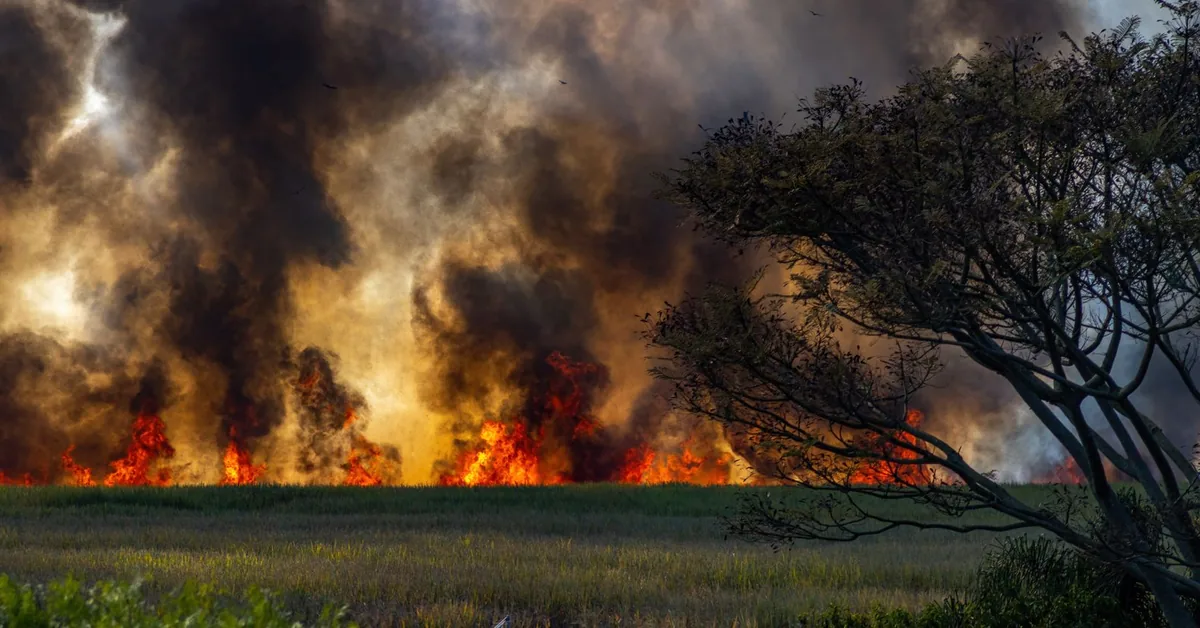
Pexels - Alexandre P. Junior · original
In this article
Wildfires affect the Canadian insurance industry by increasing property claims, making risk modelling harder, raising reinsurance costs, and putting more pressure on premiums in higher risk communities. For households, the main issue is usually not that fire disappears from standard home insurance, but that insurers may price, inspect, underwrite, or restrict new business more carefully where wildfire exposure is high. The impact is national, but the sharpest effects are local, especially in forest interface communities in British Columbia, Alberta, Saskatchewan, Manitoba, Northern Ontario, Quebec, and the territories.
What wildfire risk means for insurance in Canada
A wildfire is not only an emergency management problem. For insurers, it is an accumulation problem: one event can damage many homes, vehicles, cottages, businesses, utilities, and municipal assets at the same time. That creates a different financial strain than a single house fire, because a large wildfire can produce thousands of claims across one region.
For home insurance, fire is normally a core insured peril under Canadian property policies, subject to the policy wording, exclusions, limits, deductibles, and conditions. The Insurance Bureau of Canada describes home insurance as protection for the dwelling, contents, and liability exposures, with coverage depending on the policy purchased (IBC, 2026). Wildfire fits into that property insurance framework, but severe seasons can change how insurers assess properties before offering, renewing, or pricing coverage.
Insurance is regulated provincially and territorially in Canada. That means consumer rules, licensing, complaint processes, and some market conduct standards depend on where the property is located. In Ontario, for example, FSRA oversees many insurance market conduct matters. In British Columbia, BCFSA has a provincial role for financial services regulation, while wildfire response and land management involve separate public agencies. Federal oversight also matters for the financial strength of federally regulated insurers.
Why wildfires increase claim costs
Wildfire claims can involve more than a burned structure. A home claim may include debris removal, rebuilding, detached structures, personal property, additional living expenses, smoke damage, damage from firefighting activity, and code upgrade costs if the policy includes that protection. Auto insurers may also receive claims for burned vehicles, and commercial insurers may face building, inventory, equipment, and business interruption claims where coverage applies.
The cost pressure grows after a major disaster because demand spikes. Contractors, building materials, temporary housing, adjusters, engineers, restoration firms, and debris removal services can all be stretched at the same time. If roads, utilities, or local infrastructure are damaged, claims may take longer to resolve. Longer displacement can increase additional living expense costs, while rebuilding delays can make the final claim more expensive.
This matters because premiums are collected before losses are known. When wildfire severity rises faster than older pricing assumptions expected, insurers must update models, capital planning, underwriting rules, and reinsurance purchases. Consumers may see the results through higher premiums, more detailed property questions, stronger inspection requirements, or tighter eligibility for some homes.
How wildfires affect premiums and availability
Wildfire risk does not affect every Canadian household equally. A condo owner in downtown Toronto, a tenant in Halifax, and a homeowner near a forested valley in British Columbia have very different exposure. Insurers may consider location, construction type, roof materials, distance to vegetation, slope, road access, fire protection, claims history, replacement cost, and municipal mitigation.
The industry impact tends to show up in four practical ways:
- More risk based pricing, where premiums more closely reflect wildfire exposure.
- More underwriting questions, especially for homes near forests, grasslands, or remote access roads.
- More attention to mitigation, such as cleared gutters, maintained vegetation, defensible space, fire resistant roofing, and accessible driveways.
- More difficulty finding coverage in some high risk situations, especially for new purchases, seasonal properties, vacant homes, remote homes, or properties with prior losses.
This does not mean every homeowner in a wildfire region will lose insurance. It means the market can become less forgiving when a property has high exposure, weak mitigation, outdated replacement cost values, or limited fire protection.
The role of reinsurance and capital
Insurers do not carry all catastrophe risk alone. They buy reinsurance, which is insurance for insurance companies. Reinsurance helps insurers absorb large volumes of claims after severe events, but it has a cost. When global catastrophe losses rise, reinsurance can become more expensive or come with higher retentions, meaning the primary insurer must absorb more loss before reinsurance responds.
That cost can flow into Canadian home insurance pricing and availability. Even if a policyholder never sees the word “reinsurance” in a renewal package, it can affect the premium, deductible structure, underwriting appetite, and the amount of capital an insurer needs to support catastrophe exposure.
OSFI supervises federally regulated financial institutions, including insurance companies, to help determine whether they are in sound financial condition (OSFI, 2026). For large insurers, wildfire is part of a wider climate risk, capital, and solvency conversation. Insurers need enough capital and risk controls to remain able to pay claims after severe but plausible events.
Read also: How Climate Change is Affecting Home Insurance Premiums in Canada
Why climate risk makes modelling harder
Insurance depends on estimating future losses from past data, current exposure, and forward looking models. Wildfire risk complicates that process because land use, forest conditions, drought, heat, wind, community design, and firefighting capacity can change quickly.
A property that was once considered moderate risk may become higher risk as vegetation thickens, drought persists, nearby development expands into the wildland-urban interface, or access roads remain limited. At the same time, mitigation can reduce risk. FireSmart style property maintenance, community fuel breaks, better building materials, and improved emergency planning can all affect the loss outlook.
This creates a difficult balance. If pricing is too low, an insurer may not collect enough premium to support future claims. If pricing is too high or underwriting becomes too restrictive, consumers may struggle to afford or obtain coverage. That tension is one reason wildfire insurance has become both an industry issue and a public policy issue.
What it means for homeowners, tenants, and condo owners
The practical lesson is to review coverage before wildfire season, not after an evacuation alert. Confirm whether fire, smoke damage, additional living expenses, detached structures, personal property, and debris removal are covered, and check the dollar limits. If local rebuilding costs have risen, make sure the dwelling limit still reflects current replacement cost.
Tenant insurance matters too. A landlord’s policy does not insure a tenant’s personal belongings or temporary housing costs after an insured loss. Condo owners should review both their personal condo policy and the condo corporation or strata insurance, especially for unit improvements, deductible assessments, and additional living expenses.
The Financial Consumer Agency of Canada says insurance information should help consumers understand why they may need insurance, how claims work, and how to make complaints (FCAC, 2026). For wildfire risk, that consumer lens matters: compare coverage, not only price, and ask how the insurer would handle evacuation orders, smoke damage, total loss claims, and temporary housing.
Common misconceptions
A common misconception is that wildfire is always a separate optional add on. In many Canadian home insurance policies, fire is part of the base property coverage, but the exact protection depends on the wording, exclusions, limits, and conditions.
Another misconception is that insurance pricing is only about the individual home. For wildfire, the surrounding area matters. A well maintained house can still be exposed if neighbouring properties, forest fuel, access roads, slope, or local fire protection create a higher regional risk.
A third misconception is that government disaster assistance replaces insurance. Public assistance, when available, is usually limited and program specific. It should not be treated as a substitute for adequate home, tenant, condo, auto, or business coverage.
Conclusion
Wildfires are pushing the Canadian insurance industry to price climate risk more carefully, invest in better modelling, buy costly reinsurance, and pay closer attention to property level mitigation. For consumers, the impact shows up through premiums, underwriting questions, coverage reviews, and the need to understand policy limits before a loss.
Review your home, tenant, condo, auto, or business insurance annually, especially if you live near forest, grassland, or a community with recent evacuation history. Confirm current terms with a licensed broker or agent, read the policy wording, and check the regulator in your province or territory for consumer rules that apply to your situation.
This article is general information only and is not financial, legal, tax, or insurance advice. Insurance products, coverage, exclusions, limits, deductibles, and availability vary by province and territory and by insurer. Confirm details with a licensed insurance broker or agent and, where needed, your provincial or territorial regulator, a lawyer or notary in Quebec, or a qualified tax professional for your personal circumstances.
Sources
- Home Insurance (accessed )
- Insurance (accessed )
- Office of the Superintendent of Financial Institutions (accessed )
Related articles
What Canada's C$8.5B Disaster Year Means for Home Insurance Renewals
Canada's record C$8.5B disaster year may raise home insurance renewals. Learn what to check before accepting your next premium.
How Climate Change is Affecting Home Insurance Premiums in Canada
Climate change is pushing Canadian home insurance premiums up as severe weather claims rise. Learn why costs are increasing and what you can do.
Canadian Homeowners Drop Coverage as Disaster Insurance Costs Rise
Rising home insurance premiums in Canada are forcing some homeowners to drop or reduce coverage, particularly in flood and wildfire zones.
