The Impact of Wildfires on the Canadian Insurance Industry
Wildfires are reshaping Canada's insurance landscape, driving premium increases, coverage restrictions, and fundamental changes in how insurers assess and price risk across fire-prone regions.
Pexels - Rafael Minguet Delgado · original
In this article
Wildfires are driving significant change across Canada’s property insurance industry. Insurers face mounting claims costs from catastrophic fire seasons, particularly in British Columbia, Alberta, and the boreal forest regions. The industry is responding with premium increases of 20 to 40 percent in high-risk zones, tighter underwriting standards, coverage restrictions, and in some cases withdrawal from the most fire-prone communities. These shifts affect homeowners’ ability to secure affordable coverage and signal a fundamental repricing of wildfire risk in the Canadian market.
Rising Claims and Financial Pressure
The financial impact on Canadian insurers has escalated sharply over the past decade. According to the Insurance Bureau of Canada, insured losses from wildfires reached record levels during severe fire seasons, with single events generating hundreds of millions of dollars in claims (IBC, 2026). The 2016 Fort McMurray wildfire alone produced nearly C$4 billion in insured losses, making it the costliest disaster in Canadian insurance history at the time. More recent fires in British Columbia’s Interior and the Okanagan have continued to drive catastrophic loss years.
These losses flow directly to reinsurance markets. Canadian property insurers purchase reinsurance to transfer extreme wildfire risk to global capital markets. When catastrophic fire seasons deplete reinsurance capacity or trigger higher reinsurance pricing, those costs are passed back to policyholders through premium increases. The cycle has accelerated as climate patterns intensify fire behaviour and extend the fire season across western and northern Canada.
Premium Increases and Geographic Pricing
Insurers now price wildfire risk with far greater granularity than a decade ago. Properties in the wildland-urban interface (the zone where development meets forested or grassland areas) face premium surcharges that reflect fire-spread models, historical burn patterns, proximity to fuel sources, access for firefighting equipment, and local fire protection services. In communities identified as high-risk by provincial wildfire agencies and the Insurance Bureau of Canada, homeowners report premium increases of 25 to 50 percent upon renewal, even with no claims history (IBC, 2026).
The premium structure increasingly reflects replacement cost in a post-fire rebuild scenario. Insurers factor in supply-chain constraints, labour shortages in remote areas, and the likelihood of simultaneous reconstruction demand when an entire community rebuilds at once. These adjustments drive dwelling coverage limits upward and push premiums higher as insurers reserve for worst-case scenarios.
Coverage Restrictions and Non-Renewals
Some insurers have responded to wildfire exposure by restricting coverage terms or declining to renew policies in designated fire zones. Homeowners in the highest-risk areas (often identified by FireSmart Canada assessments and provincial hazard maps) may encounter insurers who will not offer new policies or who non-renew existing coverage at the next term. In these situations, homeowners are often directed to provincial facility associations or residual markets (such as the Insurance Corporation of British Columbia’s discontinued-coverage programs), which provide last-resort coverage at higher premiums and with reduced policy features.
Coverage restrictions also appear in policy wording. Insurers may impose higher deductibles for wildfire-related claims, require specific FireSmart mitigation measures (such as cleared defensible space, fire-resistant roofing, and ember-resistant vents) as underwriting conditions, or exclude coverage for ancillary structures located in heavily wooded portions of the property. The Financial Consumer Agency of Canada advises homeowners to read policy exclusions carefully and confirm wildfire coverage with a licensed insurance broker before purchasing (FCAC, 2026).
Read also: How Wildfires Affect the Insurance Industry in Canada
Industry Adaptation and Mitigation Incentives
In response to the wildfire crisis, Canadian insurers are promoting FireSmart principles and offering premium discounts or coverage incentives for homeowners who complete risk-reduction measures. These include creating 10-metre defensible zones (cleared vegetation around structures), upgrading to Class A fire-rated roofing, installing ember-resistant vents, and using non-combustible siding materials. Insurers partner with provincial fire agencies, the Insurance Bureau of Canada, and municipal governments to educate homeowners on mitigation and subsidize community FireSmart programs.
Underwriting now incorporates satellite imagery, GIS wildfire-risk layers, and historical fire perimeters to assess exposure with precision that was unavailable a generation ago. As foundational risk-assessment texts such as Adventures in Thrift remind us, understanding and mitigating hazard is the basis for sustainable insurance pricing; the same principle applies when the hazard is wildfire in a changing climate.
Reinsurance Market Dynamics
Global reinsurance markets exert direct influence on Canadian wildfire insurance availability. After catastrophic loss years (from wildfires, floods, or other perils), reinsurers increase treaty prices or reduce capacity for Canadian property portfolios. This forces primary insurers to retain more risk on their own balance sheets, raise premiums to build reserves, or withdraw from high-exposure regions. The reinsurance renewal cycle each January and July determines the cost structure for the following policy year, making wildfire loss trends a central concern for Canadian insurers’ capital planning.
Provincial Variations and Regulatory Context
Wildfire impact varies sharply by province. British Columbia and Alberta experience the highest frequency and severity of wildfire losses, and insurers apply the most restrictive underwriting and pricing in these markets. Ontario and Quebec face lower wildfire frequency but are not immune, particularly in northern regions and cottage-country areas. Provincial insurance regulators (such as the Financial Services Regulatory Authority of Ontario, the British Columbia Financial Services Authority, and the Alberta Insurance Council) review rate filings and monitor market conduct to ensure that premium increases are actuarially justified and that consumers retain access to coverage, even in high-risk zones. Homeowners concerned about premium increases or non-renewals should contact their provincial regulator and consult a licensed insurance broker for alternative coverage options.
Conclusion
Wildfires are reshaping the Canadian property insurance industry through rising claims costs, premium increases, coverage restrictions, and a fundamental repricing of risk in fire-prone regions. Insurers are responding with more sophisticated risk modelling, geographic pricing, and mitigation incentives, while reinsurance markets impose capital constraints that flow to policyholders. Homeowners in wildland-urban interface zones face the most significant changes and should take proactive steps to reduce exposure, compare coverage options, and understand policy terms.
Disclaimer: This article provides general information only and is not insurance, legal, or financial advice. Wildfire risk, coverage availability, premiums, and policy terms vary by location, insurer, and individual circumstances. Provincial insurance regulations differ across Canada. Confirm your coverage, exclusions, and mitigation requirements with a licensed insurance broker in your province and consult your provincial insurance regulator (such as FSRA in Ontario, BCFSA in British Columbia, or the Alberta Insurance Council) for regulatory guidance and consumer resources. FireSmart mitigation measures and their impact on premiums vary by insurer; verify requirements and discounts before investing in upgrades.
Sources
- Facts of the Property and Casualty Insurance Industry in Canada (accessed )
- Home Insurance Information (accessed )
- Insurance Guide (accessed )
- Adventures in Thrift (accessed )
Related articles
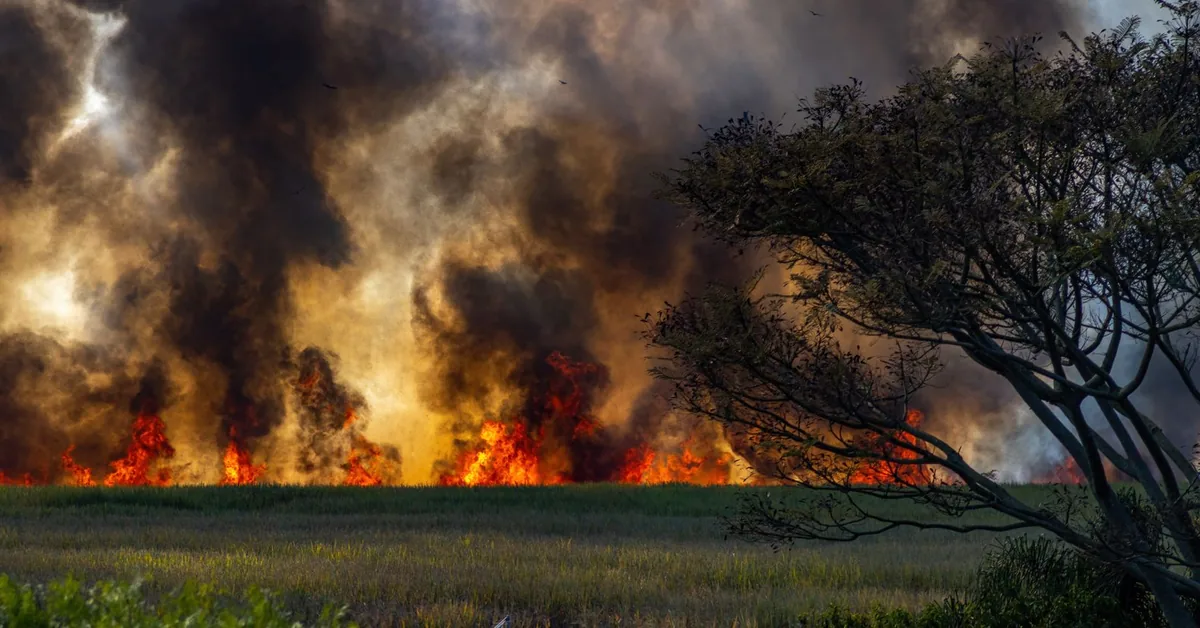
How Wildfires Affect the Insurance Industry in Canada
Learn how wildfires affect Canadian insurers, premiums, claims, reinsurance, coverage access, and homeowner reviews.
How Climate Change Is Affecting Home Insurance Premiums in Canada
Climate change is raising home insurance premiums across Canada through increased flood, wildfire, and storm claims. Learn how risks vary by region.

Understanding Ontario Home Insurance Premium Increases in Canada
Ontario home insurance premiums climbed 6.2% in 2026. Learn how insurers map property risks and what's driving costs across the province.
