Does Home Insurance Cover Weather Damage in the UK? Understanding Storm, Flood and Wind Claims
UK home insurance typically covers storm and wind damage but excludes flooding as standard. Learn what weather perils are included, how Flood Re works, and when you need additional cover.
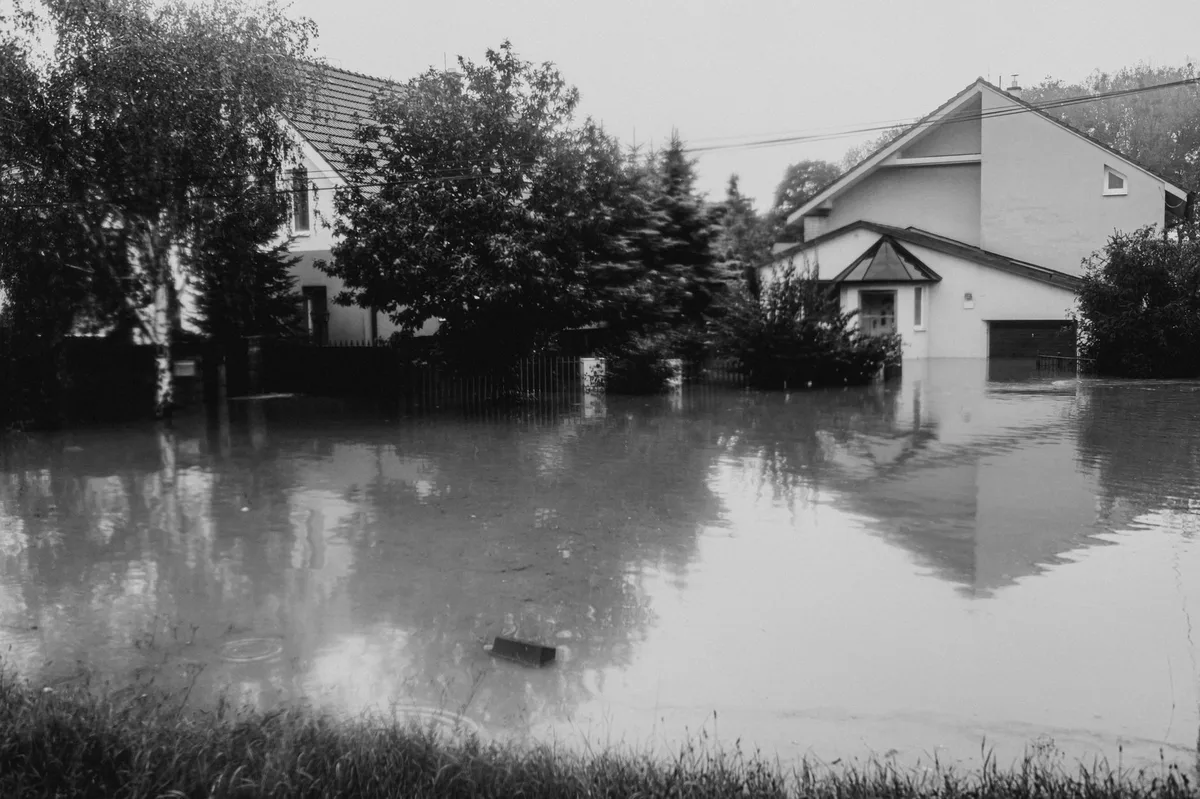
Pexels - Helena Jankovičová Kováčová · original
In this article
Key Takeaway
Standard UK home insurance policies cover damage from storms and high winds, including roof tiles blown off, garden structures destroyed, and rainwater entering through storm damage. However, flooding caused by rivers, surface water, or coastal surges is excluded from most standard policies. If you live in a flood-risk area, you will need to arrange specific flood cover, often facilitated through the Flood Re scheme, which helps keep premiums affordable for at-risk properties.
Introduction
Weather damage is one of the most common home insurance claims in the UK, but understanding exactly what is and is not covered can save considerable confusion when disaster strikes. While your buildings and contents policies will respond to certain weather perils automatically, others require additional cover or fall outside the scope of standard home insurance altogether. The distinction between storm damage, wind damage, and flooding is critical, and each is treated differently by insurers.
What Standard Home Insurance Covers
Standard UK buildings and contents insurance policies include cover for storm damage and wind damage as named perils. A storm is typically defined by insurers as wind speeds exceeding 48 mph (roughly Force 9 on the Beaufort scale), often accompanied by heavy rain, hail, or snow. According to the Association of British Insurers, storm cover includes damage such as roof tiles torn off, garden walls blown down, fences destroyed, conservatories damaged, and rainwater entering your home as a direct result of the storm damage itself (ABI, 2024).
Contents insurance will cover belongings damaged by storm or wind if the damage results from a covered peril. For example, if wind breaks a window and rain ruins your carpets and furniture, both the window (buildings) and the belongings (contents) should be covered. As covered in foundational texts such as Principles of Finance, property insurance is designed to indemnify the policyholder against specific named or all-risk perils, with storm and wind forming part of the standard peril set in the UK market.
What Is Excluded: Flooding
The critical exclusion in standard UK home insurance is flood damage. Flooding, whether from rivers overflowing, surface water runoff, coastal surges, or groundwater seepage, is excluded from most standard policies. This is a deliberate underwriting decision, as flood risk is concentrated in specific geographic areas and the potential losses are too large and correlated for insurers to include as standard cover.
If you live in a flood-risk area identified by the Environment Agency or Natural Resources Wales, you will need to arrange flood cover separately. MoneyHelper guidance emphasises the importance of checking whether your home is in a flood zone and confirming that your policy includes flood cover if required (MoneyHelper, 2024).
Flood Re and Accessing Flood Cover
Flood Re is a government-backed reinsurance scheme introduced in 2016 to help homeowners in high-risk flood areas obtain affordable buildings and contents insurance with flood cover included (Flood Re, 2024). Insurers can cede the flood risk on eligible properties to Flood Re, which caps the flood premium element based on council tax band, making cover accessible even for properties that would otherwise face prohibitively high premiums or outright refusal.
Not all properties are eligible for Flood Re (new builds from 2009 onwards and commercial properties are excluded), and not all insurers participate in the scheme. When arranging cover, confirm explicitly with your insurer whether flood cover is included and whether the policy is supported by Flood Re if you are in a flood-risk area.
Buildings vs Contents: What Each Policy Covers
Buildings insurance covers the structure of your home and permanent fixtures. Storm and wind claims under buildings insurance include roof damage, broken windows, structural cracks caused by subsidence following prolonged rain, damage to outbuildings, and damage to walls, gates, and fences. If flood cover is included, it will pay for reinstatement of walls, floors, ceilings, and fixed installations damaged by floodwater.
Read also: Storm Season Preparation: Your Home Insurance Coverage Review Checklist
Contents insurance covers your belongings. Storm damage to contents is covered when the damage results from a covered peril affecting the building (for example, wind breaks a window and rain damages your sofa). Flood cover, if included, will pay for replacement or repair of furniture, carpets, clothing, and electronics damaged by floodwater. Verify your cover limits and whether the policy is new-for-old or indemnity-based, as older policies may only pay the depreciated value.
Making a Weather Damage Claim
When making a claim for weather damage, act promptly and document the damage thoroughly. Take photographs, make temporary repairs to prevent further damage (such as covering broken windows or roof holes with tarpaulin), and keep receipts for emergency repairs. Notify your insurer as soon as practicable.
Your insurer will assess whether the damage meets the policy definition of a storm or flood event. For storm claims, insurers may check Met Office records to verify wind speeds and weather conditions on the date of loss. For flood claims, they may consult Environment Agency flood warnings and data. Be prepared to provide evidence of the weather event and the resulting damage.
Common Exclusions and Limitations
Even when storm or flood cover is included, certain exclusions and limitations apply. Damage caused by lack of maintenance (such as a roof in poor repair collapsing under heavy rain) is typically excluded. Gradual water ingress, wear and tear, and damage from condensation or rising damp do not constitute storm or flood damage. Most policies also exclude frost damage unless the building was inhabited and heated, and subsidence caused by normal ground movement rather than an insured peril may be excluded or subject to a high excess.
Always read your policy wording and the key facts document carefully to understand what is and is not covered, and confirm the excess (the amount you pay towards each claim). Storm and flood excesses can be substantial, particularly in high-risk areas.
Conclusion
UK home insurance policies typically cover storm and wind damage as standard, but exclude flood damage unless specifically added. If you live in a flood-risk area, arrange cover explicitly and check whether your policy is supported by Flood Re to keep premiums manageable. Confirm your cover limits, excesses, and the distinction between buildings and contents claims, and read your policy wording thoroughly. For your personal situation and to verify current terms, consult an FCA-authorised insurance adviser or broker who can compare policies and confirm what cover you genuinely need.
Financial Disclaimer: This article provides general information only and is not regulated financial advice. We are not authorised by the Financial Conduct Authority. Cover, exclusions, premiums, and availability vary by insurer and by policy. Always read the policy wording and key facts document, and consider consulting an FCA-authorised insurance adviser for your personal circumstances before purchasing or renewing cover.
Sources
- Flood Re (accessed )
- Insurance Guidance (accessed )
- Products and Issues (accessed )
- Principles of Finance (accessed )
Related articles
Does Your Home Insurance Cover Weather Damage in the UK?
Find out if your UK home insurance covers storm damage, flooding, and other weather-related perils, plus what exclusions typically apply.

Storm Season Preparation: Your Home Insurance Coverage Review Checklist
Essential checklist to review your UK home insurance before storm season. Check buildings, contents, flood cover and exclusions.

How Birmingham's Weather Affects Home Insurance Premiums in the UK
Learn how Birmingham's rainfall, flooding and weather patterns influence home insurance premiums and cover in the UK, plus what homeowners can do.
