Thatched Home Insurance Premiums Rise Over 300% in the UK Since 2022
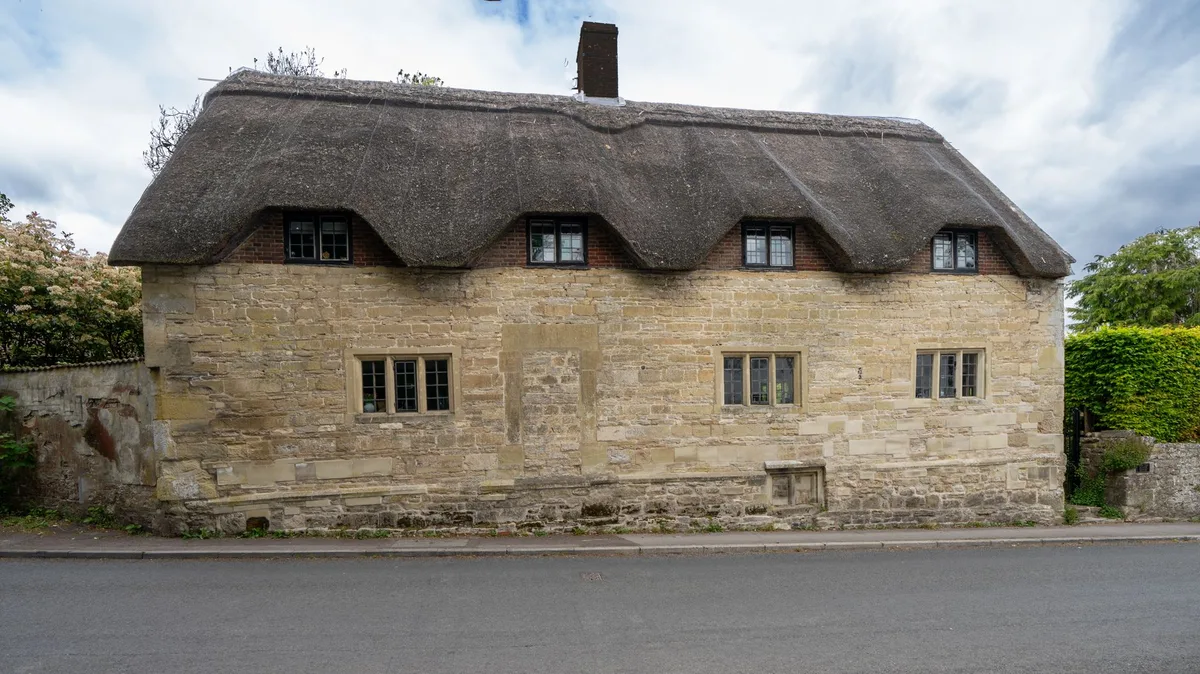
Owners of thatched properties in the UK have seen insurance premiums surge by more than 300% since 2022, driven by rising claims costs, fire risk, and fewer specialist insurers.
Pexels - Phil Ledwith · original
In this article
Key Takeaway
Thatched home insurance premiums in the UK have surged by more than 300% since 2022, with some homeowners now paying £3,000 to £5,000 annually for buildings cover compared to £800 to £1,200 just four years ago. The rise is driven by escalating claims costs for fire damage and specialist rethatching, a shrinking pool of insurers willing to cover thatched properties, and increased reinsurance costs following catastrophic weather events. Thatched homeowners should shop around using specialist brokers, consider risk reduction measures such as fire suppression systems, and ensure their sum insured reflects current rebuild costs.
Why Thatched Home Insurance Costs Are Soaring
Owners of thatched properties across the UK are facing a sharp affordability crisis as buildings insurance premiums climb to levels not seen in decades. Industry data shows premiums have increased by more than 300% since 2022, with the average thatched home now costing between £3,000 and £5,000 per year to insure for buildings cover alone. In some high-risk areas or for larger properties, premiums exceed £7,000 annually.
The surge reflects a perfect storm of factors unique to thatched properties: rising claims severity, specialist materials shortages, a dwindling number of underwriters, and broader market pressures affecting the entire insurance sector.
The Fire Risk Premium
Thatched roofs carry a significantly higher fire risk than conventional tiles or slate, and this risk is now translating directly into premium costs. A single thatched roof fire can result in total loss claims exceeding £500,000, particularly when the property is listed or in a conservation area where like-for-like reinstatement is required.
According to the Association of British Insurers, the cost of specialist thatching labour has risen by over 40% since 2020, while the price of quality thatching materials (water reed, combed wheat reed, and long straw) has increased by 25% to 35% over the same period (ABI, 2024). Rethatching a typical cottage roof now costs £30,000 to £60,000, with listed buildings or complex roof designs pushing costs well above £100,000.
Insurers have responded by either withdrawing from the thatched property market entirely or tightening underwriting criteria. Several mainstream home insurers no longer offer cover for thatched homes, leaving owners dependent on a shrinking pool of specialist providers who can command higher premiums in a less competitive market.
Reinsurance and Catastrophic Loss
The insurance market does not operate in isolation. Insurers themselves buy reinsurance to protect against large or catastrophic claims, and reinsurance costs have climbed sharply following significant global losses from floods, wildfires, and storms in recent years. These costs feed through to policyholders, and owners of high-risk properties such as thatched homes feel the impact most acutely.
Climate-related weather events in the UK, including severe storms and flooding, have also contributed to rising claims frequency and severity across the property insurance sector. While thatched roofs themselves are resilient to wind and rain when properly maintained, the overall hardening of the property insurance market has pushed premiums upward for all non-standard risks.
Underinsurance and Rebuild Cost Inflation
A further complication for thatched homeowners is the risk of underinsurance. Many policies written several years ago were based on rebuild costs that no longer reflect today’s reality. Specialist thatching, listed building consents, and premium materials mean that reinstatement costs can easily exceed outdated sums insured.
If a thatched property is underinsured and suffers a total loss, the insurer may apply the principle of average, reducing the claim payout proportionately. A home insured for £400,000 but with an actual rebuild cost of £600,000 would see a claim settlement reduced by one-third. Homeowners must review their sum insured annually and ensure it reflects current rebuild costs, not market value (MoneyHelper, 2024).
What Thatched Homeowners Can Do
While premiums are unlikely to return to pre-2022 levels in the near term, there are practical steps thatched homeowners can take to manage costs and secure appropriate cover.
Read also: Home Insurance Premiums Fall in the UK: How to Lower Your Price Further
Shop Around Using Specialist Brokers
Mainstream comparison sites rarely feature thatched property policies. Specialist insurance brokers with experience in non-standard and listed properties can access a wider panel of underwriters and negotiate terms that reflect individual risk profiles. Brokers may also identify discounts for risk reduction measures or for homeowners who belong to the Thatched Owners Group or similar bodies.
Invest in Fire Risk Reduction
Insurers offer premium discounts for properties with fire suppression systems, modern electrical wiring, and well-maintained chimneys. Installing a sprinkler system, heat detectors in roof voids, and external fire extinguishers can reduce premiums by 10% to 20%. Maintaining a 15-metre clearance from other buildings and avoiding open fires or wood-burning stoves can also improve underwriting terms.
Review Cover Annually
Thatched homeowners should review their buildings insurance annually, ensuring the sum insured reflects current rebuild costs and that policy terms remain competitive. As covered in foundational texts such as Principles of Finance, regular policy reviews help avoid coverage gaps and ensure adequate protection against loss.
Consider Higher Excesses
Accepting a higher voluntary excess (£1,000 to £2,500) can reduce premiums, though homeowners must ensure they can afford the excess in the event of a claim. Some policies offer a fire-only excess, which applies solely to fire claims and reflects the higher risk associated with thatched roofs.
Maintain the Roof to Insurer Standards
Insurers typically require a professional thatcher’s inspection report every three to five years and may insist on remedial work as a condition of cover. Keeping the roof in good condition, addressing moss or vegetation growth, and ensuring ridge capping is secure can prevent policy exclusions and maintain competitive terms.
The Broader Market Context
The rise in thatched home insurance premiums is part of a wider trend affecting specialist and high-risk properties across the UK. Homes in flood zones, listed buildings, and properties with non-standard construction have all seen significant premium increases since 2022. The withdrawal of some insurers from these segments has reduced competition and left homeowners with fewer options and higher costs.
The Financial Conduct Authority (FCA) has raised concerns about affordability and access to insurance for high-risk properties, though no regulatory intervention has yet addressed the thatched home market specifically. Consumer groups such as Which? continue to highlight the challenges facing owners of specialist properties and recommend greater transparency in underwriting criteria (Which?, 2024).
Conclusion
The 300% rise in thatched home insurance premiums since 2022 reflects a fundamental shift in the insurance market’s appetite for high-risk, high-cost properties. While premiums are unlikely to fall significantly in the short term, thatched homeowners can manage costs by working with specialist brokers, investing in fire risk reduction, and ensuring their cover remains adequate for current rebuild costs. Regular policy reviews, proactive maintenance, and a clear understanding of underwriting requirements remain the most effective strategies for securing affordable and comprehensive buildings insurance.
Financial Disclaimer: This article provides general information only and does not constitute regulated financial advice. We are not authorised by the Financial Conduct Authority. Thatched home insurance is a specialist product, and cover terms, premiums, and exclusions vary significantly by insurer, property, and location. You should read the policy wording and key facts document carefully and consider speaking to an FCA-authorised insurance adviser or specialist broker to confirm the most appropriate cover for your personal circumstances. Premium estimates and cost figures are indicative and based on industry data as of October 2026; verify current terms with an FCA-authorised adviser or insurer before making any decision.
Sources
- Products and Issues (accessed )
- Insurance Guidance (accessed )
- Insurance Reviews and Guidance (accessed )
- Principles of Finance (accessed )
Related articles
Why Thatched Home Insurance Is Vanishing in the UK
Major UK insurers are leaving the thatched home market as claims costs spiral. What this means for homeowners and where to find specialist cover.

Understanding the 40.6% Home Insurance Premium Rise in the UK
Home insurance premiums in the UK rose 40.6% year-on-year in January. Learn what's driving this increase and how to manage rising costs.

How to Cut Your Home Insurance Premiums in the UK: Eight Top Tips
Discover eight practical ways to reduce your home insurance premiums in the UK while maintaining the cover you need.
