Why Thatched Home Insurance Is Vanishing in the UK
Major insurers are withdrawing from the thatched property market as claims costs and fire risks drive premiums higher, leaving UK homeowners with fewer specialist options.
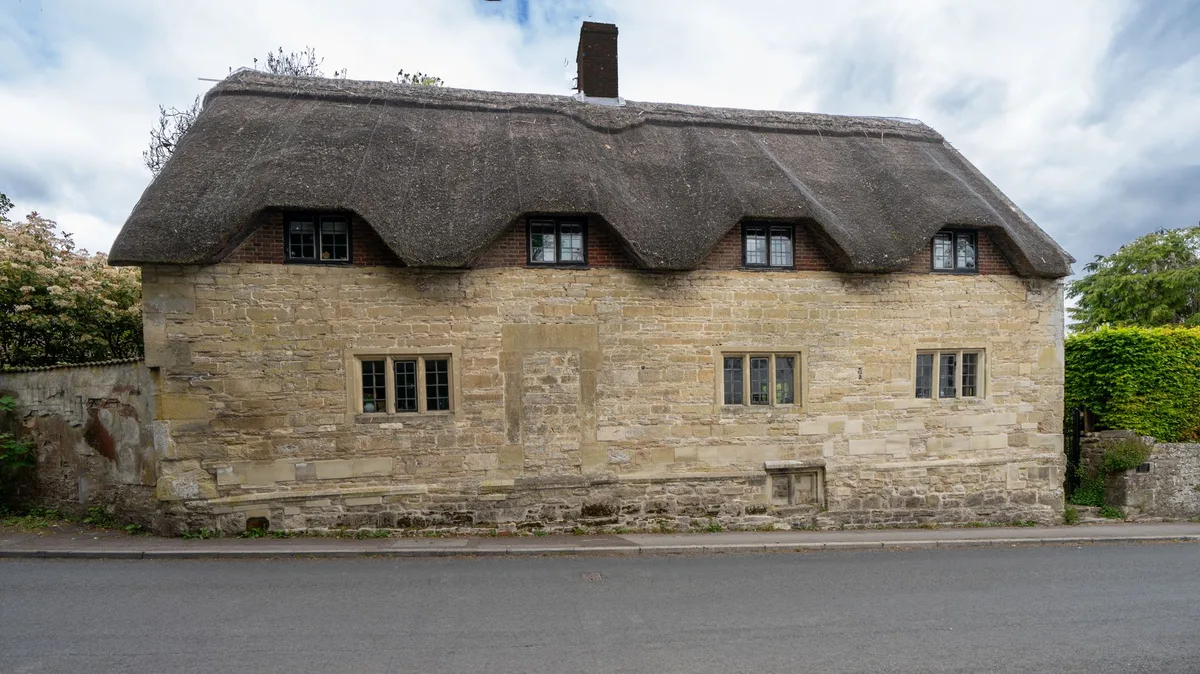
Pexels - Phil Ledwith · original
In this article
Key Takeaway
Several major UK insurers have withdrawn from the thatched property market or imposed strict underwriting criteria as claims costs from fires, storm damage and specialist repair work continue to rise. Homeowners now face higher premiums, larger excesses, and a shrinking pool of specialist insurers willing to cover thatched buildings. Finding affordable, comprehensive cover requires shopping through specialist brokers familiar with the remaining market.
What Is Happening in the Thatched Home Insurance Market
The UK thatched property insurance market is experiencing significant contraction. Mainstream insurers that once offered buildings insurance for thatched homes have either withdrawn completely or tightened their acceptance criteria to exclude most properties with thatched roofs. The retreat follows a period of rising claims costs driven by several factors: the high expense of specialist thatching repairs, the increased frequency of severe weather events damaging roofs, and a persistent fire risk that results in total loss claims averaging substantially higher than standard properties.
According to the Association of British Insurers, specialist and non-standard properties, including those with thatched roofs, require underwriting expertise and claims-handling capacity that many insurers no longer maintain in-house (ABI, 2026). When claims for a particular property type consistently exceed the premium income collected, insurers reassess their appetite for that risk. Thatched homes have crossed that threshold for several major providers.
Why Insurers Are Leaving the Market
Thatched roofs present a unique combination of risks. Fire remains the primary concern: thatch is combustible, and once alight, fires spread rapidly through the roof structure. Even with modern fire barriers and sprinkler systems, total loss claims for thatched properties are more common than for conventionally roofed homes. The cost of rebuilding a listed or period property with a thatched roof, including sourcing specialist materials and hiring skilled thatchers, often runs into hundreds of thousands of pounds.
Storm damage represents the second major claims driver. Thatch requires regular maintenance and professional re-ridging or patching after severe weather. The supply of qualified thatchers in the UK is limited, and repair costs have risen steeply. Insurers face not only the direct cost of repairs but also delays in completing work, which extend the period of risk and increase overall claims settlement expenses.
As covered in Principles of Finance, insurers price cover based on the expected frequency and severity of claims, plus a margin for uncertainty. When actual claims exceed projections year after year, the underwriting model breaks down. Rather than raising premiums to levels that homeowners cannot or will not pay, some insurers choose to exit the market entirely.
What This Means for Thatched Homeowners
Homeowners with thatched properties now face a more challenging insurance landscape. Premiums have increased significantly, often doubling or tripling compared to rates available five years ago. Excesses (the amount the homeowner pays towards each claim) have also risen, with fire-related excesses of £5,000 to £10,000 now common. Some policies impose additional conditions, such as mandatory annual professional roof inspections, installation of fire detection systems, or restrictions on the use of wood-burning stoves and open fireplaces.
The number of insurers willing to quote has shrunk. Many high-street providers and online comparison platforms no longer offer cover for thatched buildings. Homeowners must turn to specialist insurers or brokers who focus on non-standard properties. These specialists have the underwriting expertise to assess the specific risks of individual properties, but they operate in a smaller, less competitive market, which tends to keep premiums higher.
Finding cover can take longer. Where a standard home insurance quote might be obtained online in minutes, arranging thatched property insurance typically requires a telephone conversation or site survey. Insurers want details on the roof’s age, condition, fire precautions, proximity to other buildings, and the property’s listing status.
Read also: Thatched Home Insurance Premiums Rise Over 300% in the UK Since 2022
Where Homeowners Can Find Cover
Specialist brokers remain the most reliable route to market. Brokers who work with non-standard and listed properties maintain relationships with the remaining insurers that accept thatched risks. They can often secure terms that individual homeowners would struggle to find independently. MoneyHelper recommends using a broker registered with the British Insurance Brokers’ Association or another professional body, ensuring the broker is authorised by the Financial Conduct Authority (MoneyHelper, 2026).
A smaller group of specialist insurers continue to underwrite thatched properties, though their appetite varies by region and property characteristics. Properties with recently re-thatched roofs, modern fire barriers, and comprehensive fire detection systems are more likely to receive competitive quotes. Listed buildings and those in conservation areas may face additional scrutiny, but specialist insurers familiar with period properties understand the requirements and can tailor cover accordingly.
Homeowners should expect to provide detailed information during the application process: photographs of the roof, evidence of recent professional inspections, details of fire precautions (smoke alarms, sprinklers, fire extinguishers), and confirmation of regular maintenance schedules. Insurers may require annual roof inspections as a policy condition, with the inspection report submitted to the insurer each year at renewal.
What to Check When Comparing Policies
Cover limits matter. Ensure the buildings sum insured reflects the full rebuild cost, including the premium for specialist thatching work and any listed building requirements. Standard rebuild cost calculators may underestimate the true cost of reconstructing a thatched property. Consider instructing a chartered surveyor to provide a professional rebuild valuation.
Excesses vary significantly between insurers. A lower premium may come with a higher fire excess, which could leave the homeowner facing a substantial out-of-pocket cost in the event of a total loss. Compare the overall cost of cover, including both the premium and the potential excess, when assessing value.
Check what events are covered. Some policies exclude or limit cover for storm damage, subsidence, or accidental damage. Read the policy wording and the key facts document carefully, and confirm that the cover meets the requirements of any mortgage lender. Lenders typically require comprehensive buildings insurance, and may impose their own conditions on properties with thatched roofs.
The information in this article is general guidance only and does not constitute regulated financial advice. Cover, premiums, excesses, and availability vary by insurer, property, and individual circumstances. We are not authorised by the Financial Conduct Authority. Homeowners with thatched properties should speak to an FCA-authorised insurance broker or adviser who can assess their specific needs and recommend appropriate cover. Always read the policy wording and key facts document before purchasing insurance, and verify current terms directly with an authorised broker or insurer for your personal situation.
Sources
- Association of British Insurers Products and Issues (accessed )
- MoneyHelper Insurance Guidance (accessed )
- FCA Consumer Guidance (accessed )
- Principles of Finance (accessed )
Related articles
Thatched Home Insurance Premiums Rise Over 300% in the UK Since 2022
Thatched home insurance premiums in the UK have risen over 300% since 2022. Learn why costs are soaring and what thatched homeowners can do.

Understanding the 40.6% Home Insurance Premium Rise in the UK
Home insurance premiums in the UK rose 40.6% year-on-year in January. Learn what's driving this increase and how to manage rising costs.

How to Cut Your Home Insurance Premiums in the UK: Eight Top Tips
Discover eight practical ways to reduce your home insurance premiums in the UK while maintaining the cover you need.
