Winter Weather Warning UK: Is Your Home and Contents Policy Ready?
Winter storms, floods, and freeze damage can strike fast. Check your home and contents insurance now to avoid costly gaps when severe weather hits.

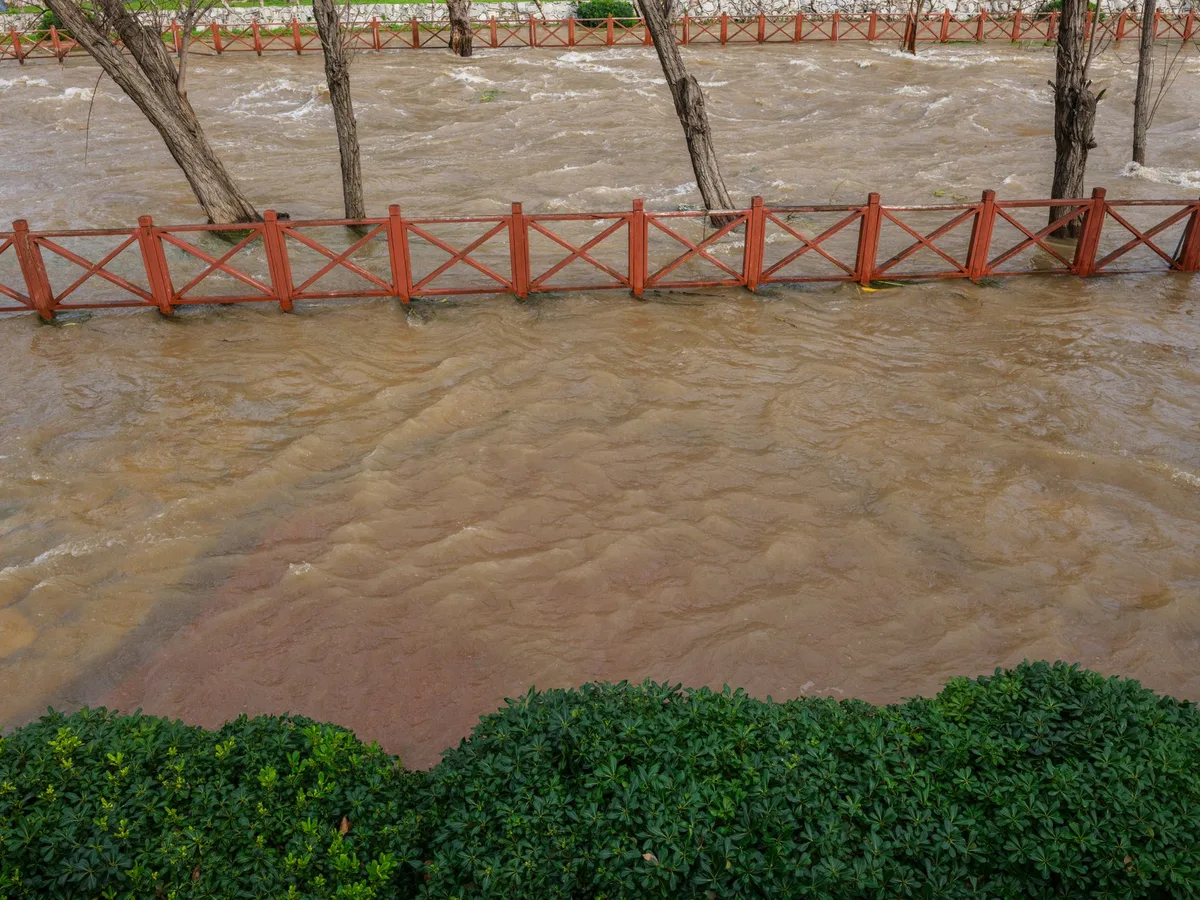
Pexels - Frans van Heerden · original
In this article
Most UK home and contents policies cover storm and flood damage, but crucial exclusions (poor maintenance, gradual leaks, some types of subsidence) and excess charges mean you could still face thousands in uncovered costs. Before winter weather arrives, verify your policy covers escape of water from burst pipes, check your excess amount, confirm you have adequate rebuild and contents sums insured, and ensure your flood cover is active if you are in a risk area.
What Winter Weather Risks Actually Matter for UK Homes
Winter brings three main insurance concerns: storm damage (wind tearing off roof tiles, breaking windows, felling trees onto structures), flooding (from rivers, surface water, or overwhelmed drains), and escape of water (burst pipes when temperatures drop below freezing). Buildings insurance typically covers the structure, while contents insurance covers your possessions. According to the Association of British Insurers, weather-related claims spike every winter, yet many households remain underinsured or unaware of policy limits (ABI, 2026).
Standard combined buildings and contents policies generally cover sudden, one-off damage from storms and water escape. They do NOT cover gradual deterioration, damage from lack of maintenance (such as a roof you knew needed repair), or flooding if you failed to disclose that you live in a flood risk area when you took out the policy.
What Your Policy Covers (and the Gaps to Watch)
Buildings insurance covers the cost to repair or rebuild your home after insured damage. Contents insurance replaces or repairs your belongings. Both have limits. Your buildings sum insured must reflect the full rebuild cost (not the market value), which can be far higher than you think, particularly for older or non-standard construction. Your contents sum insured should cover replacing everything you own at today’s prices.
Excess is the amount you pay before the insurer contributes. Many policies have a standard excess (often £100 to £250) plus a voluntary excess you chose to lower your premium. Some insurers add a separate, higher excess for subsidence claims or escape of water claims. Check your policy schedule now so you know what you will actually pay if you need to claim in January.
Flood cover is included in most home policies but may be excluded or come with a higher excess if you live in a high flood risk area. If your postcode falls under Flood Re (the government-backed scheme for flood risk properties), your insurer can access reinsurance, which should make cover available, but premiums and excesses can still be significant. MoneyHelper advises checking the Environment Agency flood maps and confirming with your insurer that flood cover is active (MoneyHelper, 2026).
Escape of water (burst pipes, leaking appliances) is covered by most policies, but the insurer may refuse to pay if the damage occurred while the property was unoccupied for more than a set period (often 30 or 60 days) and you did not turn off the water or drain the system. If you are going away over winter, check your policy wording for unoccupied property conditions.
As covered in foundational texts such as Principles of Finance, insurance is a risk transfer mechanism, not a guarantee against all loss. Understanding what you have actually transferred to the insurer (and what remains your responsibility) is essential before a claim arises.
Quick Checks to Do Right Now
Read your policy schedule and certificate. Confirm your buildings sum insured is the rebuild cost (your mortgage valuation is irrelevant here). Confirm your contents sum insured reflects what you own. List high-value items separately if your policy requires it (jewellery, art, electronics often have per-item limits).
Read also: Home Insurance Renewal Checklist for Winter in the UK
Check your excess amounts. If your total excess is £500 and the damage costs £600 to repair, you pay £500 and the insurer pays £100. Decide whether that is manageable or whether you need to adjust your voluntary excess.
Confirm flood and storm damage are not excluded. If you see any exclusions you do not understand, contact your insurer or an FCA-authorised insurance adviser before the weather deteriorates.
Check the unoccupied property clause if you will be away. Some policies require you to visit the property every few days, turn off the water, or notify the insurer.
What to Do if You Find Gaps
If your sums insured are too low, increase them immediately. Underinsurance can trigger the average clause, where the insurer reduces your claim payout proportionately. If your rebuild cost is £300,000 but you only insured for £200,000, the insurer may only pay two-thirds of any claim.
If your excess is unaffordable, consider whether lowering your voluntary excess (which will raise your premium) makes sense, or set aside savings to cover the excess in an emergency.
If flood cover is excluded and you need it, shop around. Not all insurers treat flood risk the same way. The Financial Conduct Authority requires insurers to explain exclusions clearly, so ask for a written explanation if you are unsure (FCA, 2026).
If your policy has lapsed or you have no cover at all, arrange it now. Severe weather can arrive with little notice, and insurers will not cover damage that occurs before the policy starts.
Important Disclaimer
This article provides general information only and is not regulated financial advice. We are not authorised by the Financial Conduct Authority. Home and contents insurance policies vary by insurer, and cover, exclusions, excesses, and eligibility differ. Read your policy wording and key facts document carefully. For advice tailored to your personal circumstances, consult an FCA-authorised insurance adviser. Verify all terms and sums insured with your insurer before severe weather arrives.
Sources
- Household Insurance Products and Issues (accessed )
- Insurance Guidance for Consumers (accessed )
- Consumer Guidance (accessed )
- Principles of Finance (accessed )
Related articles

Home Insurance Renewal Checklist for Winter in the UK
Essential checklist for reviewing your UK home insurance renewal before winter. Check cover limits, storm protection, and flood provisions.

Most Common Home Insurance Claims in the UK
The most common UK home insurance claims include escape of water, theft, storm damage, and accidental damage. Learn what to watch for and how to prevent costly claims.
How Birmingham's Weather Affects Home Insurance Premiums in the UK
Learn how Birmingham's rainfall, flooding and weather patterns influence home insurance premiums and cover in the UK, plus what homeowners can do.
