Should South Florida Homeowners Buy Flood Insurance? Hurricane Season Risks in the US
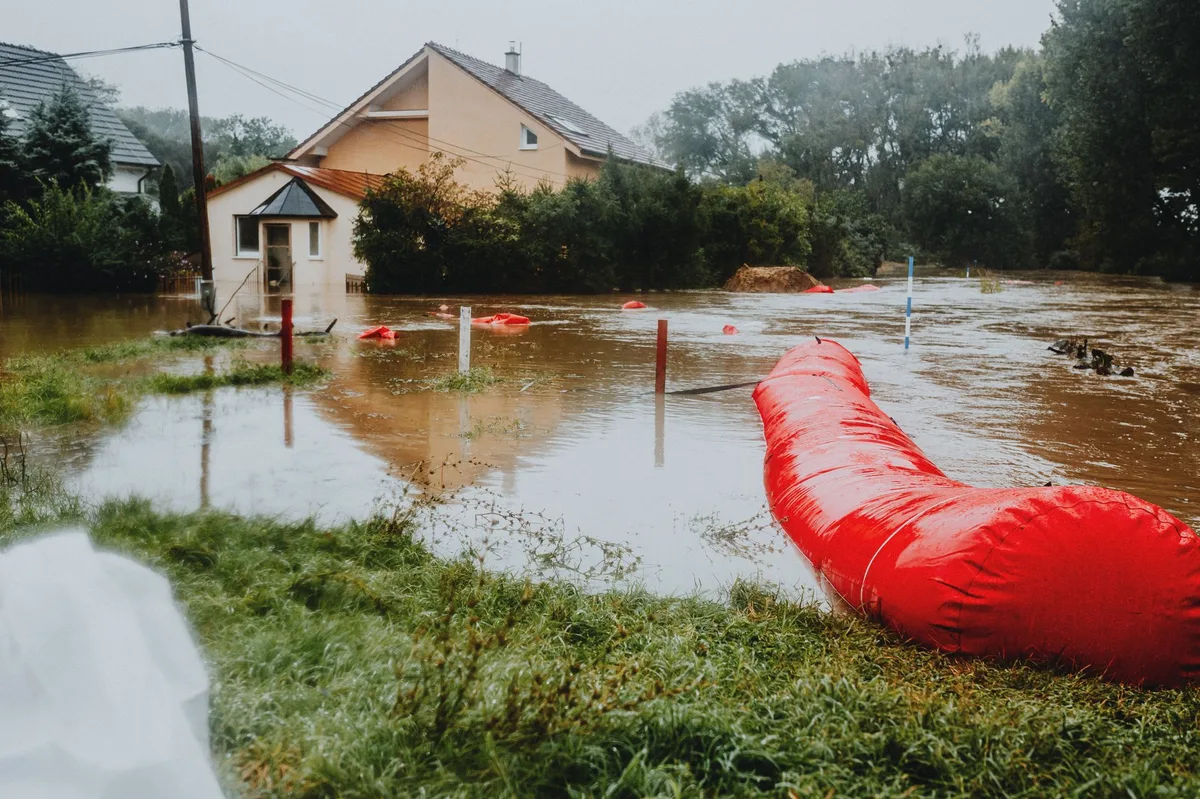
South Florida homeowners face mounting flood risks as hurricane season approaches, making the flood insurance decision critical for protecting property and finances.
Pexels - Helena Jankovičová Kováčová · original
In this article
Key Takeaway
South Florida homeowners face significant flood risk during hurricane season, and standard homeowners insurance does not cover flood damage. Given the region’s low elevation, proximity to the Atlantic, and increasing storm intensity, most South Florida homeowners should seriously consider National Flood Insurance Program (NFIP) coverage or private flood insurance. The decision depends on your property’s flood zone designation, mortgage requirements, and your financial ability to absorb potential losses without coverage.
Why South Florida Is High-Risk for Flooding
South Florida sits at the intersection of multiple flood risk factors. The region’s low-lying topography, coastal location, and vulnerability to hurricanes create what insurance professionals call a perfect storm for flood damage. Miami-Dade, Broward, and Palm Beach counties regularly experience storm surge, heavy rainfall, and rising sea levels that standard homeowners policies explicitly exclude from coverage.
According to the Federal Emergency Management Agency (FEMA), just one inch of water inside a home can cause more than $25,000 in damage (FEMA, 2026). South Florida’s hurricane season runs from June 1 through November 30, with peak activity between August and October, when warm Atlantic waters fuel major storms.
What Flood Insurance Actually Covers
The National Flood Insurance Program (NFIP), administered by FEMA, provides most flood coverage in the United States. NFIP policies cover building property (structure, foundation, electrical and plumbing systems, furnace, water heater) up to $250,000 and contents (personal belongings) up to $100,000. Private flood insurance carriers also offer policies, sometimes with higher limits and broader coverage than NFIP.
Standard homeowners insurance covers wind damage from hurricanes but not rising water. This creates a critical coverage gap for South Florida residents, as explained in foundational insurance texts such as Principles of Finance: risk transfer through insurance requires matching the policy to the actual exposure.
The Cost-Benefit Calculation
NFIP premiums vary by flood zone, building elevation, and coverage amount. Properties in high-risk Special Flood Hazard Areas (zones starting with A or V) typically pay $1,000 to $3,000 annually, while moderate-to-low risk zones may see premiums under $500. Properties with federally backed mortgages in high-risk zones must carry flood insurance as a loan condition.
The Insurance Information Institute notes that flood insurance becomes cost-effective when you consider replacement costs versus premium expense over time (III, 2026). A $2,000 annual premium protects against potential six-figure losses from a single storm event.
Read also: 7 Flood Insurance Gaps Homeowners Discover During Hurricane Season in the US
When Flood Insurance Is Worth It
Flood insurance makes financial sense for most South Florida homeowners, particularly those who:
- Live in FEMA-designated Special Flood Hazard Areas (required by mortgage lenders)
- Cannot afford to rebuild or repair major flood damage out-of-pocket
- Own property within several miles of the coast or in historically flood-prone areas
- Have experienced flooding in prior hurricane seasons
- Want protection beyond what emergency disaster assistance provides (FEMA disaster aid is typically a loan, not a grant, and rarely covers full losses)
Even homeowners in moderate-risk zones should evaluate coverage, since approximately 25 percent of NFIP claims come from outside high-risk flood zones, according to FEMA data.
Making Your Decision
Review your property’s flood zone designation on FEMA’s Flood Map Service Center. Contact a licensed insurance agent who writes flood policies to get quotes from both NFIP and private carriers. Compare coverage limits, deductibles, and exclusions. Remember that NFIP policies have a 30-day waiting period before coverage begins, so purchase well before hurricane season peaks.
Consult your state Department of Insurance and a licensed agent for guidance specific to your property location and financial situation. Coverage requirements and flood risk assessments change over time as FEMA updates flood maps and climate patterns shift.
Financial Disclaimer
This article provides educational information about flood insurance options for South Florida homeowners and is not personalized financial, insurance, or legal advice. Flood insurance coverage, premiums, and requirements vary by property location, flood zone designation, and individual circumstances. Coverage rules and NFIP policies are subject to federal program changes and state regulations. Before purchasing or declining flood insurance, verify current coverage terms, premium rates, and flood zone status with a licensed insurance agent and consult FEMA resources for your specific property. This information is current as of October 2026; confirm all details with your insurance carrier and state Department of Insurance before making coverage decisions.
Sources
- Flood Insurance (accessed )
- Insurance Information Institute (accessed )
- NAIC Consumer Information (accessed )
- Principles of Finance (accessed )
Related articles
7 Flood Insurance Gaps Homeowners Discover During Hurricane Season in the US
Discover the 7 critical flood insurance gaps US homeowners find during hurricane season, from NFIP limits to basement exclusions.
Flood Insurance for South Florida Homeowners: Weighing Hurricane Season Risks in the US
South Florida homeowners face flood insurance decisions as hurricane season nears. Learn NFIP coverage, costs, and when protection is required.
Should You Buy Flood Insurance Before Hurricane Season in Texas?
Texas officials warn homeowners to buy flood insurance now. NFIP policies have a 30-day wait, leaving those who delay unprotected during hurricane season.
