What Long Island Homeowners Should Know About Flood Insurance in the US
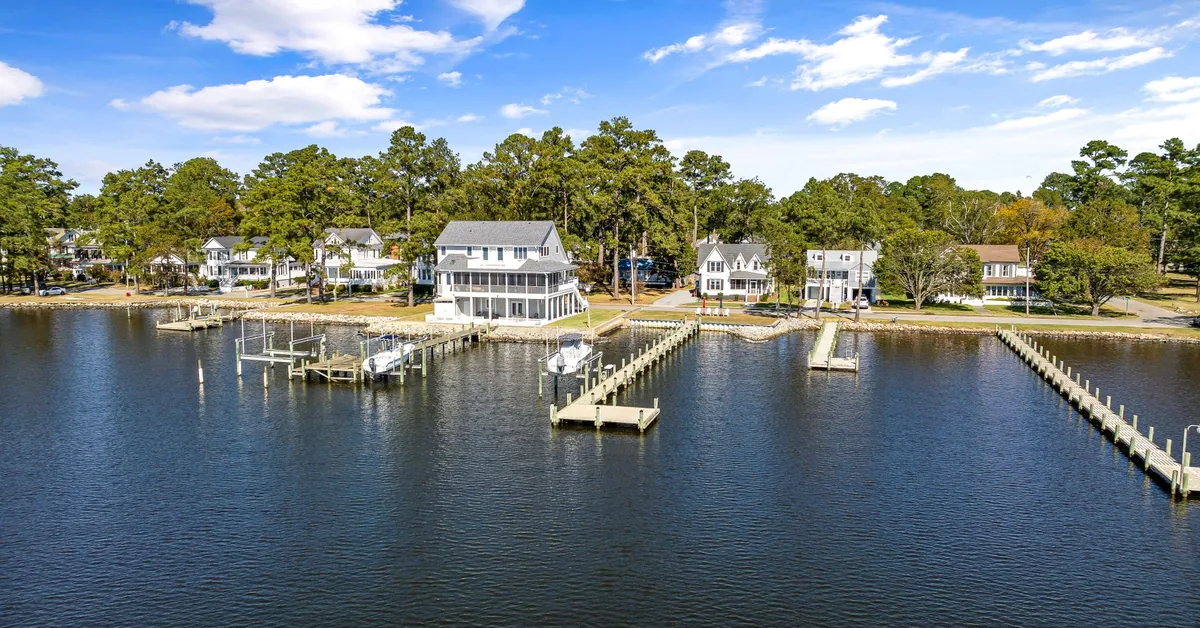
Long Island's coastal location puts homeowners at significant flood risk, making separate flood insurance essential protection.
Pexels - Curtis Adams · original
In this article
Key Takeaway
Long Island homeowners face significant flood risk due to coastal location, storm surge potential, and proximity to the Atlantic Ocean. Standard homeowners insurance does not cover flood damage. Separate flood insurance through the National Flood Insurance Program (NFIP) or private insurers is essential, often required by mortgage lenders in designated flood zones, and available even outside high-risk areas. Premiums vary based on your flood zone, elevation, and home construction.
Why Long Island Homeowners Need Flood Insurance
Long Island’s geography creates substantial flood exposure. The island is surrounded by water on three sides, putting nearly every property within range of coastal storm surge, tidal flooding, or heavy rainfall events. Hurricanes, nor’easters, and severe storms have repeatedly caused millions of dollars in flood damage across Nassau and Suffolk counties.
Your standard homeowners policy excludes flood damage entirely. Water entering your home from rising groundwater, storm surge, overflowing rivers, or heavy rain is not covered under dwelling, personal property, or liability sections of a typical HO-3 policy. Flood insurance is the only way to protect your home and belongings from these perils.
According to the Federal Emergency Management Agency (FEMA), just one inch of water inside a home can cause over $25,000 in damage (FEMA, 2026). Without flood coverage, you pay that cost out of pocket or rely on federal disaster assistance, which is typically a loan that must be repaid.
NFIP Coverage and Private Options
The National Flood Insurance Program (NFIP), administered by FEMA, provides up to $250,000 in building coverage and $100,000 in contents coverage for single-family homes. Policies are sold through private insurance agents but backed by the federal government. There is typically a 30-day waiting period before coverage takes effect, so do not wait until a storm is forecast.
Private flood insurance is increasingly available on Long Island and may offer higher coverage limits, lower deductibles, or better pricing depending on your property. Private policies can exceed NFIP limits, covering rebuilding costs that surpass $250,000. Compare quotes from both NFIP and private carriers to find the best fit for your home value and risk tolerance.
Flood Zones and Premiums
FEMA flood maps designate risk zones across Long Island. High-risk zones (Special Flood Hazard Areas, or SFHAs, labeled A or V) face a one percent or greater annual flood chance. Mortgage lenders require flood insurance for homes in these zones. Moderate-to-low-risk zones (B, C, X) are not required to carry coverage, but flooding can still occur, and policies in these zones are often significantly cheaper.
Premiums depend on your flood zone, your home’s elevation relative to the Base Flood Elevation (BFE), age of construction, and whether you have a basement or enclosure below the lowest floor. Homes built to modern flood-resistant standards and elevated above BFE receive lower rates. Homes in V zones (coastal areas with wave action) pay higher premiums than A zones (riverine or inland flooding without wave exposure).
Next Steps
Check your property’s flood zone using FEMA’s Flood Map Service Center online. Contact a licensed insurance agent who sells both NFIP and private flood policies to get quotes tailored to your home. Review your current homeowners policy to confirm it does not cover flood damage, and discuss whether your mortgage lender requires coverage. If you are in a high-risk zone, secure coverage before the 30-day waiting period prevents protection during storm season. If you are outside a high-risk zone, consider coverage anyway, especially given Long Island’s coastal exposure and storm history.
Disclaimer: This article provides general educational information about flood insurance for Long Island homeowners in the US and is not personalized insurance, financial, or legal advice. Coverage requirements, premiums, flood zones, and policy terms vary by property, location, and insurer. Verify current flood maps, coverage limits, and rates with a licensed insurance agent and consult your mortgage lender regarding requirements for your specific situation. As of June 2026; confirm all details before making coverage decisions.
Sources
- FEMA Flood Insurance (accessed )
- Insurance Information Institute (accessed )
- NAIC Consumer Information (accessed )
Related articles
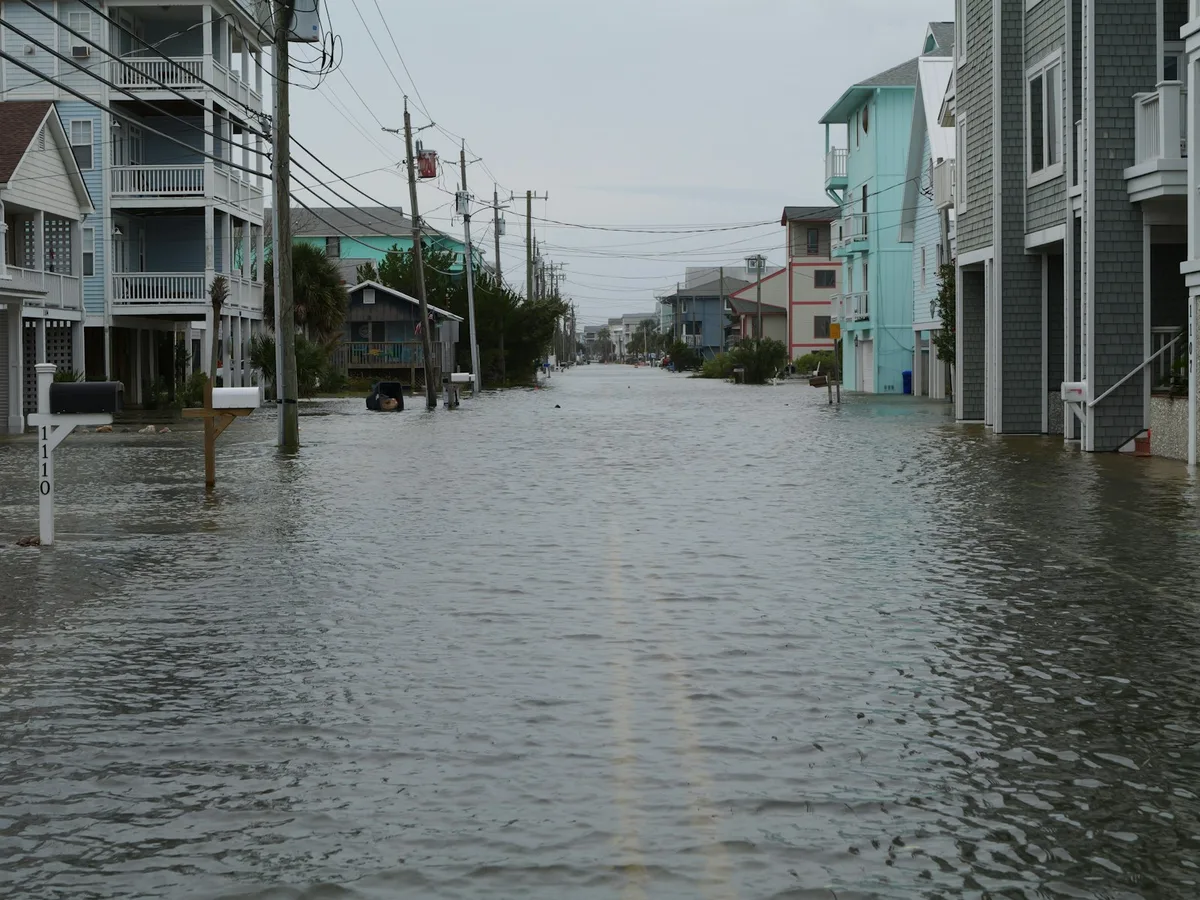
What Flood Insurance Covers in the US and Why Your Home Policy May Not
Standard homeowners insurance excludes flood damage. Learn what federal flood insurance covers in the US and why you need separate protection.
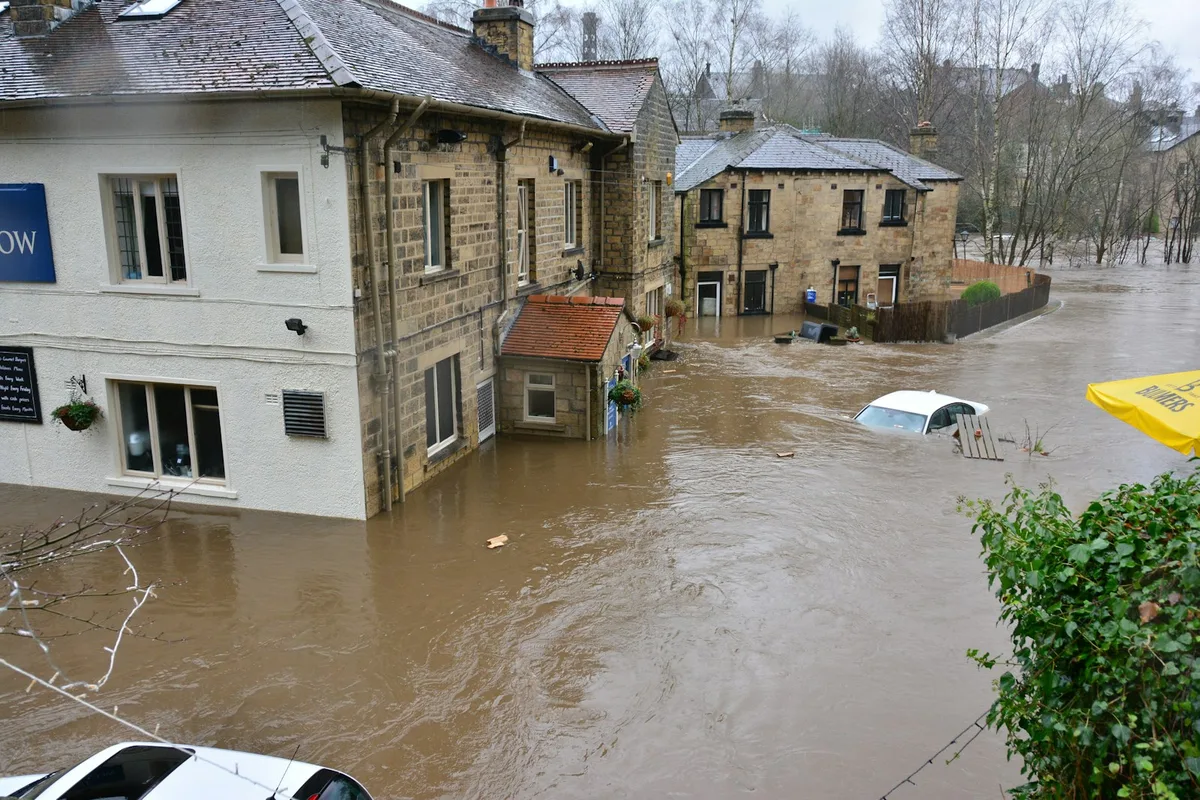
Flood Insurance Gaps Homeowners Discover During Hurricane Season in the US
Learn the flood insurance gaps US homeowners often discover during hurricane season and estimate coverage needs before a storm.
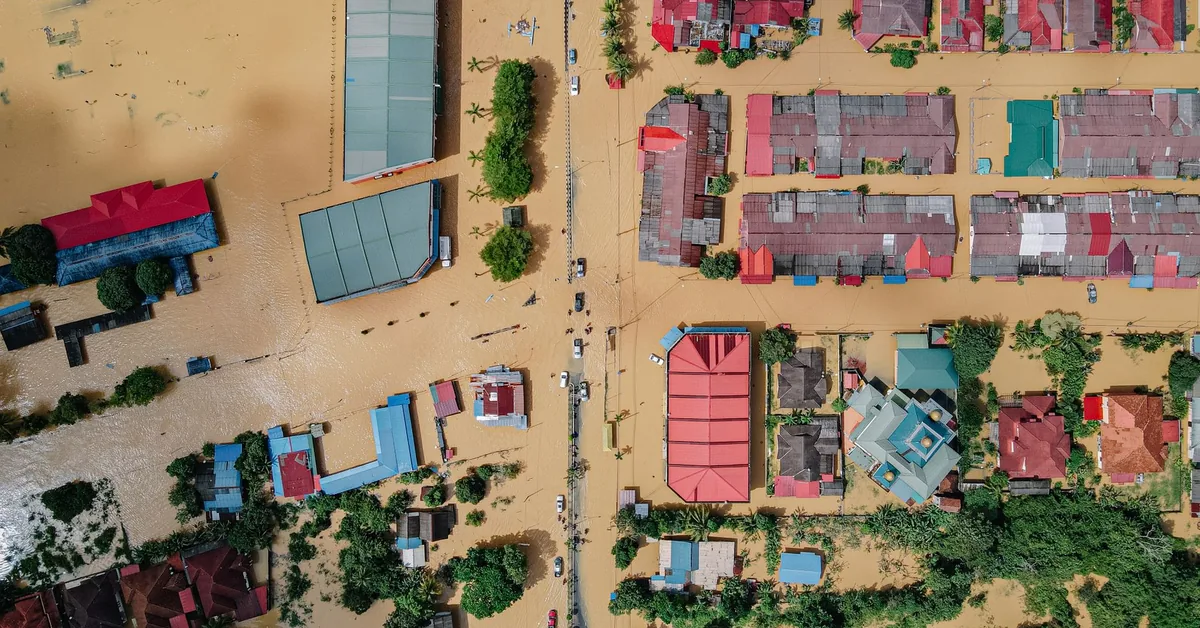
Federal Flood Insurance Moral Hazards in the US: What Homeowners Should Know
Learn how federal flood insurance creates different moral hazards for US homeowners before and after hurricanes.
