Florida Homeowners Drop Hurricane Coverage as Insurance Costs Rise in the US
Soaring premiums and insurer exits are forcing thousands of Florida homeowners to drop coverage or turn to the state's last-resort insurer as hurricane risk reshapes the market.

Pexels - Mathias Reding · original
In this article
Florida homeowners are dropping hurricane coverage in growing numbers as premiums surge following years of devastating storms, insurer bankruptcies, and reinsurance cost spikes. Thousands have turned to Citizens Property Insurance Corporation, the state’s insurer of last resort, while others are going without windstorm protection entirely. The crisis reflects a collision between rising climate risk, market exits by major carriers, and a regulatory environment struggling to balance affordability with insurer solvency.
What Is Driving the Florida Hurricane Insurance Crisis
Florida’s homeowners insurance market has been destabilizing for years, but recent premium increases have accelerated the trend. Several forces are converging to push costs higher and force coverage decisions homeowners never expected to face.
Reinsurance cost explosions. Primary insurers buy reinsurance to cover their own catastrophic losses, and those reinsurance rates have soared. After a string of costly hurricane seasons and non-hurricane losses (roof claims, litigation, fraud), global reinsurers raised Florida rates by 30% to 50% or more in recent renewal cycles. According to the Insurance Information Institute, reinsurance accounts for a significant portion of the premium Florida homeowners pay, and when that underlying cost spikes, retail premiums follow (III, 2026).
Insurer insolvencies and market exits. More than a dozen Florida-domiciled property insurers have failed since 2020, leaving policyholders scrambled and claims unpaid. Survivors pulled back, non-renewed policies, or stopped writing new business entirely. Major national carriers have also reduced Florida exposure or exited the state, citing unsustainable loss ratios and litigation costs. The market contraction means less competition and fewer options for homeowners.
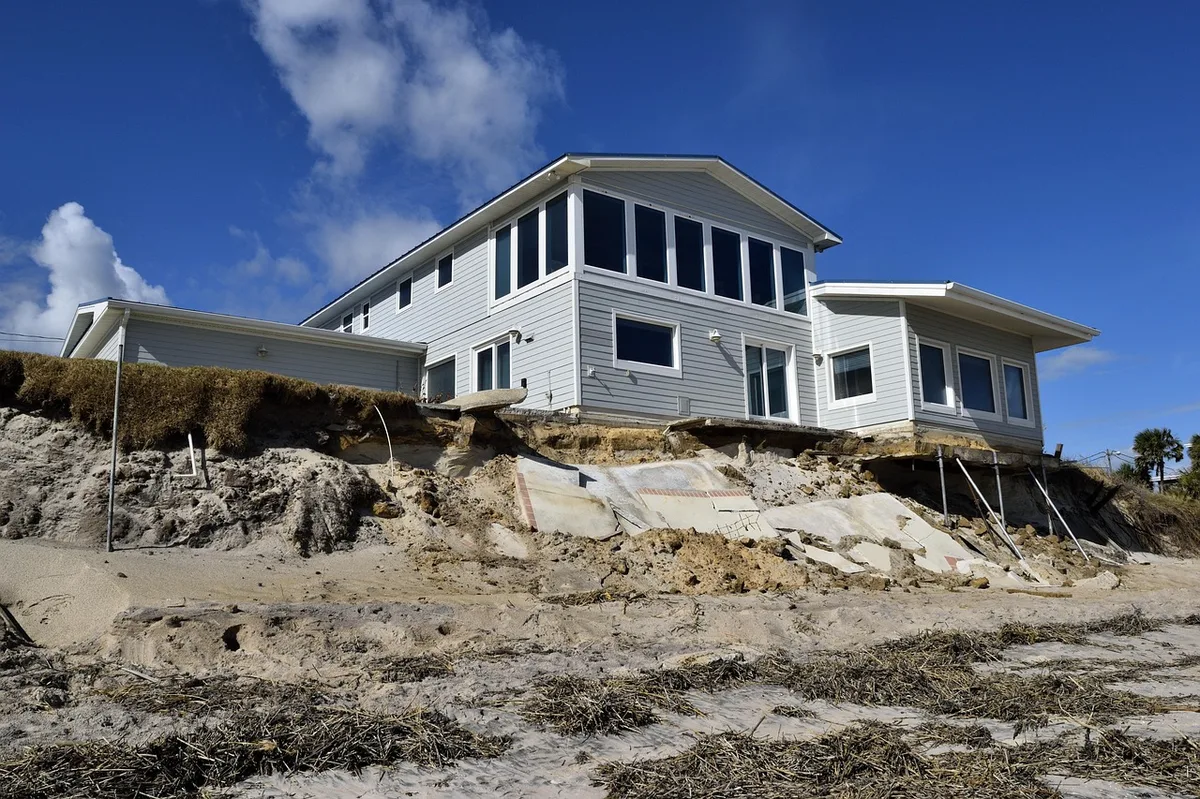
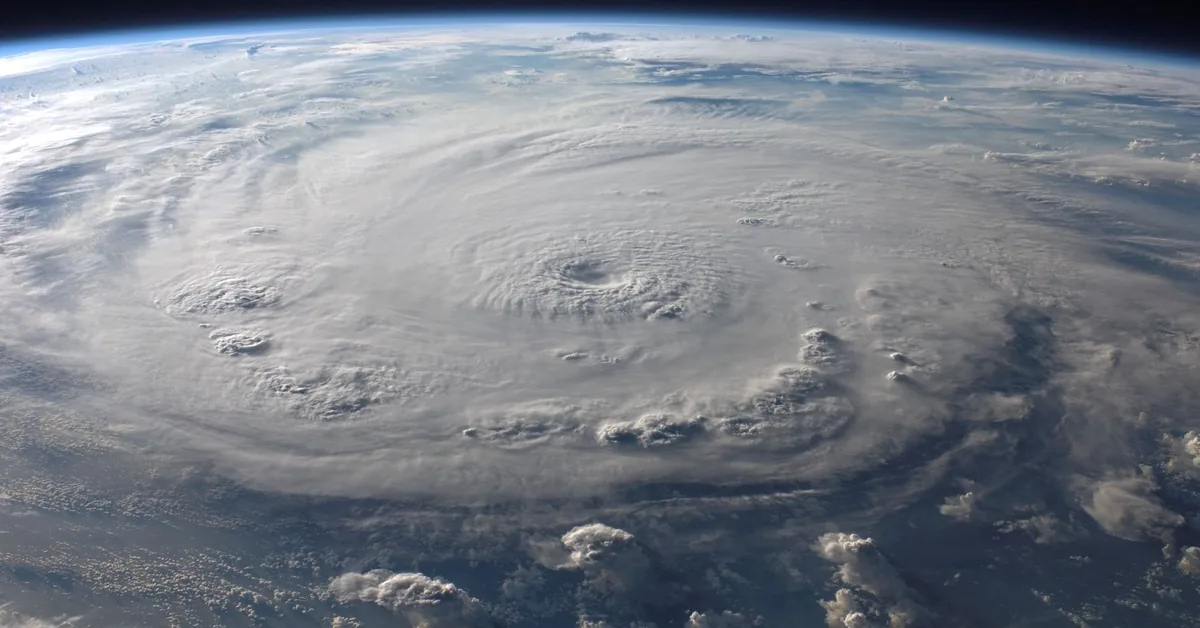
Hurricane frequency and severity. While no single storm is attributed to climate change, the long-term trend shows rising sea surface temperatures, higher storm surge potential, and more intense rainfall. Coastal Florida properties face escalating risk, and insurers price that into premiums. Even inland homes see higher rates as the entire state’s risk profile climbs.
Litigation and claims costs. Florida has historically seen high rates of homeowners insurance litigation, with lawyers and public adjusters sometimes inflating claims or pursuing lawsuits over minor disputes. Insurers argue that legal costs and fraudulent claims drive up premiums for everyone. Recent tort reforms have aimed to curb this, but the effects take years to materialize in pricing.
How Homeowners Are Responding
Faced with premiums that have doubled or tripled in some cases, Florida homeowners are making hard choices.
Switching to Citizens Property Insurance. Citizens is Florida’s state-created insurer of last resort, designed to provide coverage when private market options are unavailable or unaffordable. Its policy count has surged past 1.2 million in recent years, making it the largest property insurer in the state. While Citizens premiums are often lower than private market rates (due to legislative caps and its unique structure), the insurer carries significant risk. A major hurricane hitting densely insured areas could force Citizens to assess policyholders statewide and even tap a special assessment on all Florida property and casualty policies, spreading losses broadly.
Dropping windstorm coverage entirely. Some homeowners, especially those with paid-off mortgages and no lender requirement to carry insurance, are choosing to self-insure against wind damage. They may keep a basic fire and liability policy to satisfy homeowners association rules or personal risk tolerance, but forgo the costliest component: windstorm and hurricane coverage. This leaves them fully exposed to repair costs after a storm.
Raising deductibles and reducing coverage limits. Others keep coverage but accept higher out-of-pocket risk. Hurricane deductibles in Florida are often percentage-based (2%, 5%, or even 10% of the dwelling coverage amount), meaning a home insured for $300,000 with a 5% hurricane deductible carries a $15,000 deductible per storm. Some homeowners raise deductibles to lower premiums, gambling they will avoid a direct hit.
Read also: Florida Homeowners Insurance Rules in the US for the 2026 Hurricane Season
Improving home resilience. A smaller segment invests in mitigation: reinforced roofing, impact-resistant windows, hurricane shutters, and updated building codes. These upgrades can earn premium discounts and reduce actual damage, though the upfront cost is substantial.
The Role of Citizens Property Insurance Corporation
Citizens was created in 2002 (by merging two prior state entities) to stabilize Florida’s market after a wave of insurer failures. It is meant to be the option of last resort, not a primary market. But as private insurers retreat, Citizens has grown into a mega-carrier. Its rates are subject to legislative oversight and capped in ways that may not fully reflect actuarial risk, which concerns analysts who warn that a single Category 4 or 5 hurricane making landfall in a heavily populated area could exhaust Citizens’ reserves and trigger billions in assessments.
Policyholders in Citizens face the same coverage as a standard homeowners policy (HO-3 form), but with the added systemic risk: if the fund runs short, all Florida policyholders (even those with private carriers) can be assessed to cover the shortfall. The state has worked to “depopulate” Citizens by encouraging private insurers to assume policies, but the pace has lagged as market conditions remain tough.
What Homeowners Should Consider
The National Association of Insurance Commissioners advises consumers to shop around annually, review coverage limits, and understand their policy exclusions (NAIC, 2026). Florida homeowners should pay special attention to these points:
- Flood insurance is separate. Standard homeowners policies exclude flood damage. Coastal and low-lying properties should carry a separate National Flood Insurance Program (NFIP) policy or private flood coverage. Hurricane storm surge is flood, not wind, and will not be covered under the windstorm portion of a homeowners policy.
- Understand your deductible structure. Many Florida policies have a separate hurricane deductible triggered when the National Hurricane Center names a storm. Know the percentage, calculate the dollar amount, and confirm you can cover it.
- Document your property. Keep an up-to-date home inventory with photos, receipts, and appraisals. This accelerates claims and reduces disputes.
- Mitigation discounts are real. Ask your insurer or agent about credits for fortified roofs, impact glass, and wind-rated garage doors. Some discounts offset 10% to 20% of the premium.
- Review coverage annually. Replacement cost for homes has risen with construction and material costs. Underinsurance (carrying a limit below rebuild cost) is common and costly after a total loss.
As covered in foundational insurance texts such as Principles of Finance (OpenStax, 2022), the core function of property insurance is risk transfer: the homeowner pays a premium to shift catastrophic loss risk to the insurer, which pools that risk across many policyholders. When the pool destabilizes due to insolvencies, reinsurance shocks, or regulatory distortions, the transfer breaks down, and individuals bear more risk than the system was designed to impose.
What Comes Next for Florida’s Market
The state has passed multiple insurance reform bills in recent years aimed at reducing litigation, capping attorney fees, and curbing fraudulent claims. These reforms may eventually stabilize the market, but the timeline is uncertain. Reinsurance costs remain elevated globally, and the fundamental climate risk is not reversing. Some analysts predict a long-term bifurcation: coastal high-risk properties increasingly uninsurable in the private market, while inland lower-risk homes see gradual premium moderation if reforms hold and hurricane activity pauses.
For now, Florida homeowners face a market in flux, with fewer choices and higher costs than a decade ago. Those considering dropping coverage should weigh the financial exposure carefully. A single hurricane can cause tens of thousands or hundreds of thousands in damage, and rebuilding without insurance coverage can mean wiping out savings, taking on debt, or losing the property entirely.
Final Considerations
This information is educational and general in nature, not personalized insurance or financial advice. Homeowners insurance requirements, premium rates, and coverage options vary by location, property characteristics, and individual insurer underwriting. Verify current coverage options, pricing, and policy terms with a licensed insurance agent in Florida and consult your lender if you have a mortgage before making changes to your coverage. Florida’s insurance market is subject to ongoing legislative and regulatory changes; confirm the latest requirements with the Florida Office of Insurance Regulation or your state Department of Insurance.
Sources
- Catastrophes and Insurance Issues (accessed )
- Consumer Information (accessed )
- How Much Homeowners Insurance Do I Need (accessed )
- Principles of Finance (accessed )
Related articles
Is There a $1,000 Hurricane Tax for Florida Homeowners in the US?
Fact-checking claims about a $1,000 hurricane tax on Florida homeowners insurance. Learn what the proposal actually says and how it affects you.
Florida Homeowners Insurance Rules in the US for the 2026 Hurricane Season
Florida homeowners face 2026 insurance changes on Citizens eligibility, flood coverage, premiums, and hurricane preparation.
Will Below-Average Hurricane Forecasts Lower Florida Home Insurance Premiums in the US?
Below-average 2026 hurricane forecasts won't immediately cut Florida home insurance rates. Learn why premiums lag storm predictions and what drives costs.
