Does Home Insurance Cover Nor'easter Storm Damage in Canada?
Learn which types of nor'easter damage your Canadian home insurance policy covers, what exclusions apply, and when you need additional protection.
Pexels - Helena Jankovičová Kováčová · original
In this article
Key Takeaway: Standard home insurance in Canada typically covers wind damage from nor’easters, including roof damage, broken windows, and downed trees. However, water damage coverage varies significantly. Overland flooding, storm surge, and coastal flooding are usually excluded unless you have purchased separate overland water coverage, which has become more widely available across Canada since 2015.
Understanding Nor’easter Coverage in Canadian Home Insurance
Nor’easters are powerful low-pressure weather systems that affect Canada’s Atlantic provinces and parts of Quebec, bringing heavy snow, rain, high winds, and coastal flooding. Whether your home insurance covers the resulting damage depends on the type of damage sustained and the specific coverage in your policy.
What Is a Nor’easter and Why Does It Matter?
A nor’easter is an extratropical storm system named for the strong northeasterly winds that blow in from the ocean ahead of the storm. These weather events are most common from October through April and can cause significant damage along Canada’s eastern coastline and inland areas. Atlantic Canada (Nova Scotia, New Brunswick, Prince Edward Island, and Newfoundland and Labrador) experiences these storms regularly, with some causing catastrophic damage.
The Insurance Bureau of Canada tracks severe weather events, and nor’easters have caused hundreds of millions of dollars in insured losses in recent years (IBC, 2026). Understanding your coverage before a storm hits is essential.
Coverage Breakdown: What’s Protected
Wind Damage (Typically Covered)
Standard home insurance policies in Canada include coverage for wind damage and windstorm as a named peril. This means damage caused directly by high winds during a nor’easter is generally covered, including:
- Roof damage (shingles torn off, structural damage)
- Broken windows and damaged siding
- Trees or branches that fall on your home
- Damage to detached structures like garages or sheds
- Contents damaged by wind or exposure after wind creates an opening
Your policy will cover repairs up to your dwelling coverage limit, minus your deductible. As of October 2026, verify current deductible amounts with your insurer, as some policies apply higher percentage deductibles (such as 2% to 5% of the insured value) specifically for windstorm claims in high-risk coastal areas.
Water Damage (Coverage Varies)
Water damage from nor’easters falls into different categories with different coverage rules:
Rain entering through wind damage: If wind creates an opening in your roof or wall and rain enters, the resulting water damage is typically covered under your standard policy as a consequence of the covered wind peril.
Sewer backup: If heavy rain overwhelms municipal systems and causes a sewer backup into your home, you need separate sewer backup coverage. This optional endorsement is available in most provinces and typically provides C$10,000 to C$25,000 in coverage, though higher limits can be purchased.
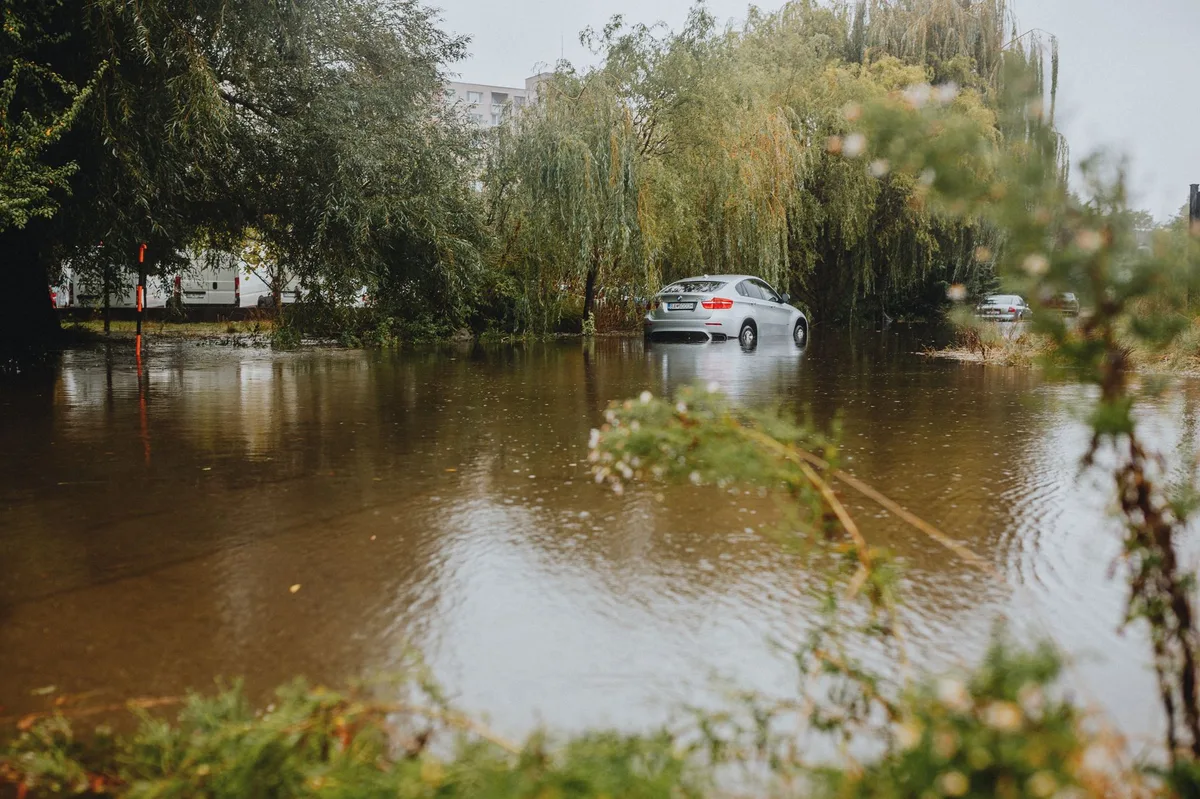
Overland flooding: This is the critical exclusion. Water that flows over the ground (from rivers, streams, storm surge, or coastal flooding) is excluded from standard policies. Overland water coverage became available across most of Canada starting in 2015, but it must be purchased as a separate endorsement or policy. Not all properties qualify, particularly those in high-flood-risk zones.
According to the Financial Consumer Agency of Canada, homeowners should review their policy wording carefully to understand which water perils are covered and which require additional protection (FCAC, 2026).
How Coverage Works in Practice
Foundational insurance texts such as Principles of Finance explain that property insurance operates on an indemnity principle, covering you for actual losses sustained up to policy limits. When a nor’easter causes multiple types of damage, your insurer will assess each separately.
Read also: Is Your Home Insurance Covered for Wildfires, Floods and Climate Disasters in Canada?
For example, if a nor’easter damages your roof (wind damage, covered), causes basement flooding from overland water (excluded without overland coverage), and creates a sewer backup (excluded without that endorsement), you would only receive payment for the roof damage under a standard policy.
Provincial and Regional Considerations
Home insurance is regulated provincially in Canada, and coverage availability varies:
- Atlantic provinces: Given the frequency of nor’easters, insurers in Nova Scotia, New Brunswick, Prince Edward Island, and Newfoundland and Labrador may have specific windstorm and water damage provisions. Some coastal properties face higher premiums or limited coverage options.
- Quebec: Properties along the St. Lawrence River and in coastal areas affected by nor’easters may have similar restrictions.
- Ontario: While less frequently affected by classic nor’easters, properties near the Great Lakes can experience similar storm systems with comparable coverage considerations.
Contact your provincial insurance regulator (such as the Financial Services Regulatory Authority of Ontario, the Autorité des marchés financiers in Quebec, or the applicable regulator in Atlantic Canada) for region-specific guidance.
What You Should Do
Before nor’easter season:
- Review your policy declarations page to confirm your wind and water coverage details
- Ask your broker or insurer specifically about overland water coverage and sewer backup endorsements
- Document your home and belongings with photos and receipts
- Understand your deductible amount and whether a higher windstorm deductible applies
- Consider whether your coverage limits reflect current replacement costs
After a nor’easter causes damage:
- Document all damage with photos before making temporary repairs
- Make reasonable efforts to prevent further damage (such as covering a damaged roof with a tarp)
- Contact your insurer promptly to report the claim
- Keep receipts for emergency repairs and temporary living expenses if you need to relocate
Important Disclaimer
This article provides general information about home insurance coverage for nor’easter damage in Canada. Insurance policies, coverage, exclusions, and availability vary significantly by province, territory, insurer, and individual property characteristics. Policy wording is the binding document.
Before purchasing coverage or making claims decisions, read your policy wording in full and confirm specific coverage details, limits, deductibles, and exclusions with a licensed insurance broker or agent. For questions about insurance requirements or consumer protection in your province, contact your provincial insurance regulator.
Conclusion
While standard Canadian home insurance policies cover wind damage from nor’easters, critical exclusions apply to flooding and other water-related damage. Given the increasing frequency and severity of these storms, particularly in Atlantic Canada, reviewing your coverage annually and purchasing overland water protection where available can prevent significant out-of-pocket losses. Speak with a licensed broker familiar with your region’s specific risks to ensure your coverage matches your exposure.
Sources
- Home Insurance Basics (accessed )
- Insurance Information and Resources (accessed )
- Principles of Finance (accessed )
Related articles
Is Your Home Insurance Covered for Wildfires, Floods and Climate Disasters in Canada?
Learn which climate disasters your Canadian home insurance covers. Wildfires are typically covered, but floods require separate overland water protection.

Where Home Insurance Premiums Are Hitting Hardest Across Canada
Discover which Canadian provinces face the highest home insurance premiums and why climate risk, property values, and natural disasters drive regional cost differences.

What Canada's C$8.5B Disaster Year Means for Home Insurance Renewals
Canada's record C$8.5B disaster year may raise home insurance renewals. Learn what to check before accepting your next premium.
