Is Your Home Insurance Covered for Wildfires, Floods and Climate Disasters in Canada?
Standard home insurance in Canada covers wildfire damage but typically excludes overland flooding - you need separate coverage for floods and other climate risks.
Unsplash - Richard R · original
In this article
Standard home insurance in Canada covers fire damage, including wildfires, but typically excludes overland flooding. If you want protection against floods, sewer backup, or other water-related climate disasters, you need to add separate endorsements or purchase stand-alone coverage. Coverage for wind, hail, and ice storms is usually included in comprehensive policies, but limits and deductibles vary by province and insurer.
What Standard Home Insurance Covers
Most comprehensive home insurance policies in Canada automatically cover damage from wildfires, windstorms, hail, lightning, and ice storms. According to the Insurance Bureau of Canada, fire is one of the core perils included in standard dwelling coverage, so if a wildfire destroys or damages your home, your insurer will typically pay to repair or rebuild it up to your policy limit (IBC, 2026).
Wind and hail damage to your roof, siding, or windows is also covered under the standard policy. If a severe storm tears off shingles or breaks glass, you file a claim under your dwelling or personal property coverage, minus your deductible.
What Standard Policies Usually Exclude
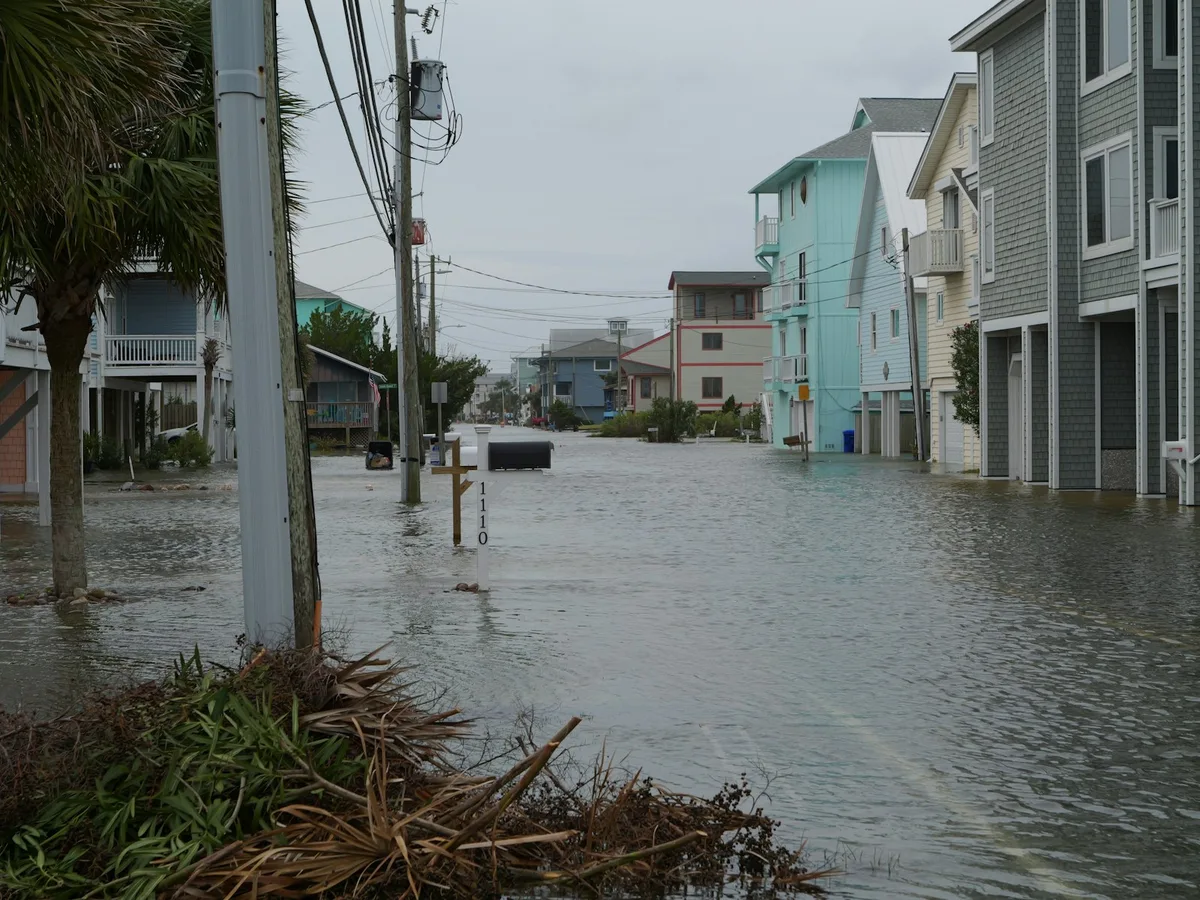
Overland flooding is the biggest gap. Overland flooding means water that flows over the ground from heavy rain, rapid snowmelt, or an overflowing river or lake. Most standard home insurance policies in Canada did not cover overland flooding until recently, and even now it is typically an optional add-on endorsement, not automatic coverage.
Sewer backup is also excluded unless you purchase a separate endorsement. If heavy rain overwhelms the municipal sewer system and water backs up into your basement, you are not covered without that add-on.
Earthquakes are excluded from standard policies. If you live in British Columbia or another seismically active area, you can buy earthquake insurance as a separate endorsement or policy.
How to Get Flood and Climate Disaster Coverage
Overland water coverage is available as an endorsement from most Canadian insurers, but availability and cost vary by property location. Insurers assess flood risk using government flood maps and property elevation data. If your home is in a high-risk flood zone, coverage may be unavailable or expensive. If you are in a lower-risk area, the endorsement is typically affordable (a few hundred dollars per year).
Read also: What Canada’s C$8.5B Disaster Year Means for Home Insurance Renewals
Sewer backup coverage is also sold as an endorsement. It covers damage from water that backs up through drains, toilets, or sump pumps, and is essential if your basement could flood from municipal sewer overload during heavy rain.
Read your policy wording carefully to understand the limits, sub-limits, and exclusions. Some insurers cap flood coverage at C$50,000 or C$100,000, which may not be enough to replace a finished basement. Confirm the coverage limit, the deductible (often higher for flood than for fire), and what is excluded (for example, damage to landscaping or retaining walls may not be covered).
Practical Next Steps
Review your current home insurance policy and check whether you have overland water and sewer backup endorsements. If not, contact your insurance broker or insurer to add them, especially if you live in an area prone to heavy rain, rapid snowmelt, or near rivers and lakes.
Confirm your dwelling coverage limit is high enough to rebuild your home at current construction costs, which have risen sharply in recent years. If your home is underinsured, you may not receive enough to fully rebuild after a total loss from wildfire or another disaster.
Document your personal property with photos and receipts, and store the records off-site or in the cloud. This makes the claims process faster if you need to file after a disaster.
Important: This information is general guidance only, not insurance or legal advice. Coverage, exclusions, limits, and availability vary by province, territory, and insurer. Confirm your policy details and current coverage with a licensed insurance broker and read your policy wording for your personal situation. For questions about climate risk and insurance regulation in your province, contact your provincial insurance regulator (such as FSRA in Ontario or the AMF in Quebec) or visit the Financial Consumer Agency of Canada.
Sources
- Home Insurance Basics (accessed )
- Financial Consumer Agency of Canada - Insurance (accessed )
- Insurance Bureau of Canada (accessed )
Related articles
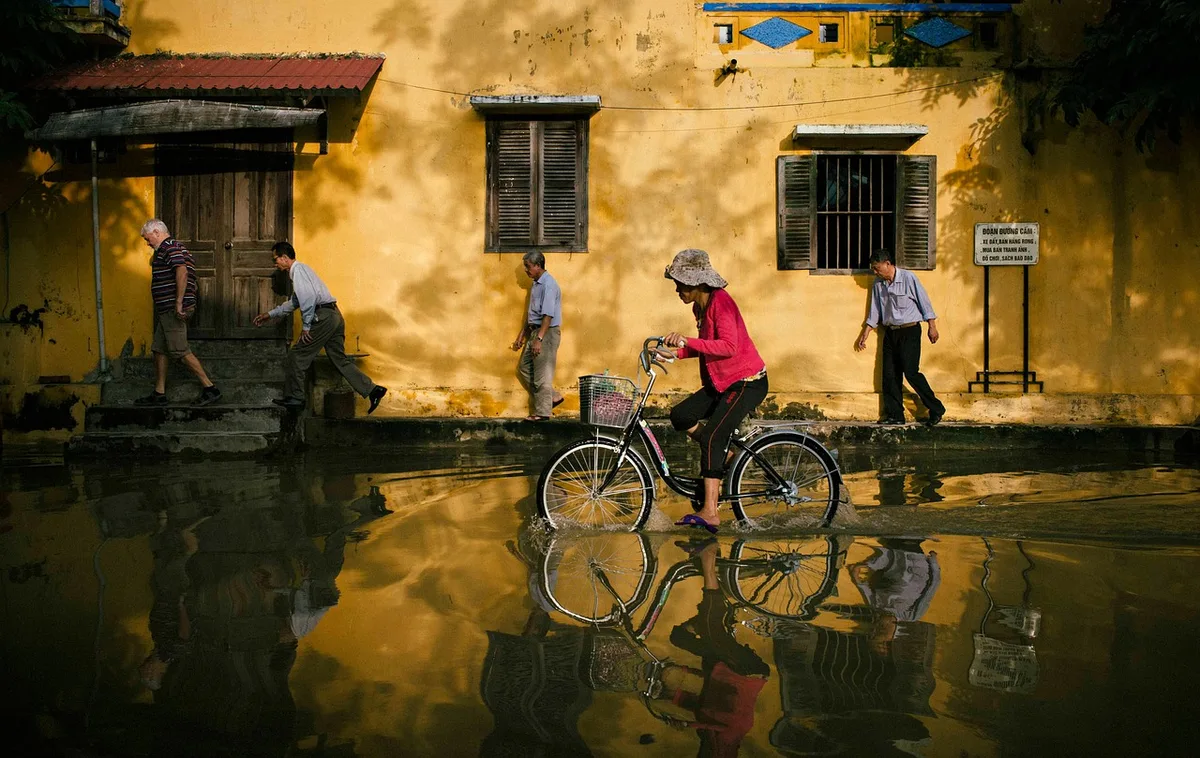
What Canada's C$8.5B Disaster Year Means for Home Insurance Renewals
Canada's record C$8.5B disaster year may raise home insurance renewals. Learn what to check before accepting your next premium.
What Nova Scotia Homeowners Need to Know About Wildfire Insurance Claims in Canada
Learn what Nova Scotia homeowners need to know about wildfire insurance claims, including coverage, deductibles, and the claims process.
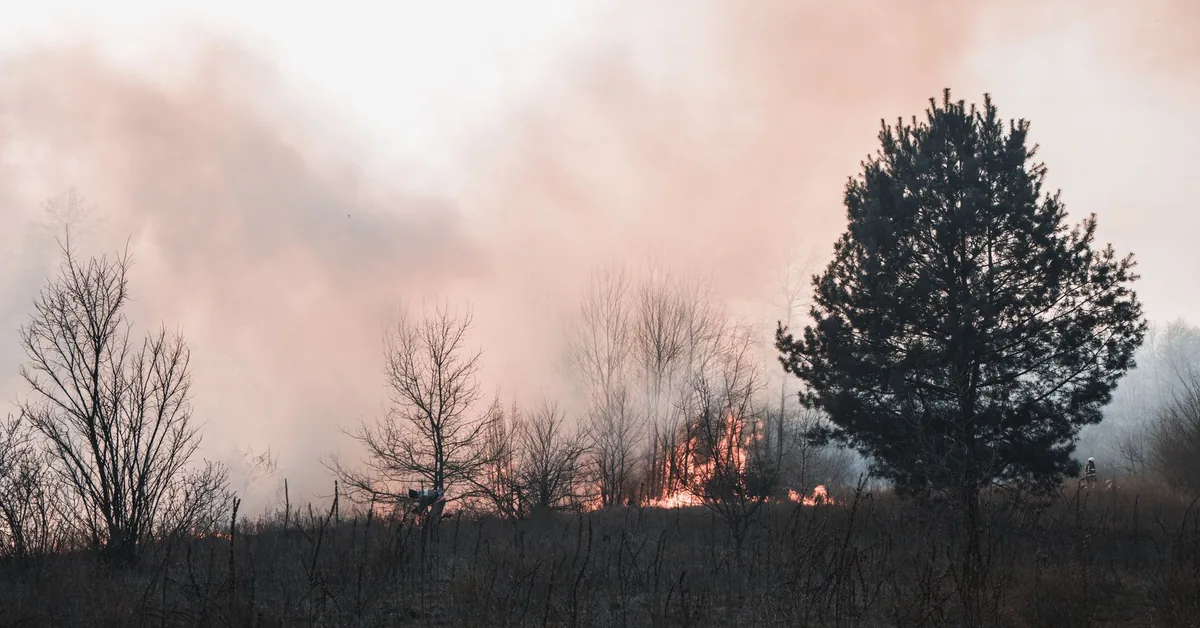
How Climate Change is Affecting Home Insurance Premiums in Canada
Climate change is pushing Canadian home insurance premiums up as severe weather claims rise. Learn why costs are increasing and what you can do.
