When Severe Weather Strikes: A Homeowners Insurance Guide to Covered Damage and Claims in the US
Learn what severe weather damage your homeowners insurance covers and how to file a successful claim after a storm, hurricane, or hail event.

Pexels - Mathias Reding · original
In this article
Key Takeaway
Most standard homeowners insurance policies (HO-3) cover damage from wind, hail, lightning, and hurricanes, but typically exclude flood and earthquake damage. When severe weather strikes, your first steps are to ensure safety, document all damage thoroughly with photos and video, make temporary repairs to prevent further damage, and file your claim within the timeframe specified in your policy (often 60 days but verify with your insurer). Understanding your coverage limits, deductibles, and documentation requirements before disaster strikes significantly improves your claim outcome.
Introduction
Severe weather events cause billions of dollars in property damage across the United States each year. According to the Insurance Information Institute, wind and hail damage represent some of the most common homeowners insurance claims (III, 2024). Whether you face a tornado, hurricane, severe thunderstorm, or winter ice storm, knowing what your homeowners insurance covers and how to navigate the claims process can mean the difference between a smooth recovery and a financial disaster.
This guide walks you through the essential steps to take when severe weather damages your home, from understanding your coverage before a storm hits to successfully closing your claim and getting your home repaired.
What You Will Learn
This comprehensive guide covers the complete process of handling severe weather damage as a homeowner, including identifying what damage your policy covers, preparing before storms arrive, documenting damage properly, filing claims with supporting evidence, working with insurance adjusters, and avoiding common mistakes that reduce claim payouts. You will understand the specific weather perils covered under standard HO-3 policies and learn the step-by-step claims process used by major US insurers.
Step 1: Understand Your Coverage Before the Storm
Review your homeowners insurance policy declaration page and coverage section well before severe weather threatens your area. Most standard HO-3 policies (the most common type in the US) cover your dwelling, other structures, personal property, and liability under named-peril or open-peril formats.
Typically covered weather perils include:
- Wind damage (including tornadoes and hurricanes)
- Hail damage to roofing, siding, and windows
- Lightning strikes and resulting fire
- Weight of ice, snow, or sleet causing roof collapse
- Damage from fallen trees or branches (when caused by wind or weight of ice)
Typically NOT covered (requiring separate policies):
- Flood damage (requires separate NFIP or private flood insurance)
- Earthquake damage (requires earthquake endorsement or separate policy)
- Surface water intrusion
- Gradual damage or lack of maintenance
Note your dwelling coverage limit (Coverage A), which should reflect your home’s replacement cost, and your deductible amount. Many insurers apply separate percentage-based wind/hail deductibles (commonly 1% to 5% of Coverage A) in hurricane-prone or high-wind regions. A home insured for $300,000 with a 2% wind deductible means you pay the first $6,000 of wind damage out of pocket.
As covered in Principles of Finance (OpenStax, 2022), understanding your policy’s risk transfer mechanisms and coverage limits forms the foundation of effective property risk management (OpenStax, 2022).
Verify your policy includes replacement cost coverage for both dwelling and personal property rather than actual cash value, which depreciates items before paying claims. Contact your agent or insurer directly with questions about specific coverage scenarios.
Step 2: Take Immediate Safety and Protection Measures
When severe weather strikes or immediately afterward, prioritize safety first. Do not enter a damaged structure until authorities confirm it is safe. Once cleared, take reasonable steps to prevent further damage, which your policy requires.
Emergency protective measures:
- Cover broken windows or roof openings with tarps or plywood
- Remove standing water to prevent mold
- Move undamaged belongings away from damaged areas
- Turn off utilities if you suspect damage to electrical, gas, or water systems
- Board up openings accessible to weather or trespassers
Save all receipts for emergency materials and temporary repairs. Your policy’s Coverage D (Loss of Use or Additional Living Expenses) may reimburse these costs, but document everything. Take photos of temporary repairs showing what you protected and how.
Most policies include a “duty to mitigate” clause requiring you to take reasonable steps to prevent additional damage. Failure to tarp a damaged roof before the next rain, for example, could result in denial of subsequent water damage claims.
Step 3: Document All Damage Thoroughly
Before making permanent repairs, create comprehensive documentation of every damaged item and structure. This evidence supports your claim and protects you if disputes arise.
Complete documentation checklist:
- Photos and video: Capture wide shots showing overall damage and close-ups of specific damage. Include reference objects for scale. Shoot video walkthroughs narrating what you see.
- Written inventory: List every damaged item with purchase date, original cost, and current condition. For personal property, include model numbers and serial numbers when possible.
- Receipts and records: Gather original purchase receipts, prior appraisals, owner’s manuals, and warranty documents for damaged items.
- Contractor estimates: Obtain written repair estimates from licensed contractors for structural damage before the adjuster visits (not required but helpful).
- Pre-loss condition proof: Provide prior photos or video showing your home’s condition before the storm, if available.
The National Association of Insurance Commissioners recommends creating and maintaining a home inventory before disasters occur, including photos of each room and high-value items (NAIC, 2024). If you lack pre-storm documentation, recreate it as best you can with receipts, credit card statements, and witness statements.
Create duplicate copies of all documentation and store them in separate locations (cloud storage, email to yourself, external drive). You will share these with your adjuster but need to retain your own complete records.
Step 4: File Your Claim Promptly
Contact your insurance company or agent as soon as safely possible after the damage occurs. While policies typically allow 60 days or more to file written claims, earlier notification speeds the process and demonstrates good faith.
Information to provide when filing:
- Policy number
- Date and time the damage occurred
- Detailed description of what happened and what damage resulted
- Your contact information and availability for adjuster visits
- Whether the property is habitable or you need temporary housing
- Any immediate emergency repairs you made
Most major insurers offer 24/7 claims reporting through phone, mobile apps, and online portals. File through your preferred channel but get a claim number immediately. Write down the claim number, the representative’s name, and the date and time you reported.
Ask about your insurer’s claims process timeline, adjuster assignment procedures, and what they need from you next. Clarify whether they work with preferred contractors or if you can choose your own repair professionals.
Step 5: Work with the Insurance Adjuster
The insurer will assign an adjuster to inspect your damage and estimate repair costs. The adjuster represents the insurance company’s interests, not yours, so be prepared but cooperative.
During the adjuster visit:
- Walk through the property together, pointing out all damage
- Share your documentation, photos, and contractor estimates
- Ask questions about coverage, estimates, and next steps
- Take notes on what the adjuster says and photographs during their inspection
- Request a copy of their estimate and inspection report
The adjuster will assess whether damage resulted from a covered peril, estimate repair costs using industry software (such as Xactimate), and determine depreciation if your policy includes it. They may issue an initial payment for immediate needs (less your deductible and depreciation) with the remainder paid after repairs are completed.
If you disagree with the adjuster’s assessment, you have options. You can hire a public adjuster (who works for you for a percentage fee, typically 5% to 15% of the claim), get independent contractor estimates, or request a re-inspection. For disputes over structural damage extent or repair costs, consider an independent structural engineer’s assessment.
Read also: Hurricane Coverage Myths That Can Cost US Homeowners Thousands
Step 6: Review the Settlement Offer
When the insurer sends a settlement offer or initial payment, review it carefully against your documentation and contractor estimates before accepting.
Key elements to verify:
- All damaged items and structures are included
- Repair cost estimates match current market rates in your area
- The settlement covers full replacement cost (if that is your coverage type)
- Your deductible was applied correctly
- Any depreciation withheld will be paid after repairs (recoverable depreciation)
- Additional living expenses are calculated correctly if you are displaced
Settlement offers often arrive in multiple payments: an initial advance check (actual cash value less your deductible) and a final payment after you complete repairs and submit receipts (the recoverable depreciation portion). Read the accompanying explanation carefully to understand payment structure.
If the offer seems insufficient, document why with competing estimates, receipts showing higher costs, or evidence of damage the adjuster missed. Contact your adjuster or claim representative to discuss discrepancies before formally accepting or appealing.
Step 7: Complete Repairs and Recover Depreciation
Once you accept a settlement, proceed with repairs using licensed, insured contractors. Your policy typically requires you to actually repair or replace damaged property to receive full replacement cost benefits.
Managing the repair process:
- Obtain multiple bids from licensed contractors; verify licenses and insurance
- Review contracts carefully before signing; never pay the full amount upfront
- Request contractors work from the approved estimate or explain needed additions
- Keep all receipts, contracts, change orders, and payment records
- Document completed work with photos
Submit final repair receipts to your insurer to claim any withheld depreciation. Most insurers require receipts within one to two years of the loss date. If you delay repairs beyond your policy’s time limit, you forfeit recoverable depreciation and receive only actual cash value.
For large losses, consider requesting periodic inspections so the insurer can release funds in stages as work progresses. This protects you from contractor disputes and ensures the insurer stays informed of the repair scope.
Practical Tips for Maximizing Your Claim
Before the storm season:
- Review and update your coverage annually; inflation and home improvements change needed limits
- Document your home and belongings with photos, video, and receipts stored off-site
- Understand your specific deductibles, especially percentage-based wind/hail deductibles
- Consider increasing dwelling coverage to account for construction cost inflation
During the claims process:
- Communicate in writing when possible (email creates records)
- Keep a claim journal logging every call, conversation, and document exchange
- Do not sign releases or final settlements until you are certain all damage is included
- Ask about coverage for code upgrades if repairs must meet current building codes (some policies include “ordinance or law” coverage)
For disputed claims:
- Request a second inspection or supervisor review before filing formal appeals
- Understand your policy’s appraisal and dispute resolution process
- Contact your state Department of Insurance if you believe the insurer is handling your claim unfairly (each state has a DOI consumer assistance division)
Common Mistakes to Avoid
Delaying claim filing: Waiting too long to report damage or file formal claims can result in denial. Some policies require notice “as soon as practicable” after a loss.
Inadequate documentation: Failing to photograph damage before making repairs eliminates your proof. Always document first, repair second (after emergency protection measures).
Accepting the first offer without review: Initial settlement offers, especially for large losses, may undervalue damage. Review carefully and question discrepancies.
Making permanent repairs before the adjuster inspects: While you must prevent further damage with tarps or boarding, do not complete permanent repairs until after the adjuster documents the loss. Exceptions apply for genuine emergencies threatening safety.
Not reading your policy: Many homeowners discover coverage gaps or exclusions only after a loss. Read your policy when you receive it, not after the storm.
Failing to maintain your home: Damage from long-term neglect or deferred maintenance is excluded from coverage. Insurers will deny claims for pre-existing conditions like old, worn roofs that finally fail during moderate wind.
Frequently Asked Questions
Does homeowners insurance cover hurricane damage in the US?
Yes, standard homeowners policies cover wind damage from hurricanes, including damage to your dwelling, other structures, and personal property. However, flood damage from hurricane storm surge or heavy rain requires separate flood insurance through the National Flood Insurance Program (NFIP) or a private flood insurer. Coastal states often impose separate hurricane or wind deductibles (typically 1% to 5% of Coverage A) that are higher than your standard deductible (Policygenius, 2024).
How long do I have to file a homeowners insurance claim after severe weather?
Most policies require notice of loss “promptly” or “as soon as practicable” and allow 60 days to one year for formal written claim filing, but these timeframes vary by insurer and state. File as soon as possible after ensuring safety. Delays complicate damage assessment and raise questions about whether the loss occurred as claimed. Check your specific policy’s timeframes and comply strictly with them.
What if my claim is denied or the settlement is too low?
If your insurer denies your claim or offers an inadequate settlement, first request a detailed written explanation of the denial or how they calculated the offer. Gather additional evidence such as independent contractor estimates, engineer reports, or documentation showing the damage resulted from a covered peril. Request a supervisory review or re-inspection. If disputes continue, understand your policy’s appraisal process (where each side hires an appraiser and they jointly select an umpire to resolve cost disputes) or contact your state Department of Insurance consumer assistance division for guidance. Consider hiring a public adjuster or insurance attorney for large disputed claims.
Are wind and hail deductibles different from my regular deductible?
In many US states, particularly those prone to hurricanes or severe wind, insurers impose separate percentage-based wind/hail or hurricane deductibles instead of your standard dollar-amount deductible. These range from 1% to 5% of your dwelling coverage amount (Coverage A). A home insured for $400,000 with a 2% wind deductible means you pay the first $8,000 of wind damage, even if your regular deductible for other perils is $1,000. Review your policy declaration page to identify which deductibles apply to your property.
Conclusion
Severe weather damage to your home creates stress and disruption, but understanding your homeowners insurance coverage and following a systematic claims process protects your financial recovery. Review your policy now, before the next storm, to confirm your coverage limits, deductibles, and exclusions. When damage occurs, prioritize safety, document thoroughly, file promptly, and work cooperatively but carefully with your insurer’s adjuster.
Your next step: Pull out your homeowners insurance policy declaration page today and verify your dwelling coverage limit, deductible amounts (including any wind/hail deductibles), and whether you have replacement cost or actual cash value coverage. If you live in a flood-prone area and lack flood insurance, request a quote from the National Flood Insurance Program or a private flood insurer before the next severe weather season begins.
Disclaimer: This article provides general educational information about homeowners insurance coverage for severe weather damage in the United States. Insurance policies, coverage terms, exclusions, and claim procedures vary significantly by insurer, state, and individual policy. Coverage availability, limits, and requirements are subject to change. Verify current terms with a licensed insurance agent or your insurer before making coverage decisions. This article does not constitute personalized insurance, legal, or financial advice for your specific situation.
Sources
- How Much Homeowners Insurance Do I Need (accessed )
- NAIC Consumer Information (accessed )
- Homeowners Insurance Guide (accessed )
- Principles of Finance (accessed )
Related articles
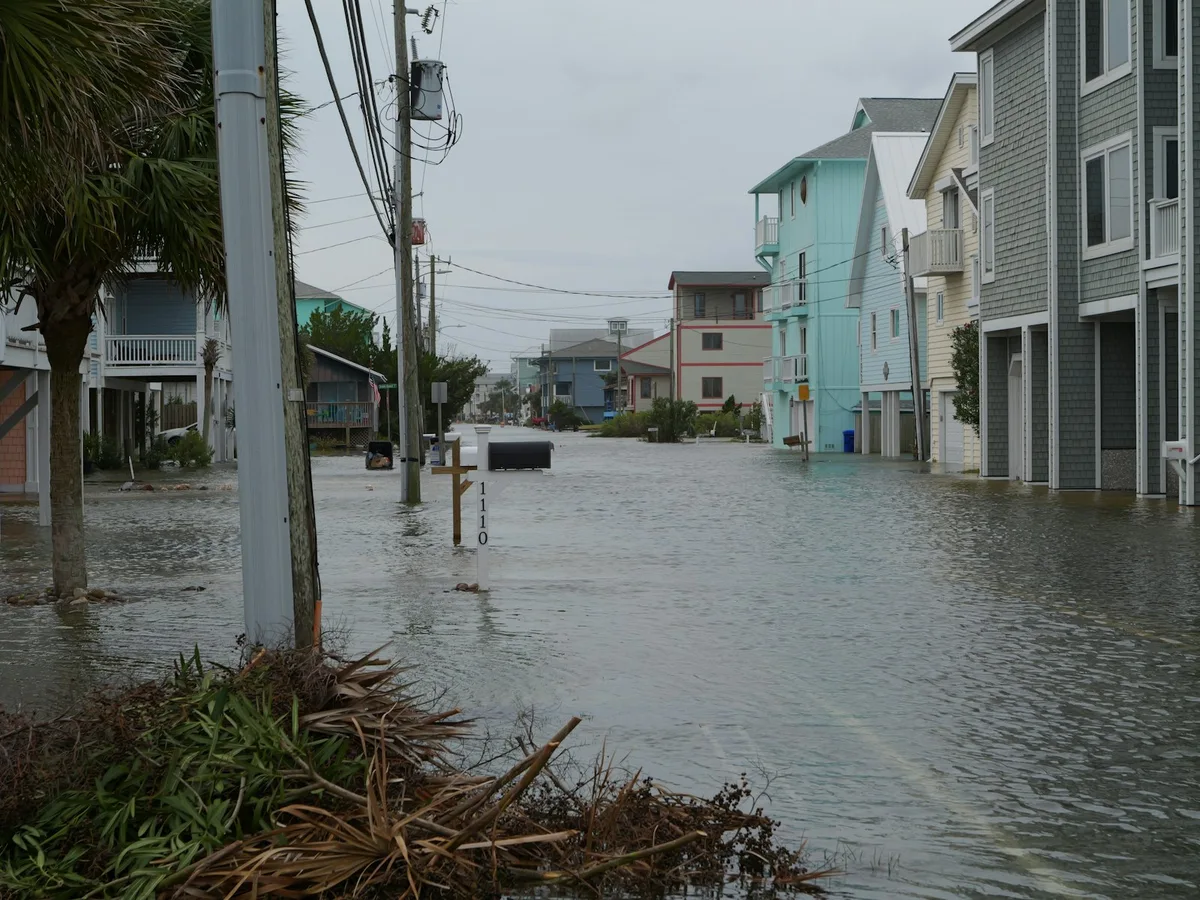
Hurricane Coverage Myths That Can Cost US Homeowners Thousands
Hurricane season exposes dangerous homeowners insurance myths. Discover 6 common misconceptions about flood and wind coverage that could cost you thousands.

Understanding Hurricane Coverage Gaps in the US: What Farmers Insurance Highlights
Farmers Insurance reveals critical hurricane coverage gaps affecting US homeowners and businesses. Learn what standard policies miss and how to close protection holes.
Is There a $1,000 Hurricane Tax for Florida Homeowners in the US?
Fact-checking claims about a $1,000 hurricane tax on Florida homeowners insurance. Learn what the proposal actually says and how it affects you.
