Understanding the Flood Insurance Affordability Crisis in Australia
Examining why flood insurance remains unaffordable for many Australian homeowners nearly two years after devastating floods, and what options exist for those facing coverage gaps.
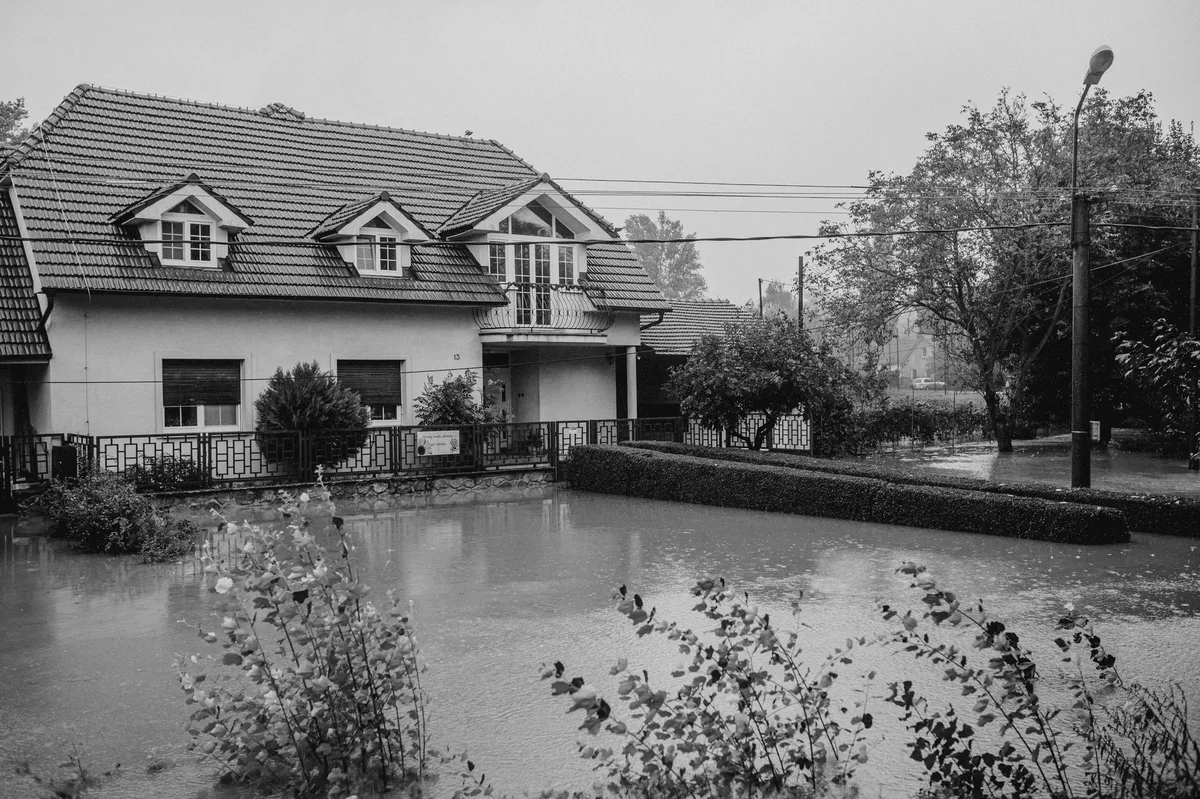
Pexels - Helena Jankovičová Kováčová · original
In this article
Key Takeaway
Nearly two years after catastrophic flooding events across Queensland and New South Wales, many Australian homeowners still cannot afford flood insurance, with some facing premium increases of 200 to 400 per cent or outright coverage refusals. Insurers have reassessed flood risk following the 2022 disasters, leading to dramatically higher premiums in high-risk areas, leaving thousands of properties effectively uninsurable through standard home insurance policies.
The Flood Insurance Affordability Crisis
The devastating floods that swept through southeast Queensland and northern New South Wales in early 2022 marked a turning point in the Australian home insurance market. Communities in Lismore, Brisbane, the Tweed Valley, and surrounding regions experienced catastrophic flooding that not only destroyed homes and displaced families but fundamentally altered how insurers price flood risk.
According to the Insurance Council of Australia, the 2022 floods resulted in over A$6 billion in insured losses, making them among the costliest natural disasters in Australian history. In the aftermath, insurers conducted comprehensive risk reassessments, and many homeowners who could previously afford standard home and contents insurance now face premiums they simply cannot pay, or worse, find themselves unable to secure any flood cover at all.
Why Flood Insurance Has Become Unaffordable
Flood insurance affordability hinges on how insurers calculate risk and price premiums. As covered in foundational insurance texts such as Principles of Finance, insurers pool risk across policyholders, but when catastrophic events demonstrate that previous risk models underestimated flood exposure, premiums must adjust to reflect the true cost of potential claims.
Several mechanisms drive the affordability crisis:
Risk Reassessment and Modelling: Following the 2022 floods, insurers updated their flood risk models using new data about water flow, rainfall intensity, and infrastructure vulnerability. Properties previously classified as moderate risk were reclassified as high risk, triggering premium increases of 200 per cent or more in some postcodes.
Insurer Withdrawal from High-Risk Areas: Some insurers have withdrawn from offering new policies in certain flood-prone areas entirely, reducing competition and leaving remaining insurers to price for elevated risk without competitive pressure. This consolidation pushes premiums higher for those who can still find cover.
Reinsurance Costs: Australian insurers purchase reinsurance (insurance for insurers) on the global market. After major flood events, reinsurance costs rise substantially, and these increases flow directly to consumer premiums. Global reinsurers now view Australian flood risk more cautiously, demanding higher prices for cover.
Climate Risk and Future Projections: Insurers increasingly factor climate change projections into pricing models. Areas facing heightened future flood risk due to changing rainfall patterns, sea-level rise, and extreme weather events see premiums rise not just for past losses but for anticipated future claims.
The Impact on Australian Homeowners
The affordability crisis creates a cascade of problems for homeowners in flood-affected regions. Many face a choice between paying premiums that consume a substantial portion of household income or going without flood cover, effectively self-insuring against future disasters they cannot afford to rebuild from.
For those rebuilding after the 2022 floods, unaffordable insurance creates a cruel dilemma. Mortgage lenders typically require home insurance as a loan condition, yet premiums can exceed A$10,000 to A$20,000 annually for properties in high-risk zones, compared to A$1,500 to A$2,500 before the floods. Some homeowners have been forced to accept policies with extremely high excesses (A$25,000 or more) to reduce premiums, which still leaves them financially exposed.
Underinsurance becomes another concern. Homeowners who cannot afford comprehensive home insurance may opt for building-only cover or exclude flood from their policy through a lower-cost option, but this leaves contents, temporary accommodation costs, and other flood-related losses uncovered.
Read also: Weighing the Risks of Flood Insurance as Cyclone Season Nears in Australia
The Australian Financial Complaints Authority has reported increases in disputes over flood cover, including complaints about premium affordability, coverage denials, and inadequate disclosure of flood exclusions at the time of purchase.
Available Options and Government Response
While the crisis is severe, some options exist for affected homeowners:
Shop Around and Compare: Premiums vary significantly between insurers. Obtaining quotes from multiple providers, including those that specialise in high-risk properties, can sometimes identify more affordable options. ASIC’s MoneySmart service provides guidance on comparing home insurance policies.
Higher Excess for Lower Premiums: Accepting a higher excess reduces premiums, though homeowners must ensure they can afford to pay that excess if a claim arises.
Government and Community Mitigation Programs: Some local councils and state governments offer flood mitigation grants to elevate homes, install flood barriers, or improve drainage. These improvements can sometimes reduce premiums by lowering the property’s assessed flood risk.
Strata Levies and Flood Mitigation: In multi-unit developments, collective flood mitigation funded through strata levies can improve risk profiles for entire buildings.
The federal government has explored options including reinsurance pools similar to the cyclone reinsurance pool introduced for northern Australia, but as of late 2026, no equivalent flood scheme has been implemented nationally.
Conclusion
The flood insurance affordability crisis facing many Australian homeowners nearly two years after the 2022 disasters reflects a fundamental repricing of flood risk. While insurers argue that premiums must reflect true risk to remain sustainable, the result leaves thousands of families unable to protect their most valuable asset. Homeowners in flood-prone areas should review their Product Disclosure Statement (PDS) carefully, compare multiple insurers, explore mitigation options, and consider consulting a licensed insurance adviser to navigate their specific circumstances.
General Advice Warning: This article provides general information only and does not take into account your individual objectives, financial situation, or needs. Before making decisions about flood insurance, consider whether the information is appropriate for you, read the relevant Product Disclosure Statement (PDS) and Target Market Determination (TMD), and consider obtaining personal advice from a licensed insurance adviser. Coverage, premiums, and availability vary significantly by insurer, location, and individual property risk. Verify current policy terms and pricing with insurers directly. For disputes about insurance coverage or claims, contact the Australian Financial Complaints Authority (AFCA). Insurance is a Your Money or Your Life topic; accuracy and suitability for your circumstances are essential.
Sources
- Consumer Resources - Flood Insurance Information (accessed )
- Insurance Guide (accessed )
- Make a Complaint (accessed )
- Principles of Finance (accessed )
Related articles
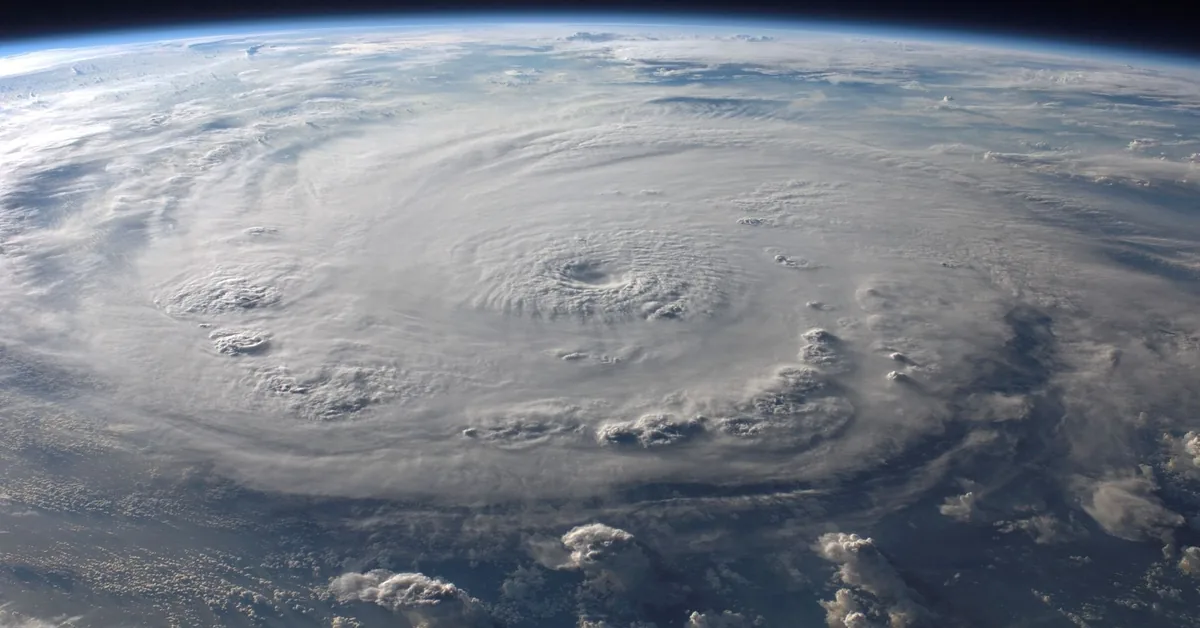
Weighing the Risks of Flood Insurance as Cyclone Season Nears in Australia
Australian homeowners in cyclone and flood-prone regions weigh flood insurance costs against rising natural disaster risks. What to consider.
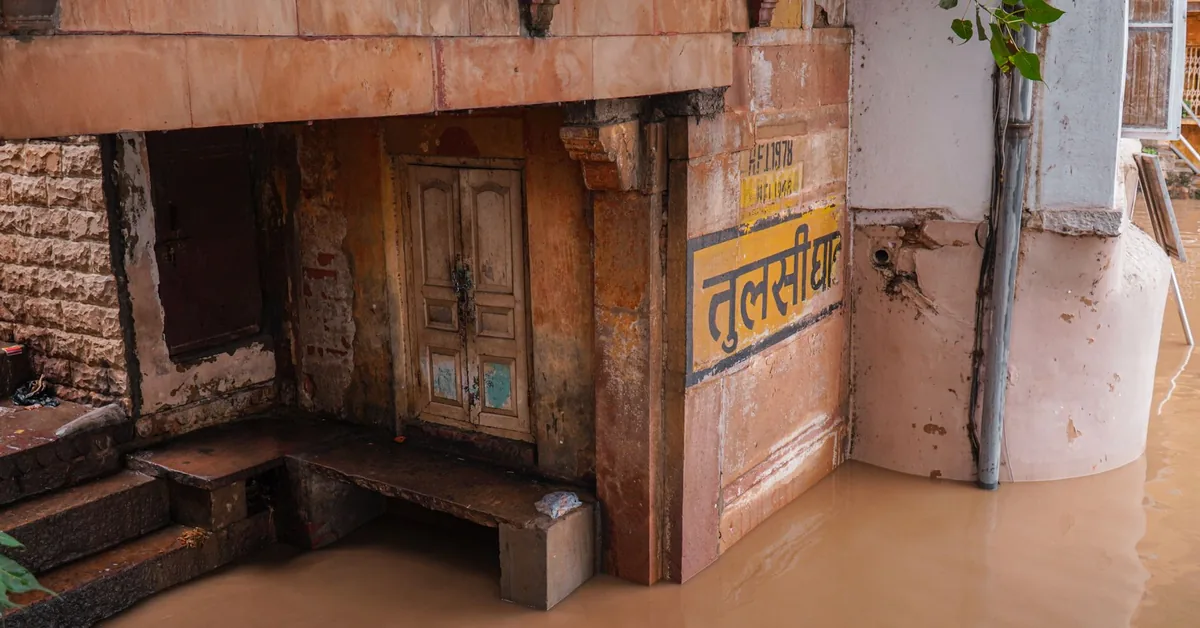
Is Flood Insurance Worth Having in Australia?
Flood insurance protects against costly water damage in Australia. Learn what it covers, how much it costs, and whether it's worth having for your property.
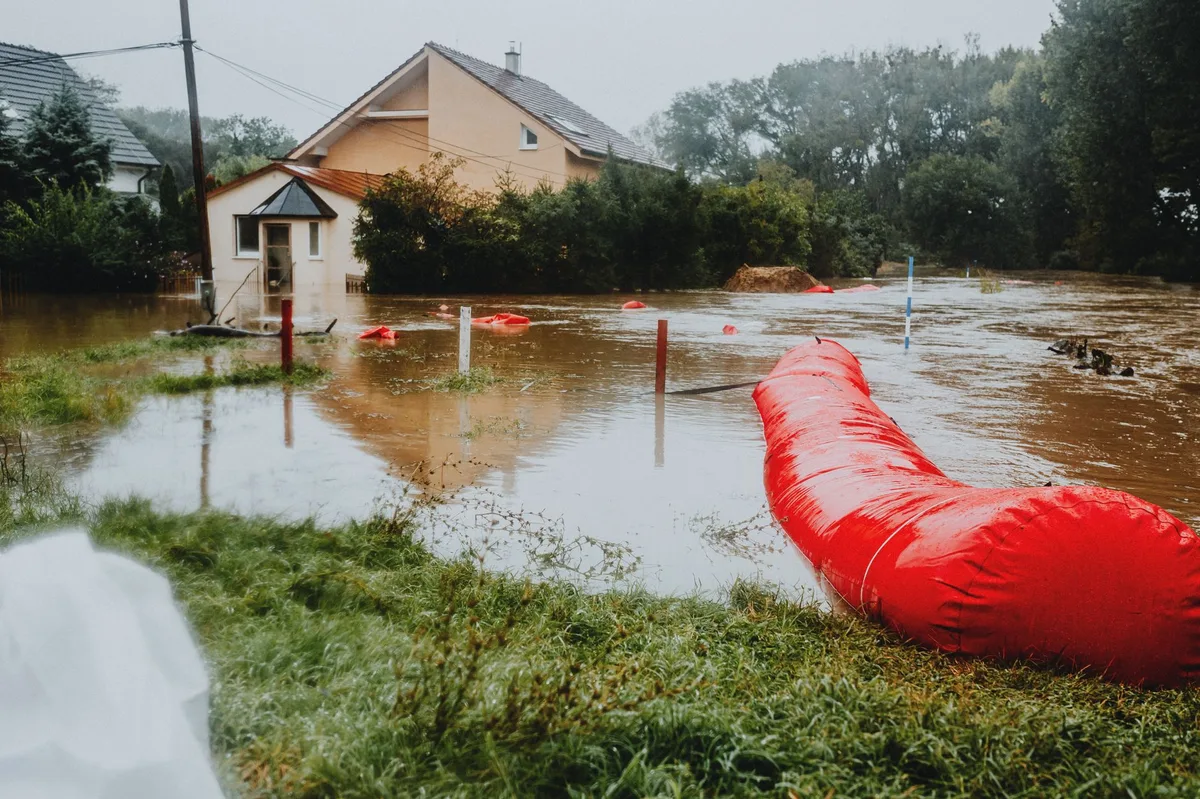
Flood and Cyclone Insurance Coverage Gaps in Australia
Discover common flood and cyclone insurance coverage gaps in Australia and learn how to protect your home from devastating out-of-pocket costs.
