Winter Home Damage in Canada: What Your Policy Covers and What It Does Not
Understanding which types of winter damage are covered by your home insurance policy and which you'll pay for out of pocket can save you thousands in unexpected repair costs.
Auto, life, and home insurance guidance for Canadian households.

Understanding which types of winter damage are covered by your home insurance policy and which you'll pay for out of pocket can save you thousands in unexpected repair costs.


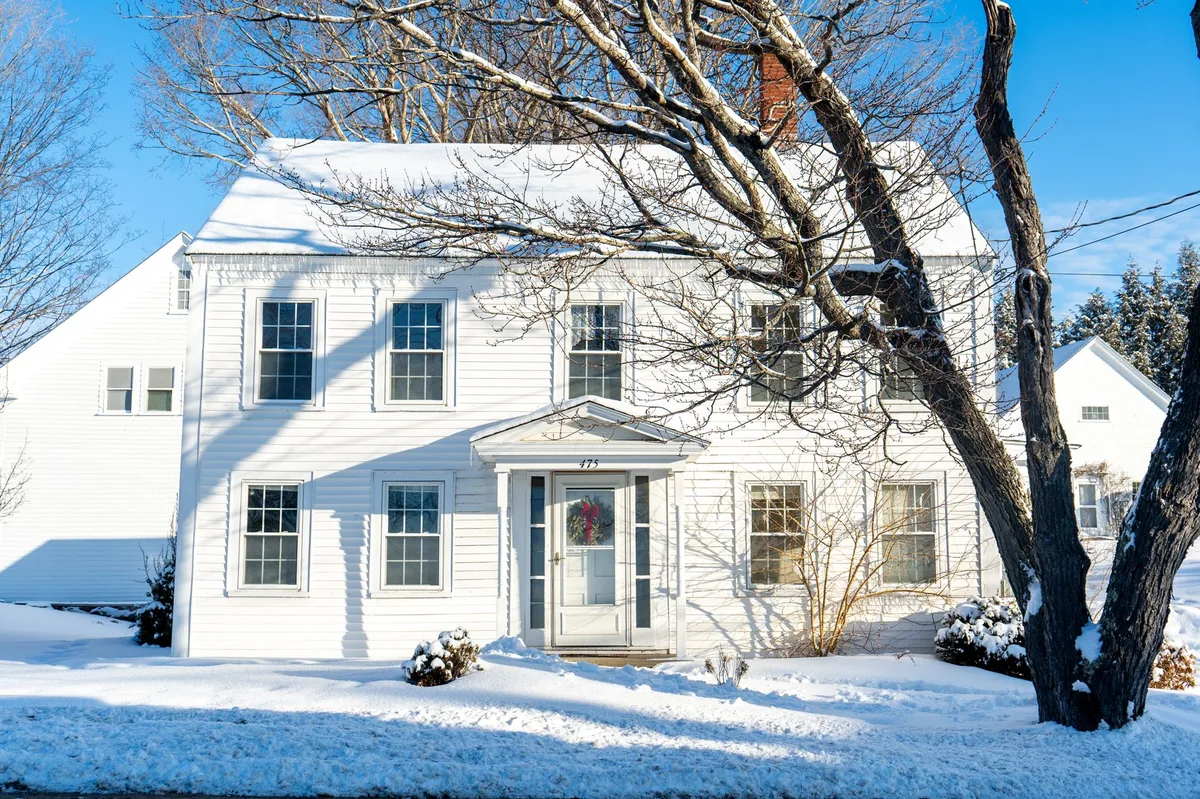
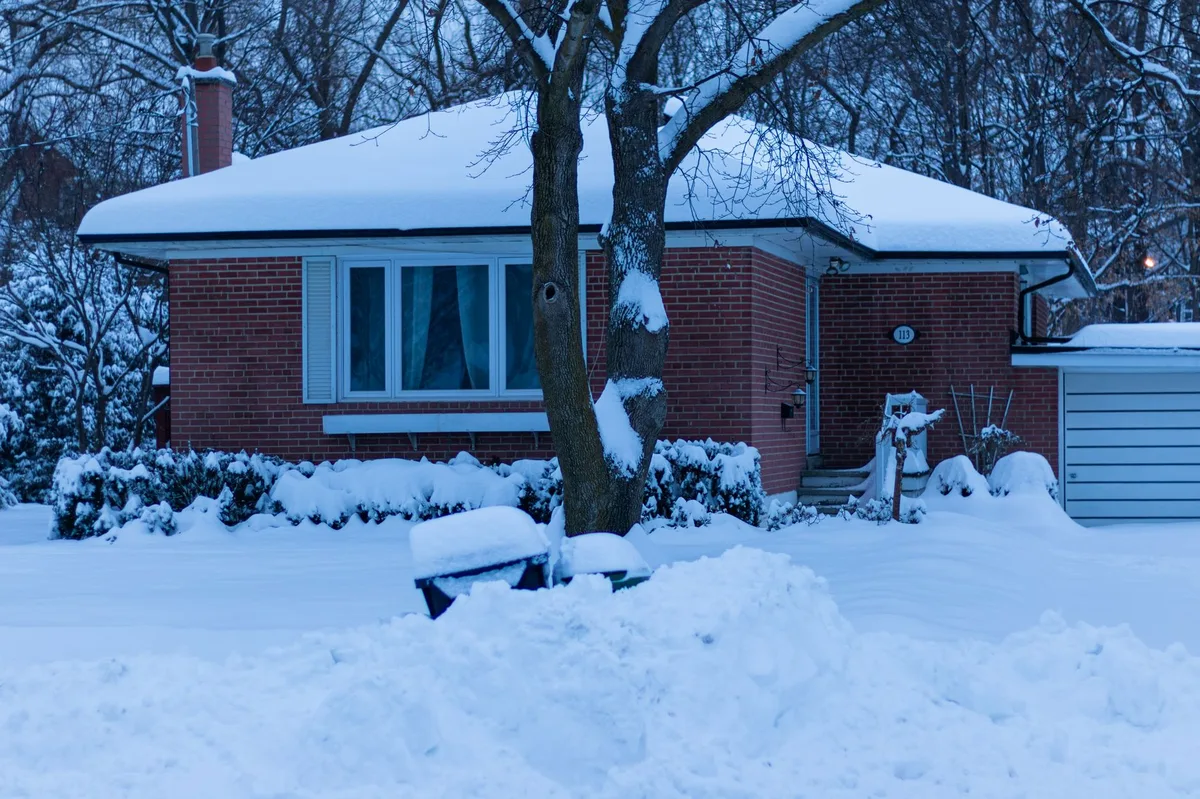
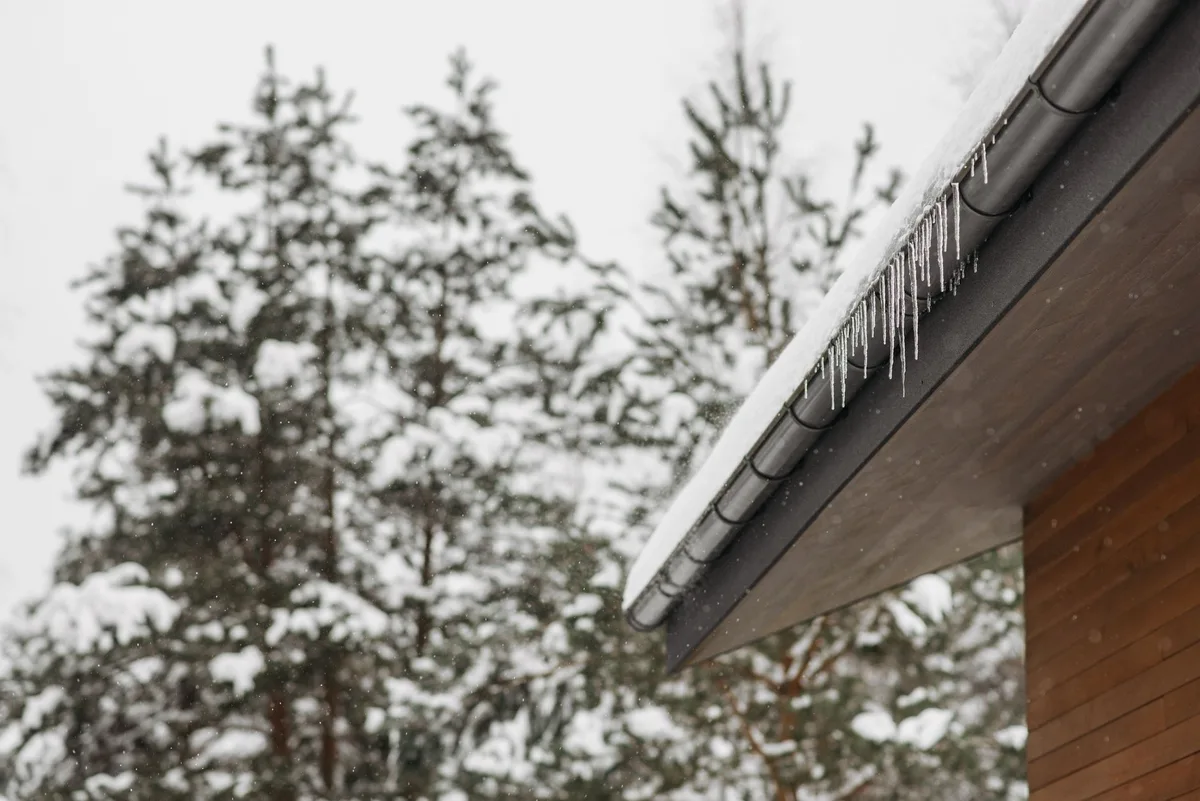
Extreme cold can damage your home in ways you might not expect. Understanding what your home insurance policy covers during harsh Canadian winters helps you protect your property and avoid costly surprises.

Compare the three core components of Canadian home insurance to understand what each protects and how they work together to cover your property and financial risk.

Canadian homeowners face a double squeeze in 2026 as mortgage renewals coincide with rising home insurance premiums, creating new affordability pressures across provinces.

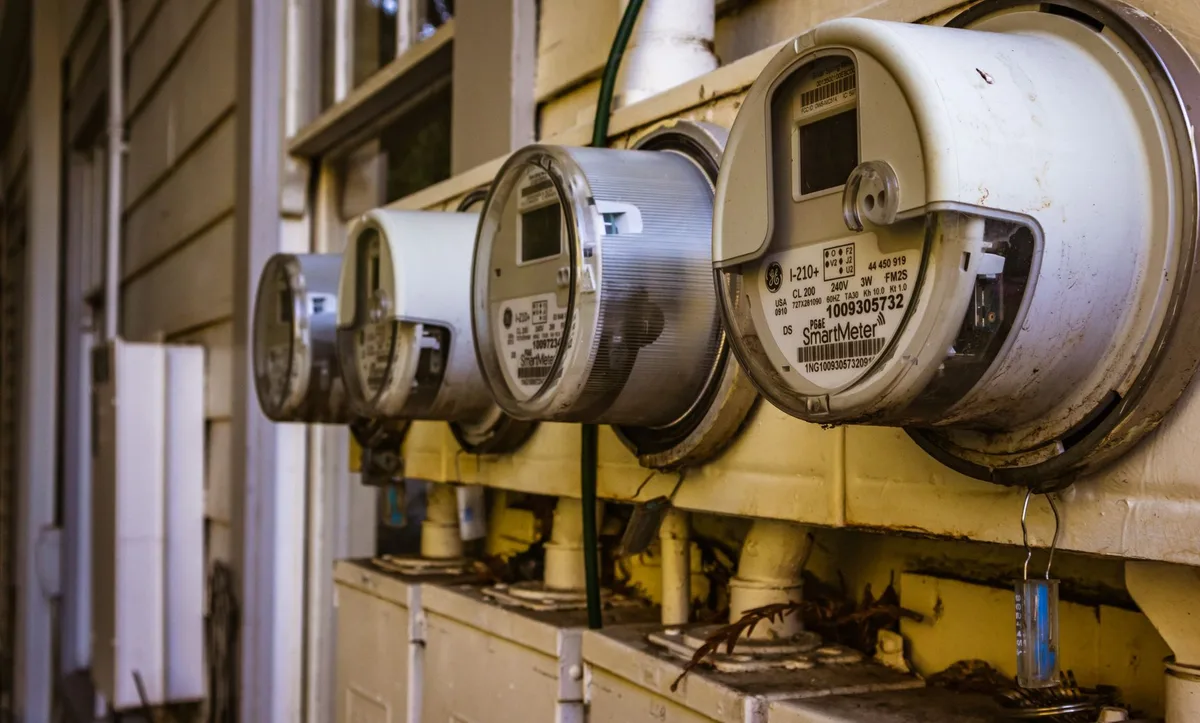
Power outages can cause thousands in damage, from spoiled food to flooded basements. Learn what your Ontario home insurance policy covers and what it doesn't when the lights go out.

Statistics Canada reports home insurance premiums jumped 45% between 2017 and 2023, driven primarily by extreme weather events and rising climate-related claims.

Car insurance in Canada is provincially regulated, with coverage rules, mandatory minimums, and system structures varying significantly from one province to the next.

Auto insurance claims generally don't directly impact your credit score or car refinancing eligibility with a credit union, but premium increases from claims can indirectly affect your debt-to-income ratio and loan qualification.

Ontario drivers are seeing selective auto insurance rate cuts approved by provincial regulators. Discover who qualifies and how rate filings affect your premium.

Significant changes to auto insurance accident benefits came into effect across several Canadian provinces on July 1, 2026, affecting coverage limits, income replacement, and medical benefits for drivers.

Ontario's auto insurance landscape is evolving with rate reforms, enhanced digital claims, expanded coverage options, and stronger consumer protections aimed at improving affordability and transparency for drivers.

Ontario is implementing new auto insurance regulations that will affect coverage requirements, premium calculations, and claims processes for drivers across the province.

A practical year-end checklist to ensure your life insurance beneficiary designations remain current, accurate, and aligned with your estate plan across all your policies.

A $35 quarterly premium for life insurance is unusually low and may be a small term policy or group coverage, worth investigating to confirm the coverage amount and beneficiary.

Learn how to assess your coverage needs, compare term life policies, and secure affordable protection for your family across Canadian provinces.

Canadian insurers paid out $157 billion in life and health insurance benefits, marking a 10% increase that reflects demographic shifts, inflation, and expanded coverage across the country.

Supplemental life insurance through your workplace can offer affordable coverage beyond basic group benefits, but portability and coverage limits require careful consideration.

Canadian life and health insurers paid out $157 billion in benefits in 2025, covering death benefits, disability payments, critical illness claims, and supplemental health coverage for millions of Canadians.

Compare supplementary health plans with deductibles and Health Spending Accounts against no-deductible coverage to find the right fit for your healthcare needs and budget.

Comparing Health Spending Accounts, traditional coverage, and flexible benefits to find the right employer health plan for your needs.

Most employer group benefit plans reset on December 31. Here's your action checklist to review balances, use unused coverage, and avoid losing valuable health, dental, and wellness benefits before year-end.

A high-deductible health plan with a $10,000 deductible and $15,000 out-of-pocket maximum can save you money on premiums but exposes you to significant upfront costs. Here's how to decide if it's the right choice for your situation.

When insurance doesn't cover everything, learn how to use your Health Spending Account and other options to manage unexpected medical costs in Canada.

Provincial health plans leave significant gaps in coverage for retirees. Understanding supplemental health insurance options helps bridge the divide between what government plans cover and what you'll actually pay.

A practical checklist to review your auto, home, life, and health insurance policies and close coverage gaps before year-end.

A comprehensive checklist for reviewing and updating your insurance coverage before the new year to ensure you stay protected and avoid gaps.

Recent updates to Canada's U.S. travel advisory affect insurance coverage for Canadian snowbirds. Learn what changed and how to protect your winter travel plans.

Ontario homeowners and drivers face steep premium increases driven by claims inflation, severe weather, and rising repair costs.

Young drivers, urban residents, and certain provinces face dramatically higher insurance rate increases. Find out which groups are hit hardest and why premiums are climbing faster for some Canadians.

Winter brings higher insurance claims. Learn why reviewing your deductible before the season starts can save you money and ensure you have the right coverage when you need it.

Learn how overland flood and sewer backup endorsements protect your home from water damage in Canada, what they cover, and how to add them to your policy.

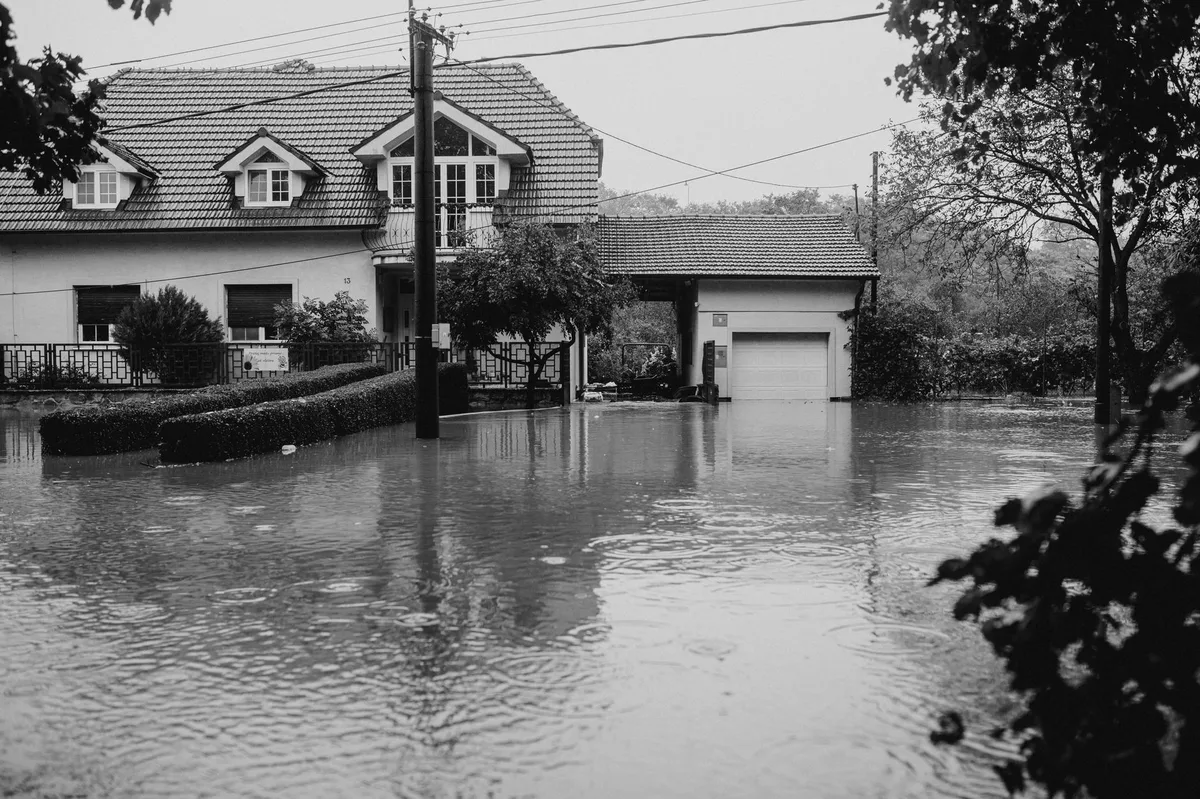
Most Canadian home insurance policies exclude overland flooding. Learn what flood insurance covers, who needs it, and how to assess your property's risk.

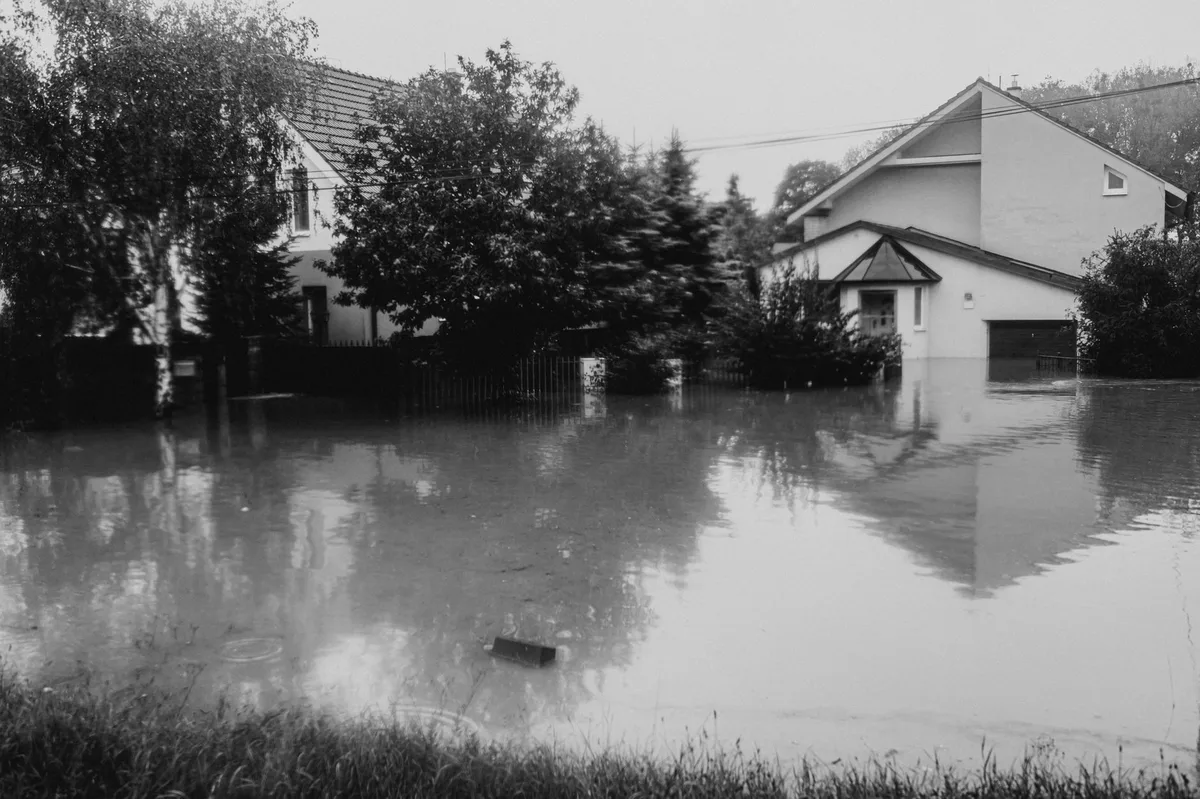
Unusual flooding events in unexpected places highlight critical coverage gaps. Learn how overland water insurance works in Canada and what your home policy actually covers.

Learn what your home insurance policy covers for flood damage and what critical gaps you need to fill.

Standard home policies exclude flood and sewer backup. Here's what you need to know about adding this optional coverage in Canada.

Canada does not have a U.S.-style federal flood insurance policy for homeowners. Most Canadians need to confirm whether overland water, sewer backup, and related flood damage are covered by their own home insurance policy.

An in-depth review of Allianz Travel Insurance for Canadian travelers, examining coverage options, costs, and whether it delivers value for your trip protection needs.

Essential checklist for Canadians buying travel insurance for international trips, covering medical coverage, exclusions, and provincial health insurance requirements.

Most Canadian travel insurance policies cover flight delays and cancellations, but coverage depends on the cause, policy type, and specific conditions you meet.

Snowbird travel insurance provides essential medical and emergency coverage for Canadians spending extended winter periods in warmer climates, filling critical gaps left by provincial health plans.
Learn what your provincial health plan covers when you travel and what gaps travel insurance fills for Canadians.

Snowbirds need private travel insurance because provincial health plans offer limited or no coverage outside Canada. Learn what to look for in extended-stay travel insurance.

Tenant insurance protects renters from financial loss when personal belongings are damaged or stolen, provides liability coverage, and covers additional living expenses if your rental becomes uninhabitable.

Tenant insurance protects your belongings, covers liability claims, and pays for temporary housing after a loss—all for as little as $15 to $30 per month in most Canadian cities.

Tenant insurance is not legally required in Canada, but many landlords now include it as a lease condition.

Nova Scotia homeowners facing wildfire damage can file claims under standard home insurance policies. Learn what's covered, what documentation you need, and how to navigate the claims process after a wildfire.

Learn your rights when an insurance claim is denied or underpaid in Canada, including the formal dispute process through your insurer, provincial regulator, and ombudsman services.

A practical checklist to understand how filing an insurance claim affects your premium when your policy renews, including fault rules, accident forgiveness, and provincial differences.

Learn what business insurance coverage small businesses and self-employed professionals need in Canada, from liability to property protection.

E&O insurance covers professional mistakes and advice, while CGL protects against bodily injury and property damage. Most Canadian freelancers need one or both depending on their work.

Pet insurance can cover thousands in veterinary bills, but premiums vary widely. Understanding when coverage pays off helps Canadian pet owners make the right choice for their budget and their animal's health needs.

Understand what drives pet insurance costs in Canada and use our calculator to estimate your premium based on your pet's age, breed, location, and coverage choices.

Compare group disability coverage through your employer with individual disability insurance policies to understand which option protects your income better.

Compare workers' compensation coverage across Canadian provinces, understand which provincial board covers you, and learn when mandatory workplace injury insurance applies to your employment.

Calculate the landlord insurance coverage you need for your rental property in Canada with our interactive tool that factors in property damage, liability, and loss of rent protection.

Your condo corporation's master policy covers the building structure, but not your personal belongings, improvements, or liability. Here's what coverage you need as a Canadian condo owner.

Professional liability insurance protects Canadian small businesses and self-employed professionals from claims of negligence, errors, or omissions in their professional services.
Get new articles?
Want notifications about new articles and tools? You can unsubscribe anytime, and we store no personal data about you.